Chestnut Hill Home Styles Guide for Finding the Right Fit
June 18, 2026
June 18, 2026
If you picture Chestnut Hill and immediately think of stone houses, you are not wrong. This Northwest Philadelphia neighborhood is known for its historic character, tree-lined setting, and a housing mix that feels distinct from many other parts of the city. If you are trying to decide whether a classic stone home, a twin, a converted carriage house, or a condo fits your lifestyle, this guide will help you understand what to look for and what daily ownership may actually feel like. Let’s dive in.
Chestnut Hill sits at the top of Philadelphia near Wissahickon Valley Park and the Wissahickon and Cresheim creek corridor. It is mostly residential, with a village-like feel that continues to draw buyers who want both character and convenience.
For many buyers, transit access is part of the appeal. SEPTA describes Chestnut Hill as about 25 minutes from Center City and notes service from Chestnut Hill West, Chestnut Hill East, and several bus routes. That combination can make the neighborhood especially attractive if you want rail access without giving up a more residential setting.
Another major part of the area’s identity is its historic fabric. Much of Chestnut Hill falls within the Chestnut Hill Historic District, which includes more than 2,600 buildings dating from 1744 to the present, according to the Chestnut Hill Conservancy.
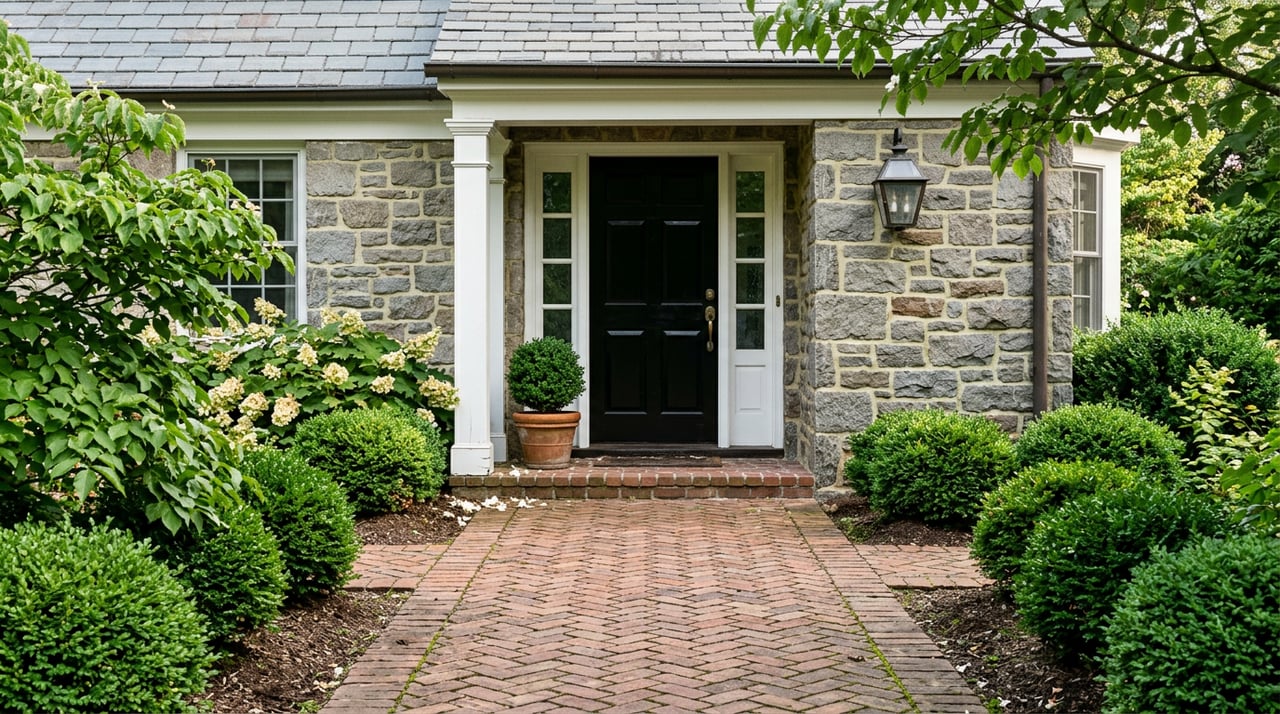
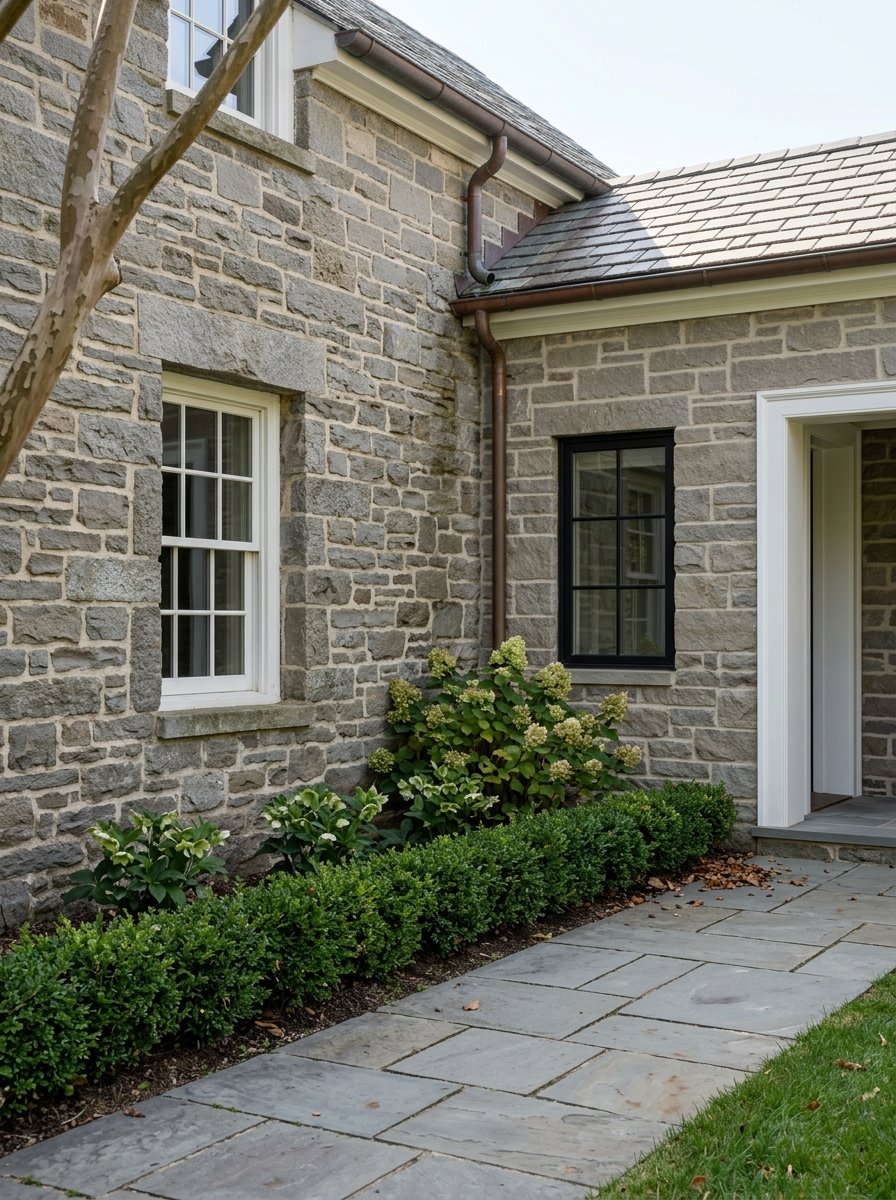
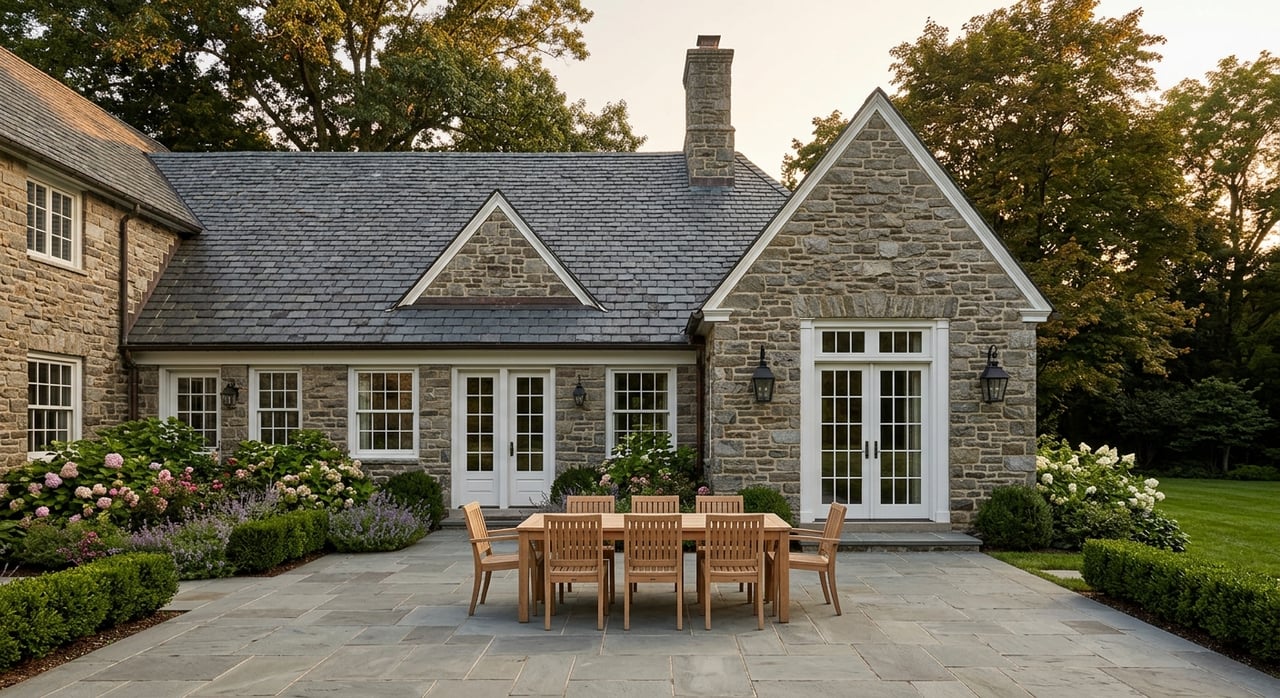
When people talk about Chestnut Hill architecture, stone single-family homes usually come first. Historic inventory records repeatedly describe 2 1/2- and 3-story stone dwellings with porches, dormers, stone lintels and sills, and side-gabled or hipped roofs.
These homes create the signature look many buyers hope to find here. Preservation materials also reference Wissahickon schist, which helps explain why the neighborhood’s stone identity feels so strong and so consistent from block to block.
A stone house can offer timeless curb appeal, but it usually comes with more specialized maintenance. The National Park Service notes that masonry is especially vulnerable at mortar joints and that repointing should be done carefully.
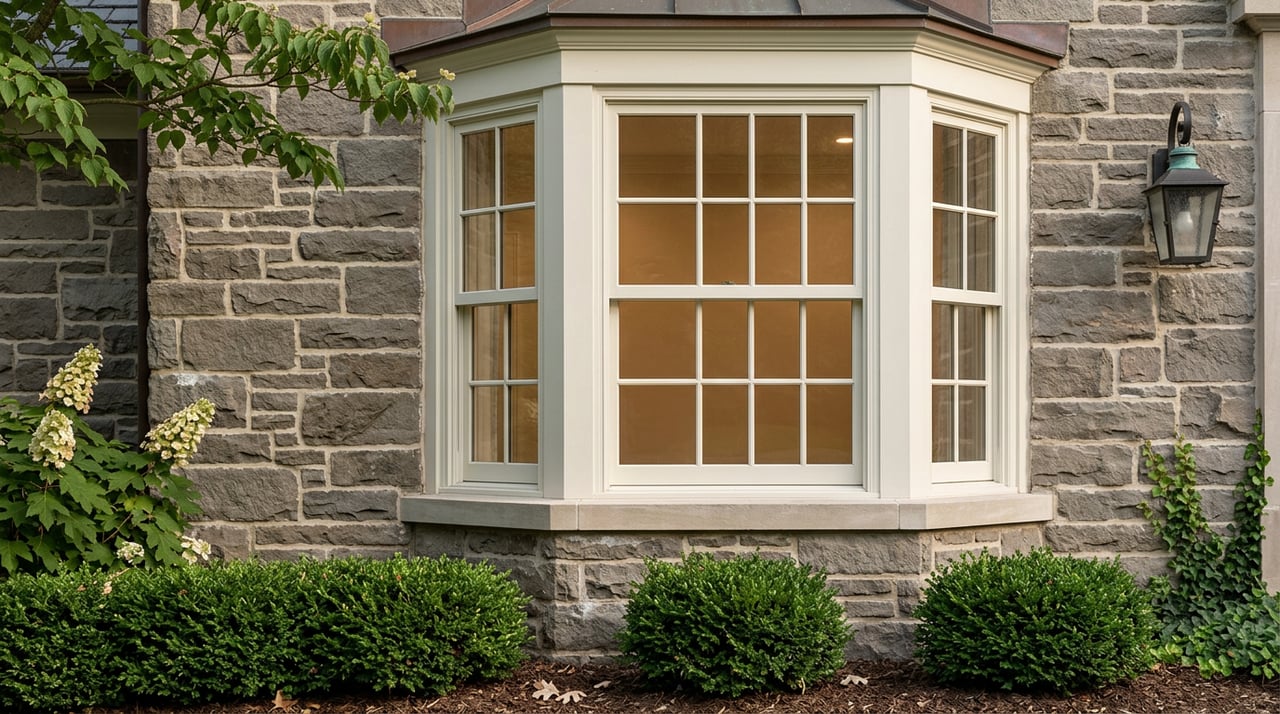
Original wooden windows are another important feature. The same guidance recommends retaining and repairing original windows whenever possible, rather than replacing them without careful consideration.
Roofing also matters. Properly installed slate roofs can last 60 to 125 years or longer, but they still need maintenance and periodic evaluation.
If you love architectural detail and want a home with a strong sense of place, a stone single-family property may feel like the right fit. It can be especially appealing if you are comfortable taking a long view on maintenance and value craftsmanship and original materials.
At the same time, it is smart to go in with open eyes. A larger historic home often means more systems, more exterior surfaces, and more specialized upkeep than a smaller or newer property type.
Twins are another property type buyers see regularly in Chestnut Hill. Historic records describe paired dwellings in several forms, including stone and brick examples with historic design language similar to the area’s larger homes.
For many buyers, a twin offers a practical middle ground. You may still get character, natural light, and a bit more yard feel than you would expect from a tighter urban housing type, while often taking on less exterior responsibility than with a fully detached stone house.
A twin can make sense if you want historic charm in a somewhat more compact format. The layout may feel manageable if you are drawn to Chestnut Hill’s look and location but do not want the full scale of a detached house.
This property type can also appeal if you want a blend of privacy and efficiency. Since each home is paired, the day-to-day experience is often different from both a detached home and a condo.
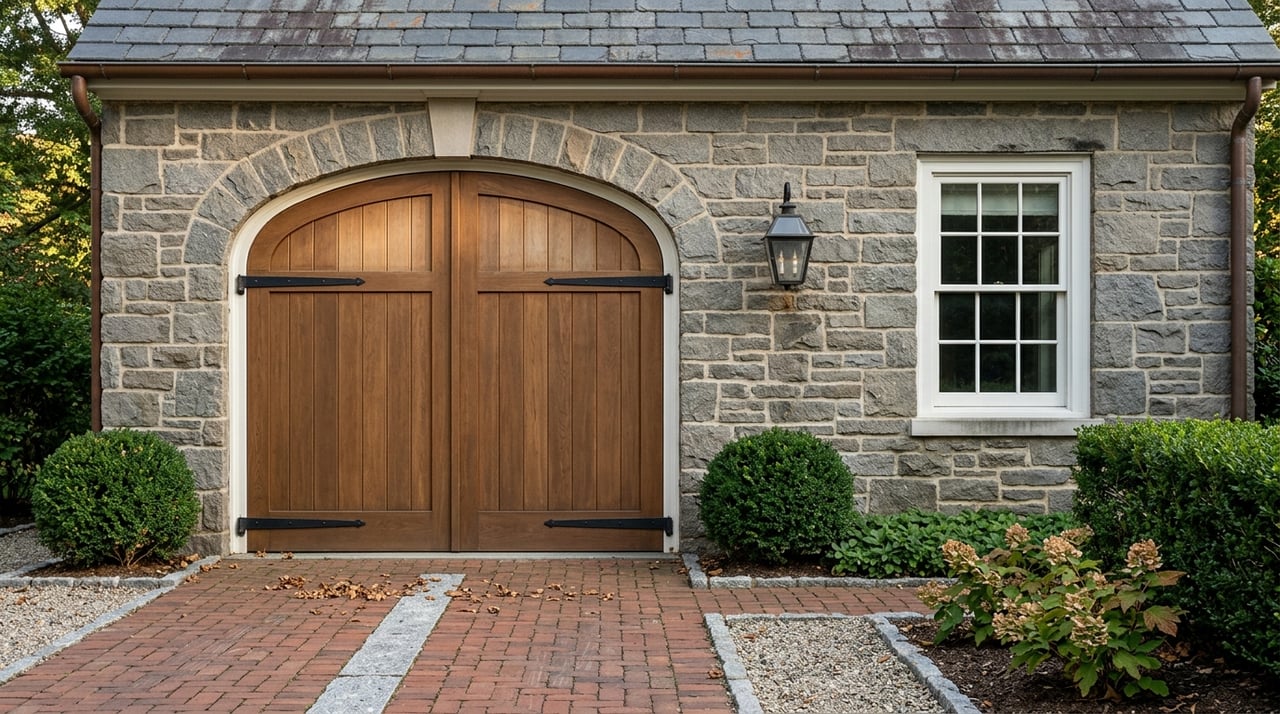
Chestnut Hill also includes former carriage houses, stables, and garages that were later converted into residences. The historic inventory documents multiple examples of outbuildings that became standalone homes over time.
These properties often attract buyers who want something smaller, more unusual, or more design-forward. They can feel tucked away and distinctive, which is part of their charm.
Because these homes began as outbuildings, the layout may not follow the same logic as a traditional house. Floor plans can be more idiosyncratic, and storage, circulation, or room placement may be different from what you expect.
When touring, it is worth paying close attention to insulation, access, storage, and how the conversion handled the structure. Those details can shape whether the home feels easy and comfortable for your daily routine.
A carriage home may work well if you want a one-of-a-kind property and do not mind a few quirks. Buyers who value personality over predictability are often drawn to these homes.
They can also be appealing if you want the feel of Chestnut Hill architecture in a smaller footprint. Still, the details matter, so a careful property review is especially important here.
Condos in Chestnut Hill are typically low-rise and small in scale rather than tower-style buildings. The historic inventory includes examples such as a 3 1/2-story, six-family condominium building at Rex Court, along with other historic apartment buildings that reflect the neighborhood’s lower-rise pattern.
For some buyers, that smaller scale is a major advantage. You may still get architectural charm and a strong location, but with less direct responsibility for exterior maintenance than you would have with a detached house.
If you are considering a condo, look beyond the unit itself. Dues, reserve funding, shared-wall noise, parking, pet rules, and renovation restrictions can all shape the ownership experience.
In a neighborhood with older buildings, it is also helpful to understand how the association handles long-term upkeep. A condo can simplify some responsibilities, but it also means living within a shared framework.
Condos can be a strong fit if you want a lock-and-leave lifestyle. That can be especially helpful if you commute, travel frequently, or are moving from a larger home and want fewer maintenance demands.
Chestnut Hill’s transit options add to that appeal. With access to two rail lines and several bus routes, some buyers find that a condo or smaller residence offers the right balance of convenience and neighborhood character.
In general, maintenance demands tend to rise with house size and historic fabric. Stone single-family homes usually require the most specialized care, twins often fall in the middle, carriage homes can vary widely depending on the conversion, and condos usually shift more exterior responsibility to the association.
Across these property types, a few themes come up again and again in Chestnut Hill. Masonry condition, roof condition, and original windows are some of the most important items to review.
That does not mean every older home is difficult to own. It means the best buying decisions usually come from matching the property type to your lifestyle, time, and comfort level with ongoing upkeep.
If you are serious about a specific property, confirm whether it is on the Philadelphia Register of Historic Places or otherwise subject to historic review. The City of Philadelphia says designated properties require approval before work is done.
That step matters if you are thinking about renovations, exterior repairs, or future updates. The Chestnut Hill Historic District itself is listed on the National Register, and the Chestnut Hill Conservancy notes that National Register listing is honorary and does not by itself restrict private property, but local designation can affect what requires approval.
In short, buyers should not assume all historic status works the same way. It is worth verifying the exact designation tied to the address you are considering.
Before or during a showing, it helps to ask focused questions based on the home style.
If you want to research a home’s past, the Chestnut Hill Conservancy can also be a helpful local resource. Its archives contain more than 66,000 items, and homes built in the mid-1980s or earlier may already appear in its National Register materials or archives.
Chestnut Hill offers more variety than many buyers expect. Whether you are drawn to a substantial stone house, a well-scaled twin, a tucked-away carriage home, or a low-rise condo, the right choice usually comes down to how you want to live day to day. If you want thoughtful guidance as you compare character, maintenance, and long-term fit, Megan van Arkel can help you navigate your next move with clarity and confidence.
Stay up to date on the latest real estate trends.
The Megan Van Arkel Team is dedicated to helping you find your dream home and assisting with any selling needs you may have. Contact them today to start your home-searching journey!