Chester County New Construction vs Historic Homes
July 16, 2026
July 16, 2026
If you are house hunting in Chester County, one question can shape your entire search: do you want the ease of new construction or the character of a historic farmhouse? In a place where preserved land, older homes, and newer luxury builds all exist side by side, the right answer depends less on trend and more on how you want to live. This guide will help you compare both options through the lens of Chester County’s market, land patterns, upkeep, and long-term fit. Let’s dive in.
Chester County is not a market where one home style clearly wins. The county has more than 151,000 acres of permanently protected land, which is just over 31% of the county, and more than 590 preserved farms totaling over 45,000 acres. Historic and agricultural landscapes are a major part of the county’s identity.
That local context matters when you compare a new build with a farmhouse. You are not just choosing between old and new finishes. You are often choosing between two very different living experiences, lot sizes, and ownership expectations.
The county’s housing stock also supports both paths. About 12.8% of housing units were built in 1939 or earlier, while about 9.4% were built in 2010 or later. In other words, Chester County gives you meaningful inventory on both sides of the decision.
In Chester County, this is usually not a budget-only decision. The county’s 2023 Housing Report showed a median home sale price of $492,000 countywide, while new-home sales had a median price of $596,938. That gap suggests buyers are paying a premium for turnkey, newly built product.
At the same time, historic farmhouses often compete in a different lane. Their value may come from acreage, setting, original details, and a more limited supply. When you compare the two, it helps to think beyond sticker price and focus on what you are getting for that number.
New construction often appeals to buyers who want simplicity. You are usually getting a more predictable layout, newer systems, and less immediate repair uncertainty. If your goal is to move in and spend your first year enjoying the home instead of managing projects, that can be a major advantage.
Energy performance is another reason many buyers lean toward new construction. ENERGY STAR says certified new homes are at least 15% more efficient than homes built to current code and typically 20% to 30% more efficient than standard new homes. That can translate to better comfort, lower operating costs, and improved indoor air quality.
For many relocating buyers and busy households, timeline matters too. A newer home can make the transition feel cleaner and easier, especially if you are balancing work, a move, or the sale of another property.
New construction is not automatically the better fit for every buyer. In 19382, current newer-house listings show lots around 0.24, 0.41, and 1 acre. That means you may be trading acreage and a more organic setting for efficiency and convenience.
You may also find that newer homes feel more standardized from one property to the next. Finishes can be polished and practical, but they may not deliver the same architectural individuality or landscape presence that buyers often associate with older Chester County homes.
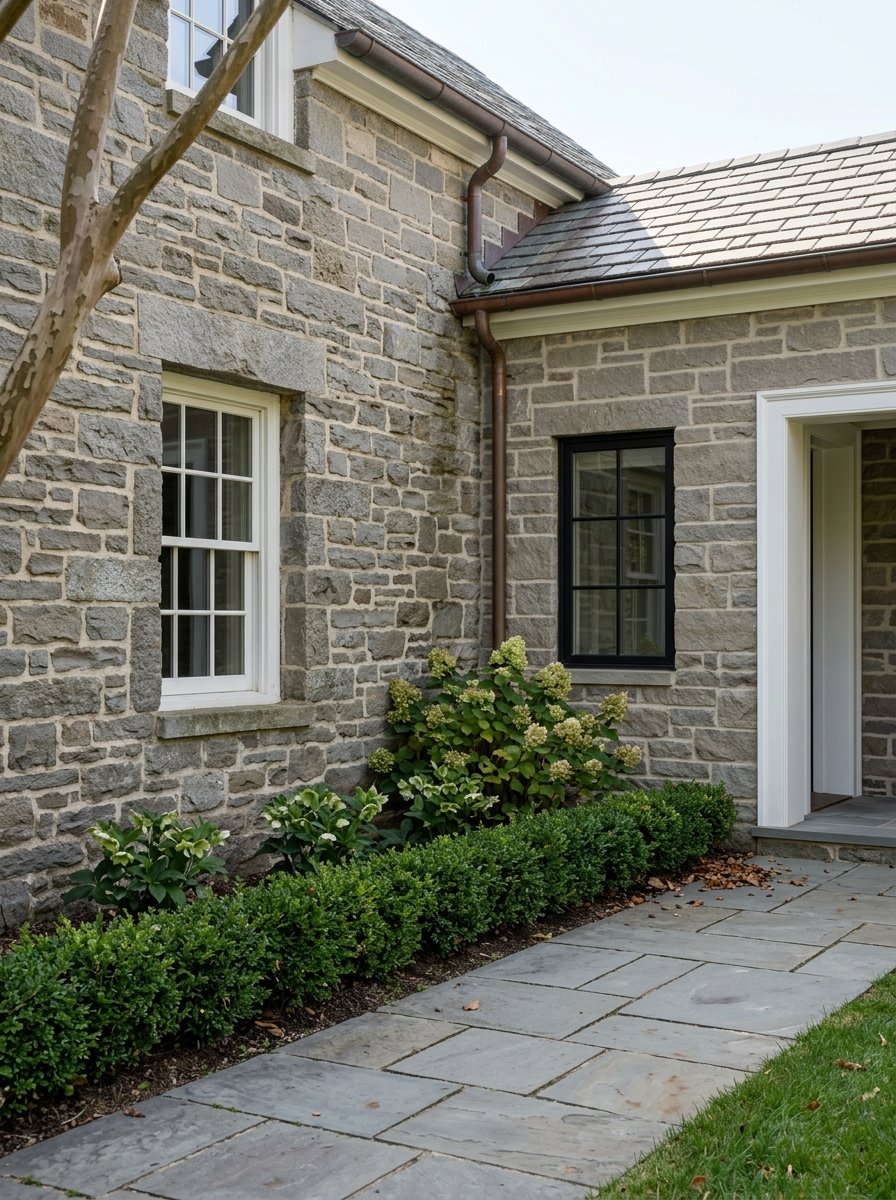
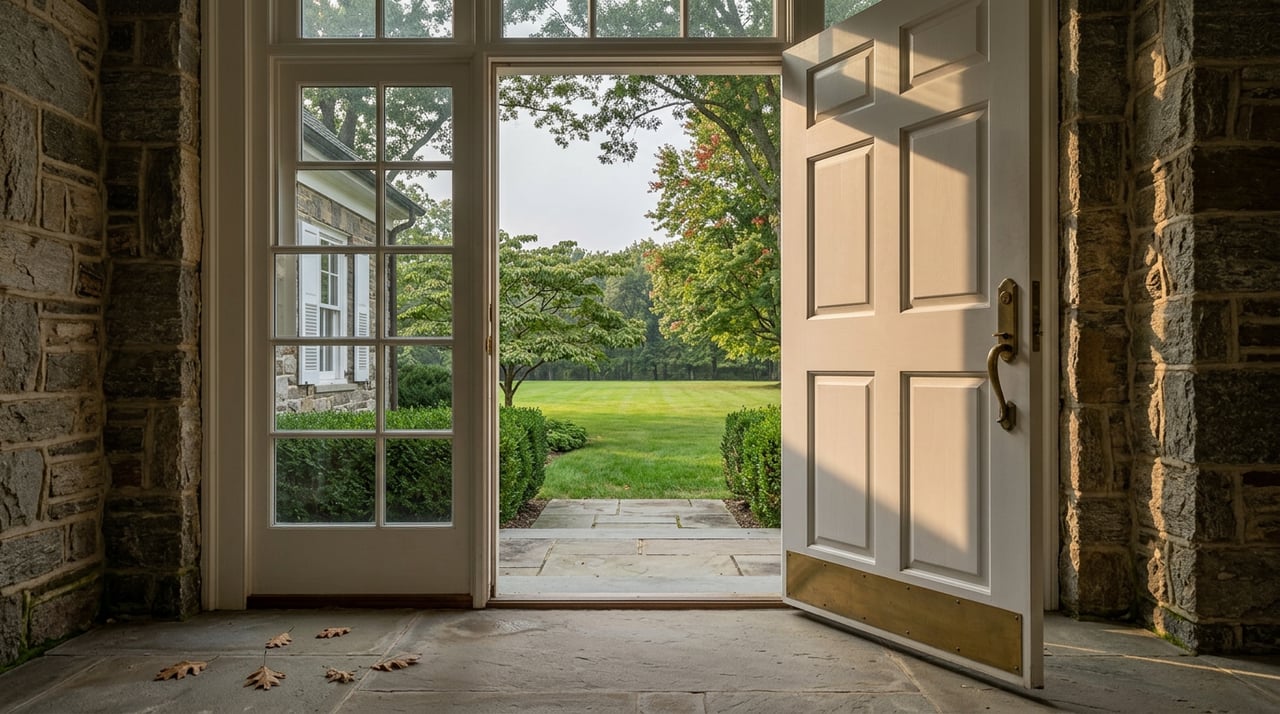
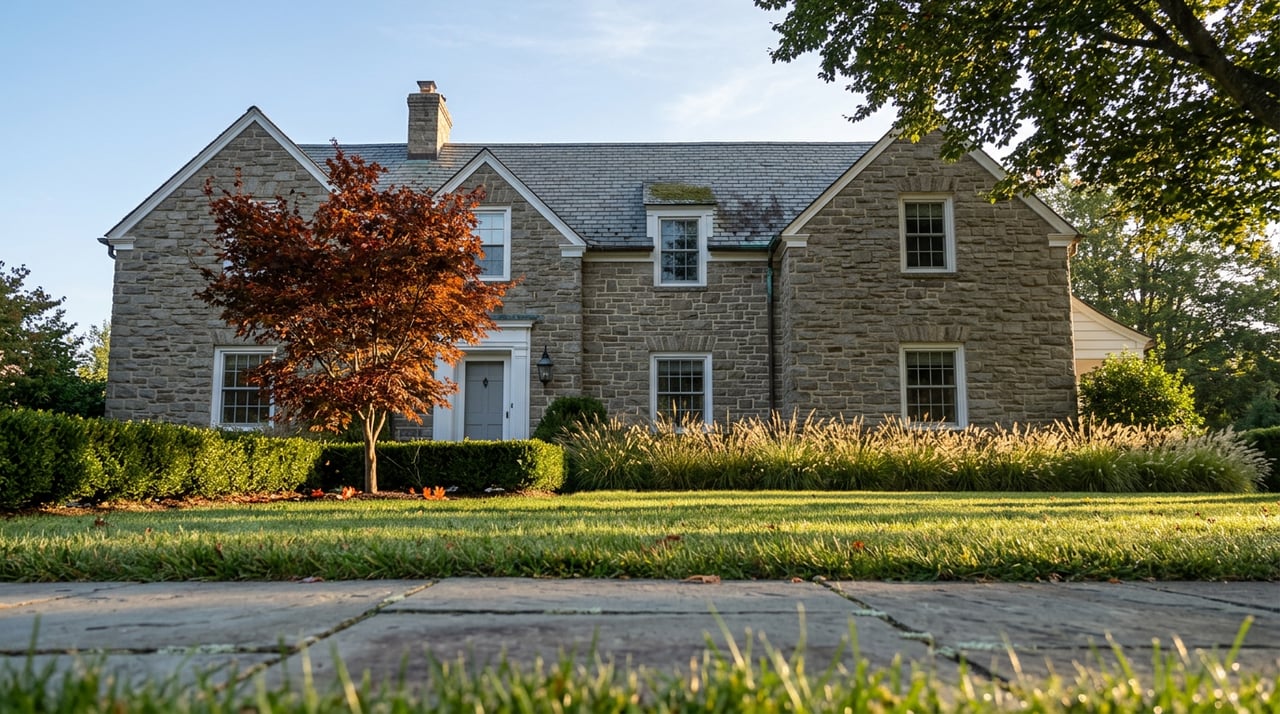
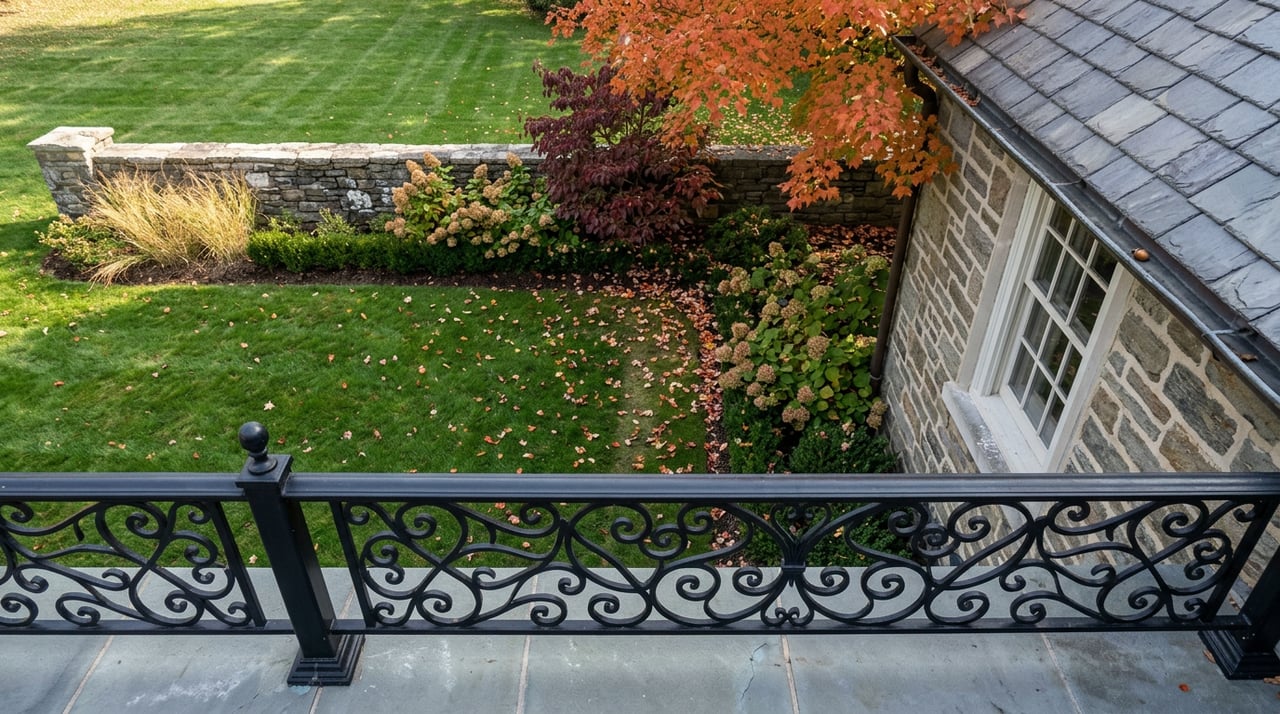
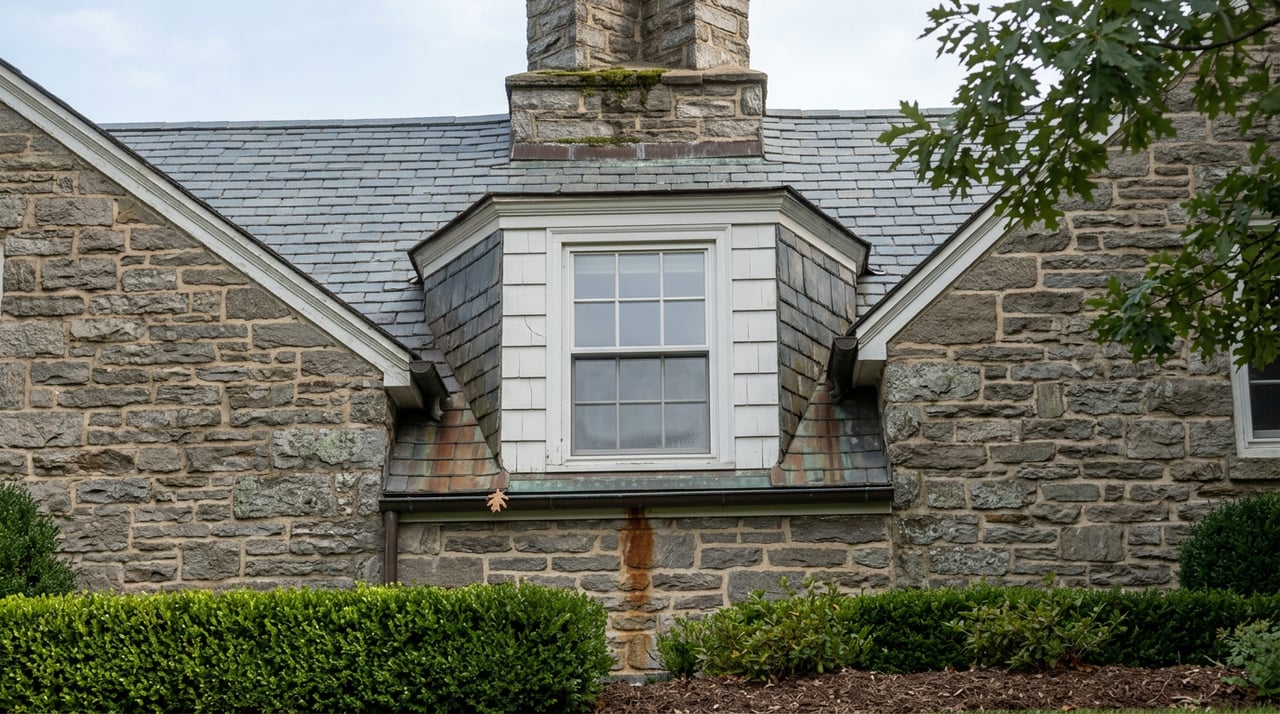
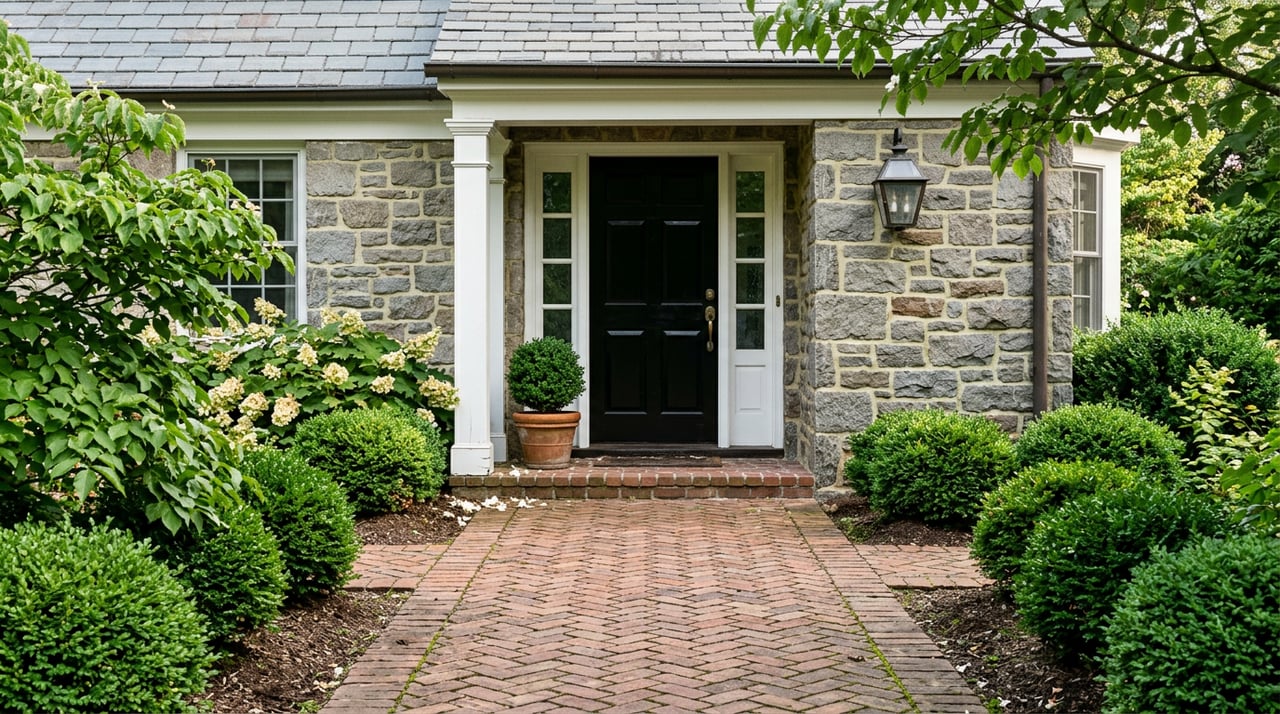
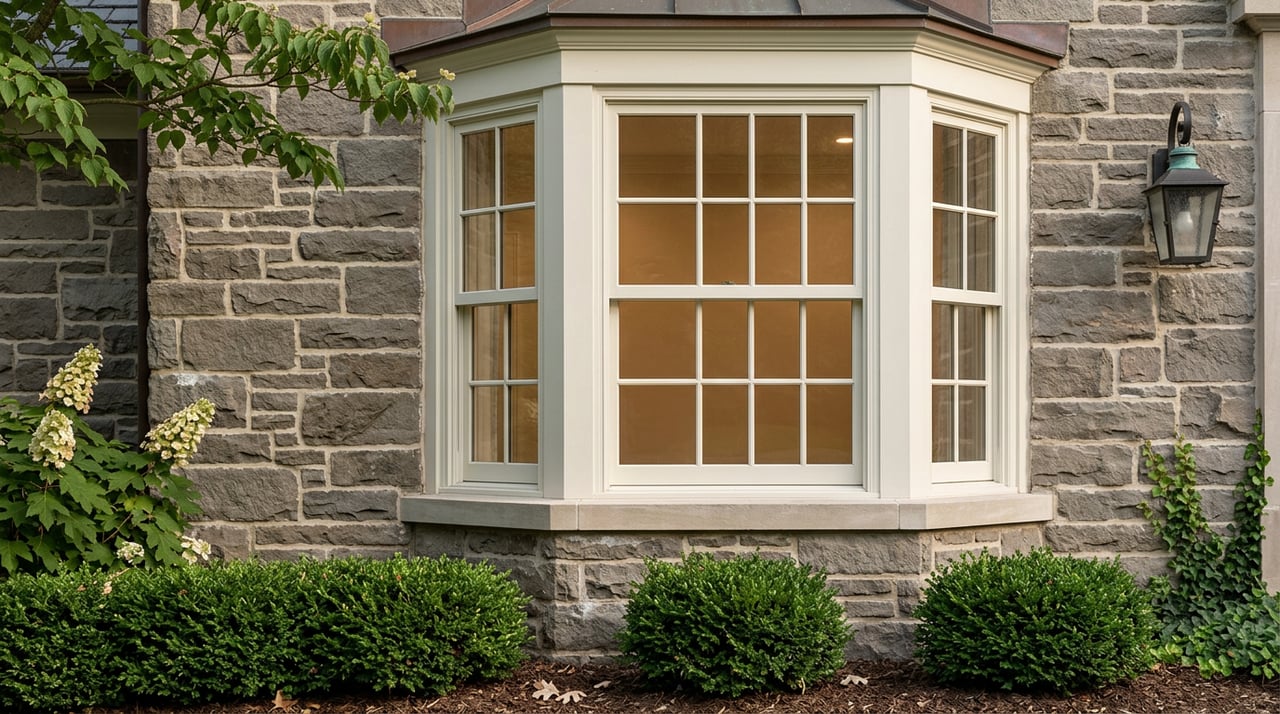
A historic farmhouse offers something new construction usually cannot replicate. You may find original stonework, barns, spring houses, root cellars, mature trees, and a setting that feels deeply tied to the land. In Chester County, those elements are not rare accidents. They are part of a long-standing built landscape the county has actively documented and preserved.
This option often appeals to buyers who want privacy, acreage, and a strong sense of place. In a market filled with preserved land and historic resources, owning a farmhouse can feel like owning a piece of Chester County’s story.
Historic farmhouses in the 19382 market snapshot also tend to come with more land. Current listings show parcels around 2.5, 3.88, 12, and 21 acres. That larger footprint can support a very different lifestyle than a newer home on a smaller lot.
Character usually comes with responsibility. Historic properties can absolutely be improved for comfort and performance, but the National Park Service notes that energy and sustainability upgrades should be evaluated based on their effect on the building. In practical terms, improvements often need a case-by-case approach.
That means you should expect more nuance around windows, insulation, heating and cooling, moisture management, and materials. Instead of a builder spec package, you may be looking at a series of thoughtful decisions over time.
It is also important not to assume a renovation tax credit will offset the cost. The National Park Service says the federal Historic Preservation Tax Incentives program generally applies to certified historic structures that are income-producing. For a typical owner-occupied farmhouse, the numbers usually need to work without relying on that benefit.
One of the biggest differences between these property types is the land itself. Chester County does not have one standard lot pattern because it includes urban, suburban, rural, and agricultural areas. County planning guidance shows that site planning is strongly shaped by municipal context.
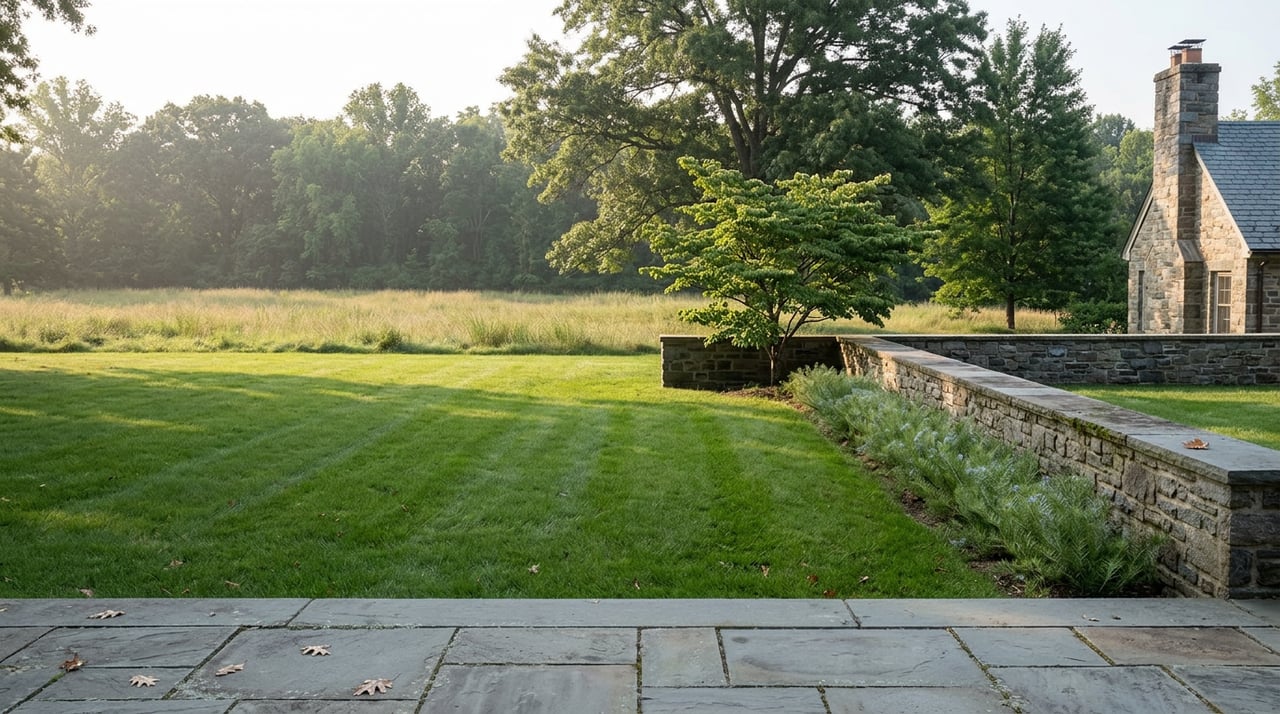
That matters because the home is only part of what you are buying. A new construction home may give you a lower-maintenance lot and a more straightforward ownership experience. A farmhouse may give you open views, outbuildings, and more privacy, but also more land to manage.
If a property is protected by an agricultural conservation easement, that is especially important to understand. Chester County says an easement runs with the land and binds future owners. This can help preserve the landscape, but it can also limit redevelopment flexibility.
Both home types can perform well, but they attract different buyers. New construction often appeals to people who prioritize predictable finishes, lower near-term maintenance, and a smoother move. That broad appeal can help support resale, especially in a premium market where turnkey homes command stronger pricing.
Historic farmhouses can also be compelling on resale, but for different reasons. Their appeal tends to be tied to scarcity, land, architecture, and setting. In Chester County, where preservation is unusually robust and historic resources are widely documented across municipalities, that identity can carry real weight.
The key is understanding your likely future buyer before you purchase. The more clearly a property aligns with a specific lifestyle, the easier it is to make a smart long-term decision.
If you are torn, focus on your daily life rather than the romance of the listing photos. The right home is the one that supports how you want to live over the next several years.
Here is a simple way to frame the choice:
Before you commit to either path, make sure you are comparing homes on more than aesthetics. A clear set of questions can keep the decision grounded.
In Chester County, new construction and historic farmhouses both offer real value, but they deliver it in very different ways. Newer homes tend to win on efficiency, predictability, and convenience. Historic farmhouses tend to win on land, character, and a strong sense of place.
Neither is inherently better. The smarter choice is the one that matches your priorities, your timeline, and your tolerance for ongoing property care. In a market as layered as Chester County, that kind of fit matters more than following a simple old-versus-new rule.
If you are weighing a newer luxury home against a farmhouse or estate property in Chester County, working with a local team that understands both product types can make the process much clearer. For tailored guidance on lifestyle fit, market positioning, and property value, connect with Megan van Arkel.
Stay up to date on the latest real estate trends.
The Megan Van Arkel Team is dedicated to helping you find your dream home and assisting with any selling needs you may have. Contact them today to start your home-searching journey!