
On the Main Line, the Roof Isn't What Stalls a Closing. The Wiring Is.
September 17, 2026
September 17, 2026
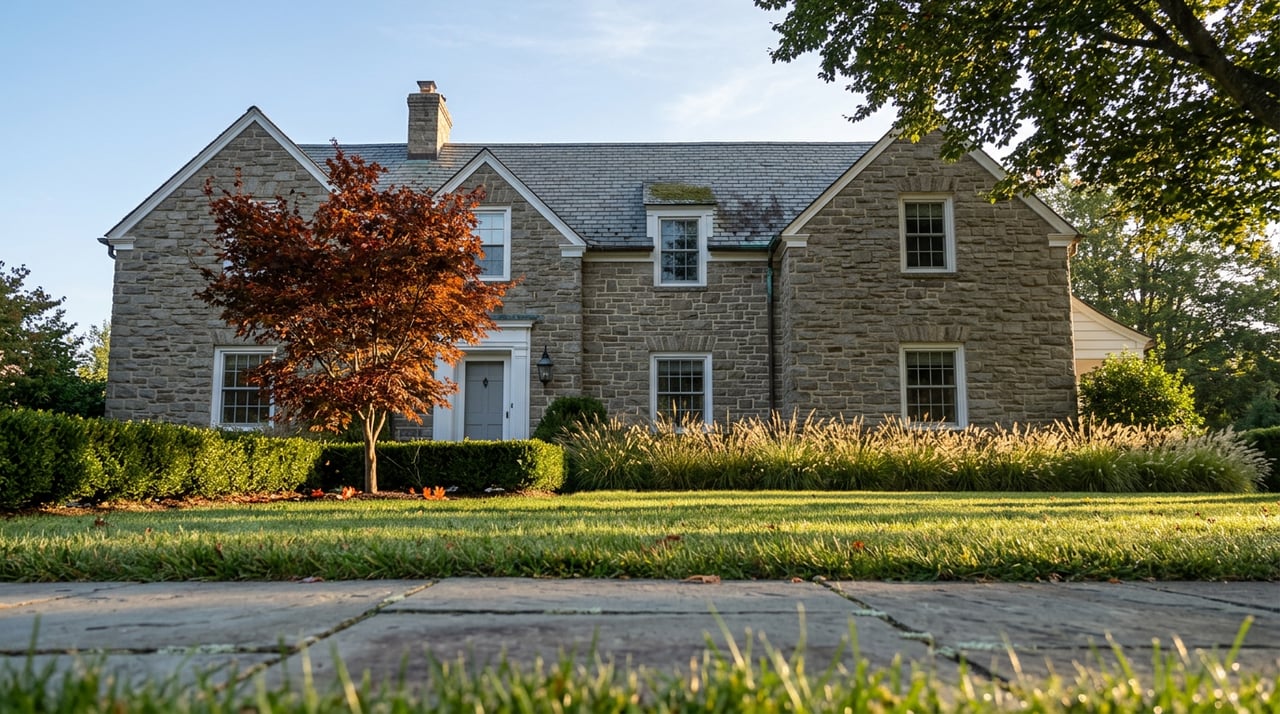
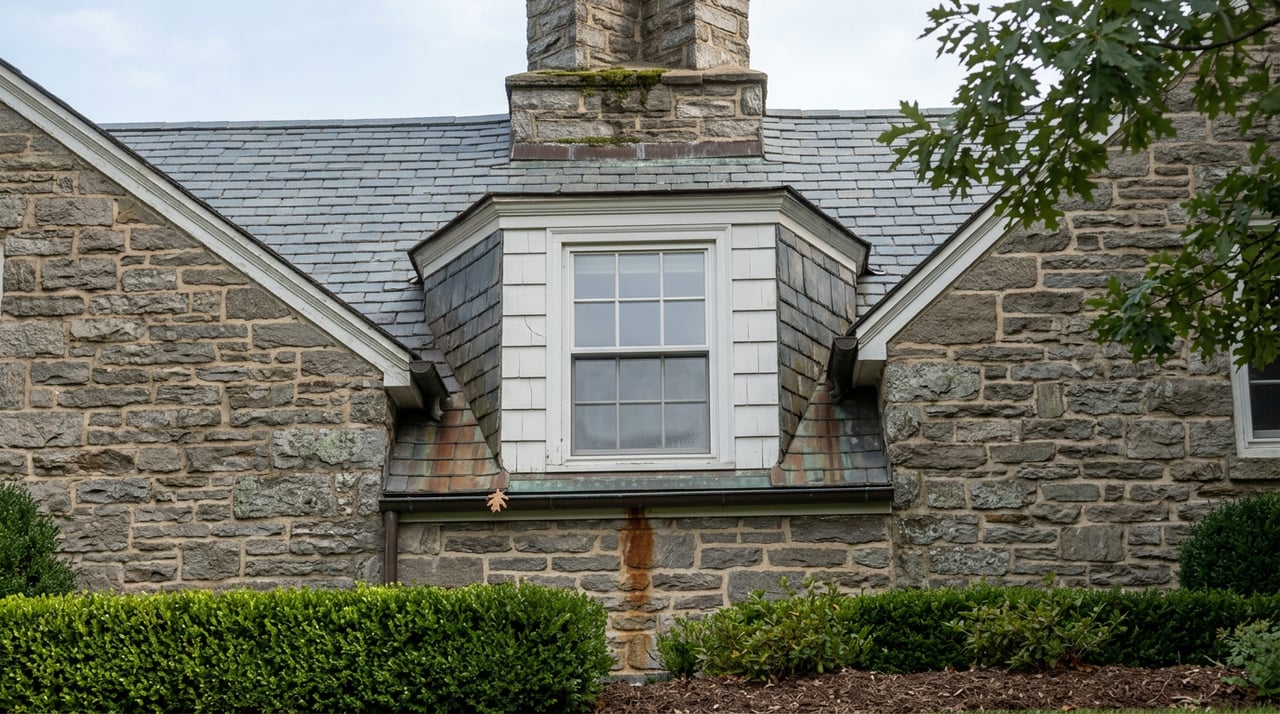
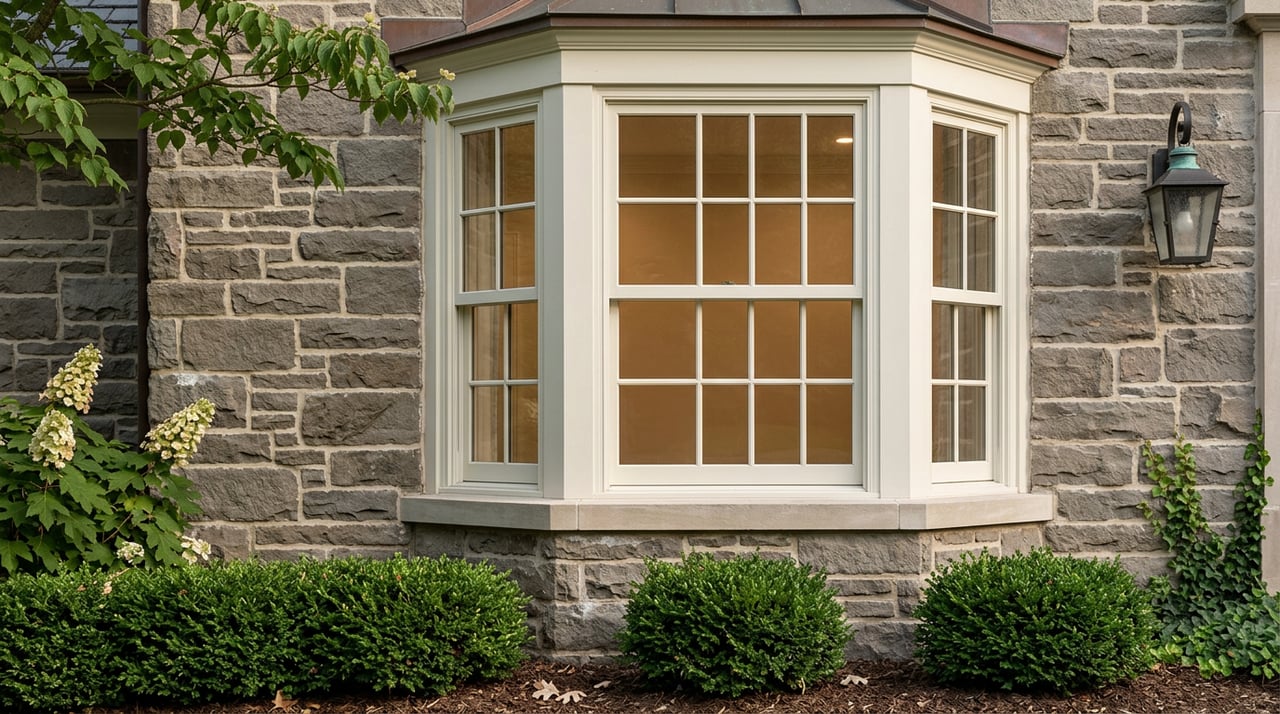
Buyers touring a stone Tudor in Bryn Mawr or a Wayne colonial built before the war spend their attention on the parts they can see: the slate, the leaded glass, the fieldstone. Their inspector's report will spend real estate on radon, sewer laterals, and moisture in the basement, because those are the add-on tests every Main Line inspector routinely recommends for homes of this era. All of that gets resolved inside a standard inspection window.
The item that actually derails timelines runs behind the plaster, and it doesn't resolve on the inspector's schedule at all. It resolves on an insurance underwriter's schedule, which starts later, moves slower, and answers a different question than "is this safe." It answers "will we write this policy, and on what terms."
Pennsylvania's Real Estate Seller Disclosure Law requires sellers to state known material defects, including the condition of the home's electrical system and whether it includes knob-and-tube wiring. The obligation is built around what the seller actually knows. A seller who has lived comfortably with the original wiring for twenty years and never had reason to open a wall has nothing to disclose beyond "unknown," and that answer is legally sufficient. The Pennsylvania Code's disclosure regulation is explicit that the statement reflects the seller's knowledge as of the date signed, not an independent evaluation of the property.
That single distinction is why the wiring question so often lands on the buyer's desk fully formed but unanswered. The seller isn't hiding anything. Nobody has looked.
Main Line home inspectors describe the pattern the same way across the corridor's older towns. Homes in Bryn Mawr and Villanova carry iconic stone estates and classic prestige addresses going back generations. Haverford's grand estates and Wayne's Victorian and colonial stock trace the same build era. Devon's horse-country homes and Gladwyne's secluded acreage properties round out the picture. That building window, roughly 1880 through 1950, is exactly when knob-and-tube wiring was the standard method, and it is exactly the housing stock that defines the Main Line's character.
The wiring itself often still works. It was built with larger-gauge copper that runs cooler than modern equivalents, and undisturbed, unmodified runs can carry current safely for a long time. The problem was never really about function. It's about how an insurance carrier is required to treat a system with no ground wire and degrading rubber insulation, regardless of how well it's held up.
Once an inspection flags active knob-and-tube, the buyer's insurance application stops being a formality and becomes its own negotiation. There are four outcomes a carrier can return, and they are not close to equivalent:
None of these four outcomes is knowable in advance. Which one a buyer lands on depends on the specific carrier, the specific home, and sometimes on whether an electrician has already documented which circuits are live and which have been safely disconnected.
A standard Pennsylvania inspection contingency runs 10 to 15 days. Radon testing needs 48 to 96 hours under closed-house conditions. A general inspection and a sewer scope can usually be scheduled and completed within the first week without much friction. All of that fits comfortably inside a normal contingency window, running in parallel.
Insurance underwriting on a flagged electrical system does not run in parallel. It runs in sequence, and each step depends on the one before it. The inspection has to identify the active knob-and-tube first. Then the buyer has to call an agent. Then, depending on the carrier, an electrician may need to produce a formal evaluation report stating which circuits are live before any underwriter will quote a firm rate. Each of those calls takes days to schedule on its own, and a buyer who waits until the inspection report lands to start making them has already spent most of the contingency window before the first insurance conversation even happens.
By the time an underwriting answer arrives, in the worst version of this timeline, the contingency has closed. The buyer is left deciding whether to extend, walk, or proceed without knowing what their policy will actually cost.
A seller who has an electrician's evaluation report in hand before the home ever goes live removes the single slowest step in this chain. That report, stating which circuits are active and which have already been disconnected, is the exact document most carriers ask for anyway. Producing it during pre-listing preparation, alongside the kind of staging and cosmetic work that Compass Concierge is built to support, means a buyer's insurance question can be answered in days rather than weeks, and it signals to serious buyers that the seller has already done the homework a careful underwriter will eventually demand.
For a buyer under contract on a pre-1950 Main Line stone or Tudor home, the sequence matters as much as the substance:
Does every pre-1950 Main Line home have knob-and-tube wiring? Not necessarily, and many have been partially or fully rewired over the decades. But the build era common across Bryn Mawr, Villanova, Haverford, Wayne, Gladwyne, and Devon overlaps almost exactly with the years knob-and-tube was standard, so it is common enough that a buyer should assume the question will come up rather than hope it won't.
If the wiring still works fine, can I just leave it alone? Pennsylvania doesn't require removal of existing knob-and-tube by law. The pressure to address it comes almost entirely from insurance underwriting, not building code, which is why the conversation with an agent matters more than the conversation with a contractor in the early going.
Does the seller have to test the wiring before listing? No. Pennsylvania's disclosure law asks sellers what they know, not what an inspection would reveal. A seller can answer "unknown" in good faith and be fully compliant, which is exactly why buyers can't rely on the disclosure form to surface this issue early.
A Main Line stone home rewards patience in almost every other part of the transaction. This is the one place where moving first, before the inspection report even lands, is what keeps the closing date intact. The Megan Van Arkel Team works these details into every Main Line transaction from the first showing, so the insurance question gets answered on your timeline instead of the underwriter's. Reach out before you write the offer, and we'll walk the specific wiring, insurance, and disclosure picture for the home you have in mind.
Stay up to date on the latest real estate trends.



The Megan Van Arkel Team is dedicated to helping you find your dream home and assisting with any selling needs you may have. Contact them today to start your home-searching journey!