What a Stalled Bryn Mawr Preservation Vote Reveals About Buying Historic on the Main Line
August 20, 2026
August 20, 2026
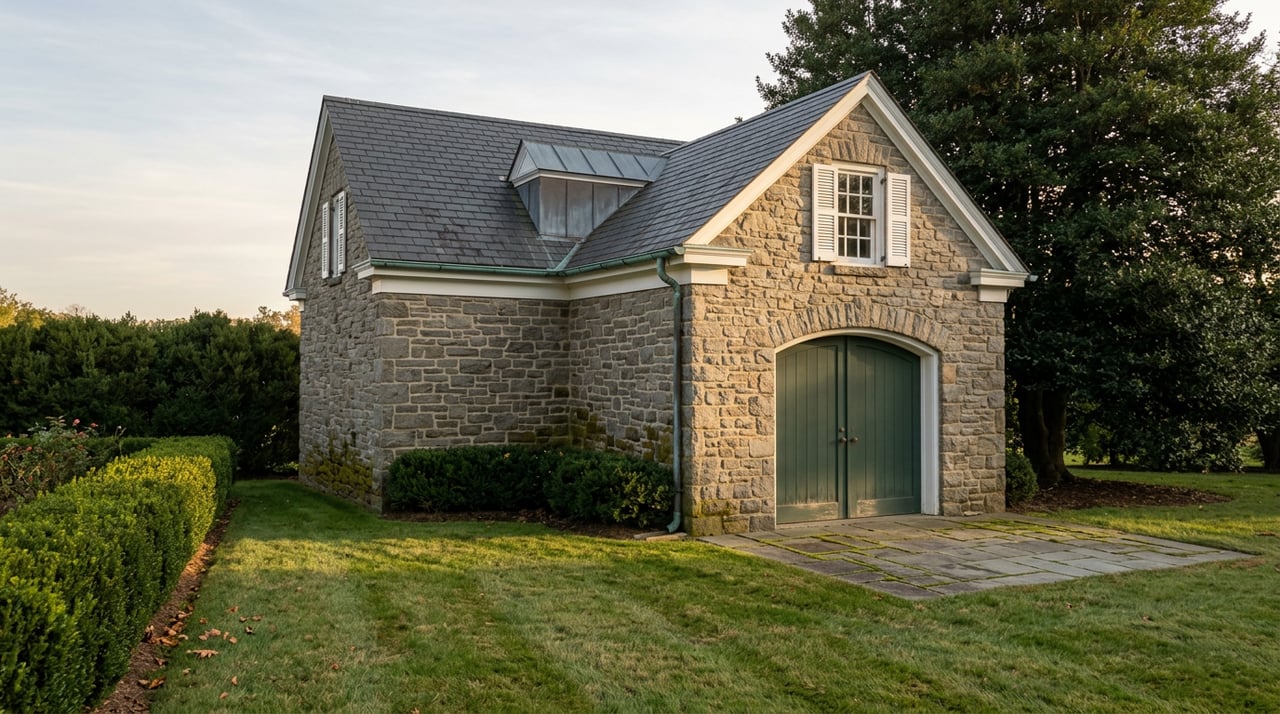
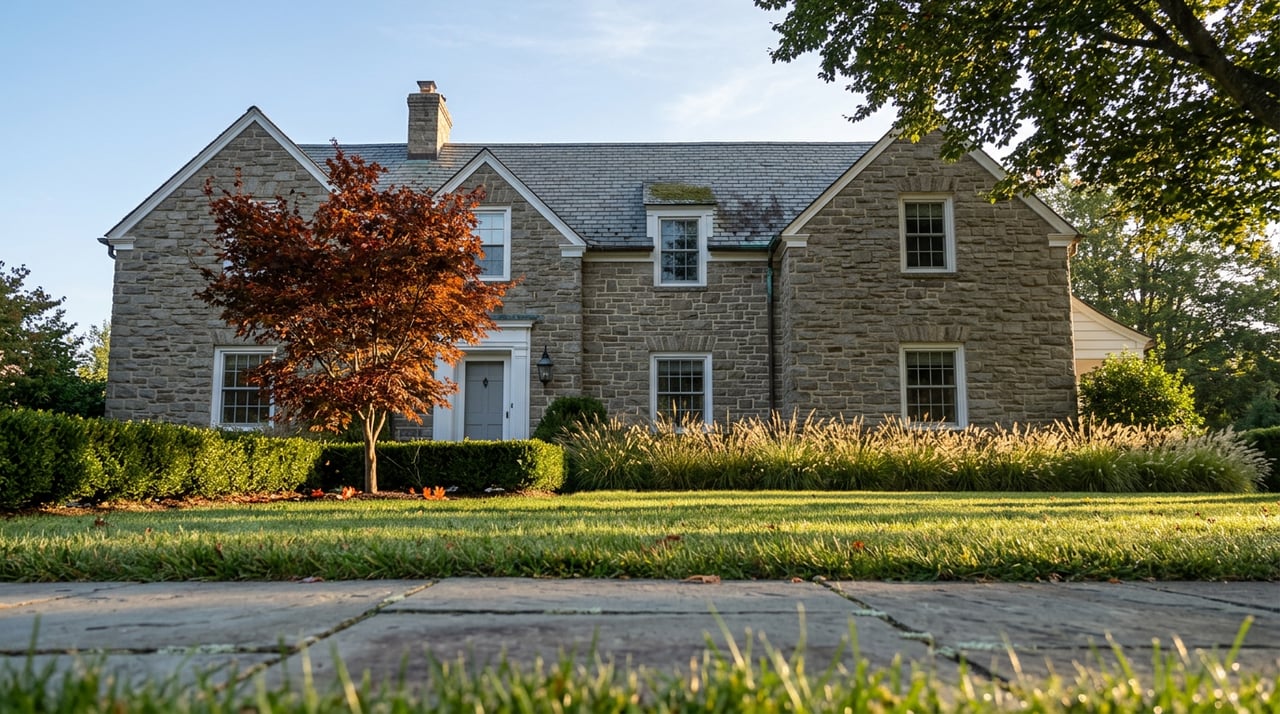
In March 2025, a homeowner on Elliott Avenue in Bryn Mawr found himself opposing his own house's nomination to Lower Merion Township's list of historic properties. The house, designed in 1900 by the architect William Lightfoot Price, features an early attached garage believed to be among the first of its kind on the Main Line. Preservation advocates wanted it classified as a Class 1 resource, the strongest protection the township offers. The owner did not. His objection, according to reporting in the Philadelphia Inquirer, centered on cost and on how a historic designation might complicate a future sale.
The township's building and planning committee paused the vote that spring rather than designate the house over its owner's objection. Whatever the commission ultimately decided, the pause itself is the point: a house can sit in procedural limbo, its renovation and demolition rights undetermined, while buyers and sellers on the same block operate under settled rules.
Most guides to buying an older Main Line home tell you to check whether a property is historic and to ask the seller. That advice is not wrong. It is also not enough, and the Elliott Avenue standoff shows exactly why.
Pennsylvania's Seller's Property Disclosure Statement, the form used in nearly every residential sale in the state, is one part of assessing an older property's historic status.
On the Main Line, where a meaningful share of the housing stock predates 1940, checking a property's historic status beyond the disclosure form matters more than it would almost anywhere else in the region.
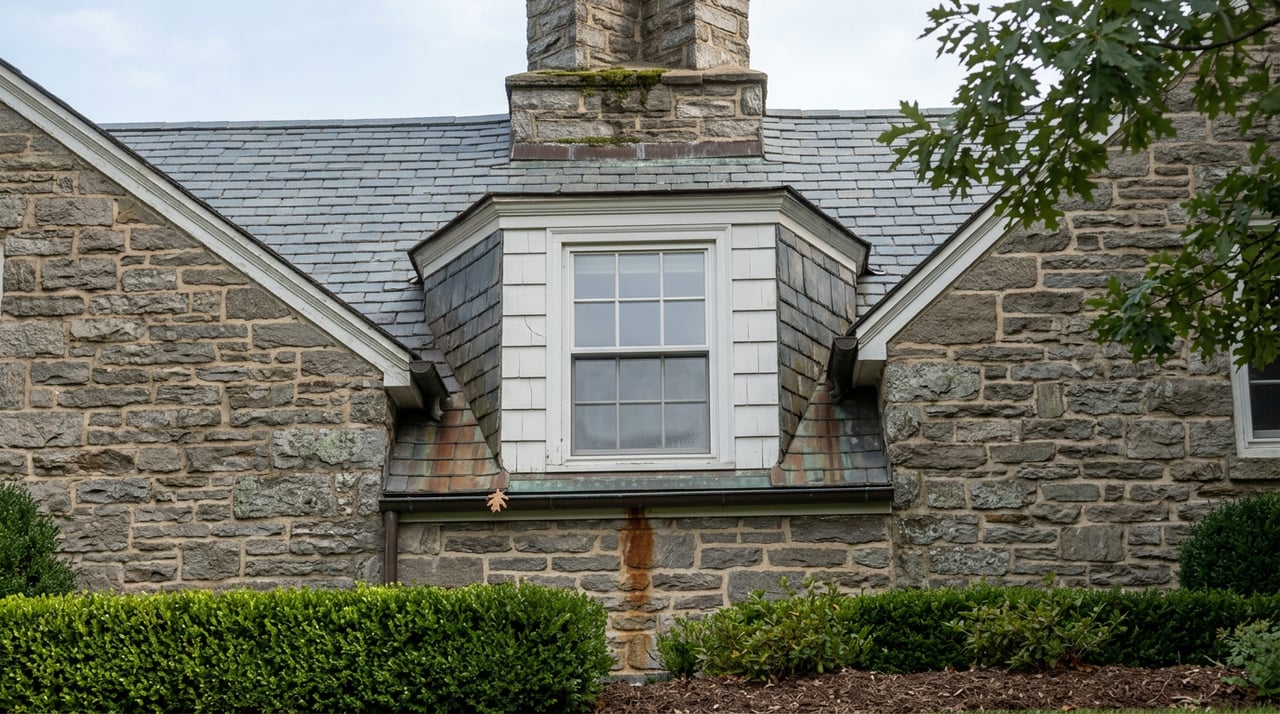
Lower Merion's Historic Resource Inventory divides protected properties into two tiers, Class I and Class II. Under the township's ordinance, no resource on the inventory can be demolished, in whole or in part, without a building permit, and any permit application involving demolition or significant exterior alteration of a listed resource gets forwarded to the Historical Commission rather than approved outright. Properties inside a local historic district face an additional layer on top of that, since any exterior alteration visible from a public right of way needs a Certificate of Appropriateness from the Historical Architectural Review Board before work can begin.
The Elliott Avenue case is instructive because it shows who can start that process. The nomination was not filed by the current owner. It was prepared by preservation advocates Arielle Harris and Jillian Galle, based on documentation by Galle's late husband, Aaron Wunsch, and submitted to the township in July 2024. The Lower Merion Historical Commission then recommended the house for inclusion. From there, it goes to a vote by the township commission.
In other words, a community member who has never owned the property can set its historic review process in motion. As reported by the Philadelphia Inquirer, one of the advocates behind the Elliott Avenue nomination framed the underlying tension as a question of whether owners can do as they wish with their properties or whether they act as stewards for the future. That framing captures the stakes for anyone buying an older Main Line home: the house you close on today could be reviewed by a different set of rules tomorrow, based on a decision you have no part in.
The ordinance also defines "demolition by neglect," meaning a failure to maintain a listed building can itself trigger enforcement, not just an active decision to tear it down.
La Ronda, a Spanish Revival mansion in Lower Merion designated Class II, was ultimately demolished despite its listing, as WeConservePA reports. For a buyer, the lesson is not that historic listing is toothless.
The clearest illustration of what happens when a Main Line owner skips that process comes from a Philadelphia Inquirer report about Gypsy Lane in Wynnewood. The owners of a century-old home began building an in-law suite and garage addition without seeking the required township permits and Historical Commission approval. Township officials ordered a stop to the work once they learned of it.
The resolution was not simple. The owners paid $13,000 in fines for the unauthorized work and, according to township officials at the time, faced more than $100,000 total in fines, legal fees, and construction costs tied to removing and altering portions of what had already been built, including a patio, brickwork on the dormers, a pergola, and roof parapets. The Historical Commission reviewed the project retroactively and required specific elements to be undone. The matter was settled after months of negotiation between the township and the family's attorneys.
That case predates the Elliott Avenue standoff by roughly eight years, but the mechanism it exposes has not changed. On a listed Main Line property, exterior work done without Historical Commission or HARB approval is not a paperwork technicality. It is a financial and calendar risk that can attach to a house long after the closing table.
For a buyer looking seriously at a pre-1940 stone home in Bryn Mawr, Haverford, Villanova, Wynnewood, or Gladwyne, a few steps do more than the disclosure form alone:
Does being on the National Register mean I can't touch my house? Not by itself. Federal law places no restrictions on a private owner's use of a National Register property unless the project involves federal funding, licensing, or permitting. Local ordinances, like Lower Merion's Historic Resource Inventory, are the ones that actually require review before exterior changes.
If I only plan interior renovations, do these rules still apply? Lower Merion's review process centers on exterior alterations visible from a public right of way and on demolition, in whole or in part. For interior work, confirm with the township, especially for any project involving structural changes.
The stone facades that make the Main Line what it is were never going to come with fewer strings attached. What the Elliott Avenue and Gypsy Lane cases show is that the strings are attached at the township level, not the closing table, and they can tighten or loosen on a timeline that has nothing to do with your settlement date. A buyer who checks the actual inventory before falling in love with a house is negotiating from a position the disclosure form alone cannot give them.
If you are weighing an offer on an older Main Line property, or preparing to sell one, Megan Van Arkel Team can help you understand exactly where a home stands before you commit to a timeline or a renovation budget. Get Your Home Value and let's talk through what your property's status actually means for your next move.
This article is general information, not legal, tax or financial advice. Consult a qualified professional about your situation.
Stay up to date on the latest real estate trends.



The Megan Van Arkel Team is dedicated to helping you find your dream home and assisting with any selling needs you may have. Contact them today to start your home-searching journey!