Historic vs. New Main Line Homes: Which Is Right?
March 5, 2026
March 5, 2026
Choosing between a storied stone manor on the Main Line and a sleek new build can feel like choosing between heritage and hassle-free living. You are not alone if you love the charm of carved millwork and slate roofs, but also want the ease of modern systems and open layouts. In this guide, you will learn how to weigh maintenance, layout, energy use, permits, and resale in 19096 and nearby Main Line pockets, so you can move forward with confidence. Let’s dive in.
The 19096 market is affluent and active, with recent median sale prices in the high six figures and strong demand for well-presented homes. Many Wynnewood properties fall within or near the Lower Merion School District, which is a common consideration for families evaluating commute, activities, and routines. You can verify attendance zones and school locations through the district’s site at the Lower Merion School District schools page.
Local lifestyle anchors include the Lancaster Avenue corridor and nearby Suburban Square and Ardmore, which draw buyers who value shops, train access, and a village feel. Surrounding enclaves such as Merion, Villanova, Bryn Mawr, and Gladwyne offer a mix of grand historic estates, mid-century luxury homes, and recent custom builds.
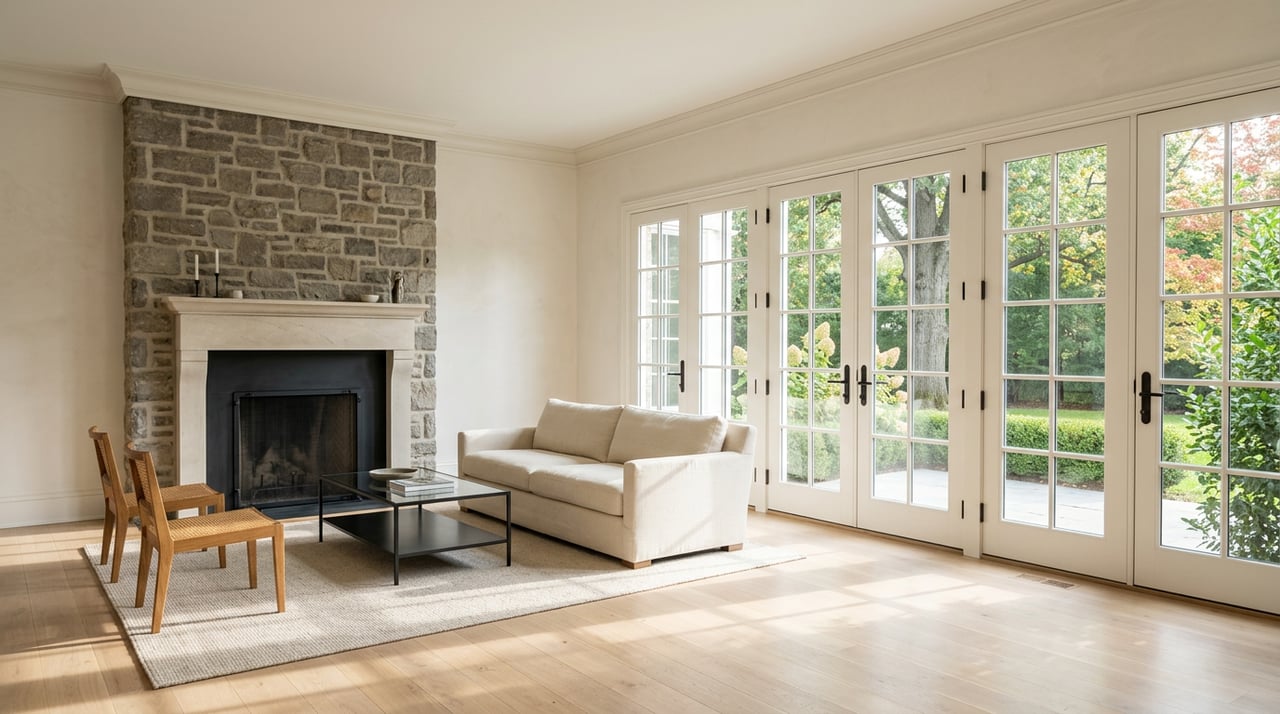
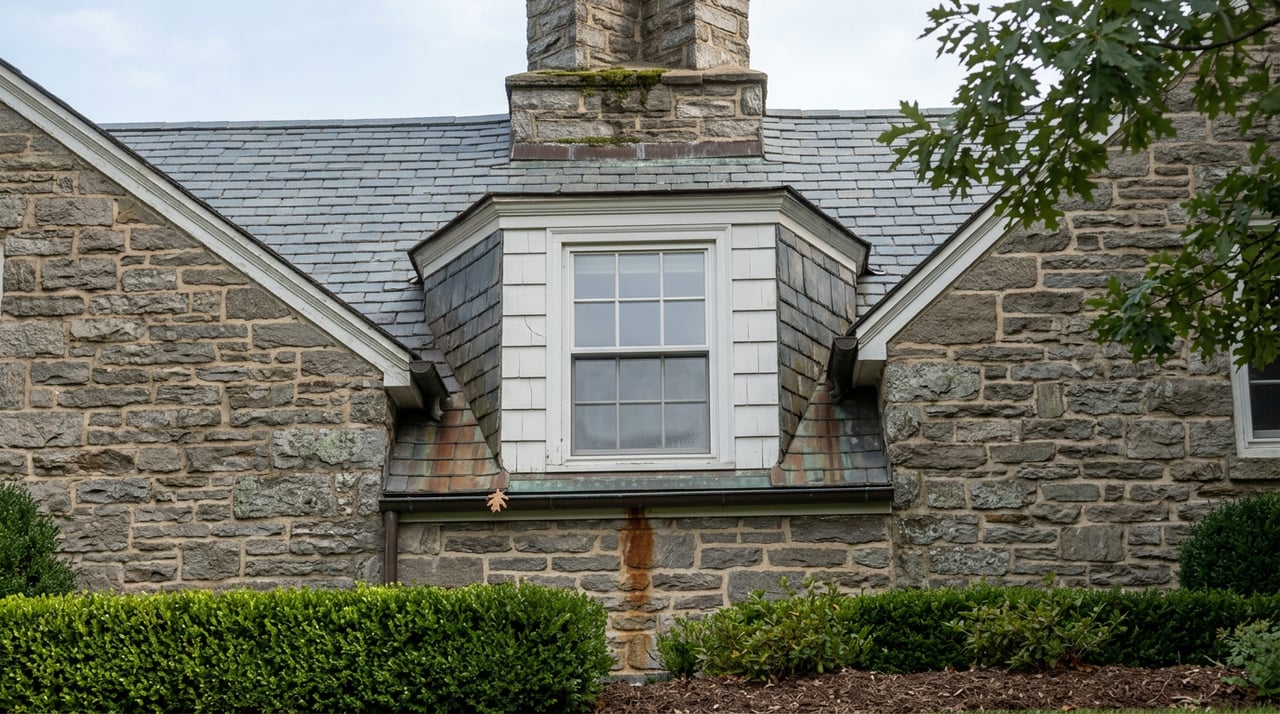
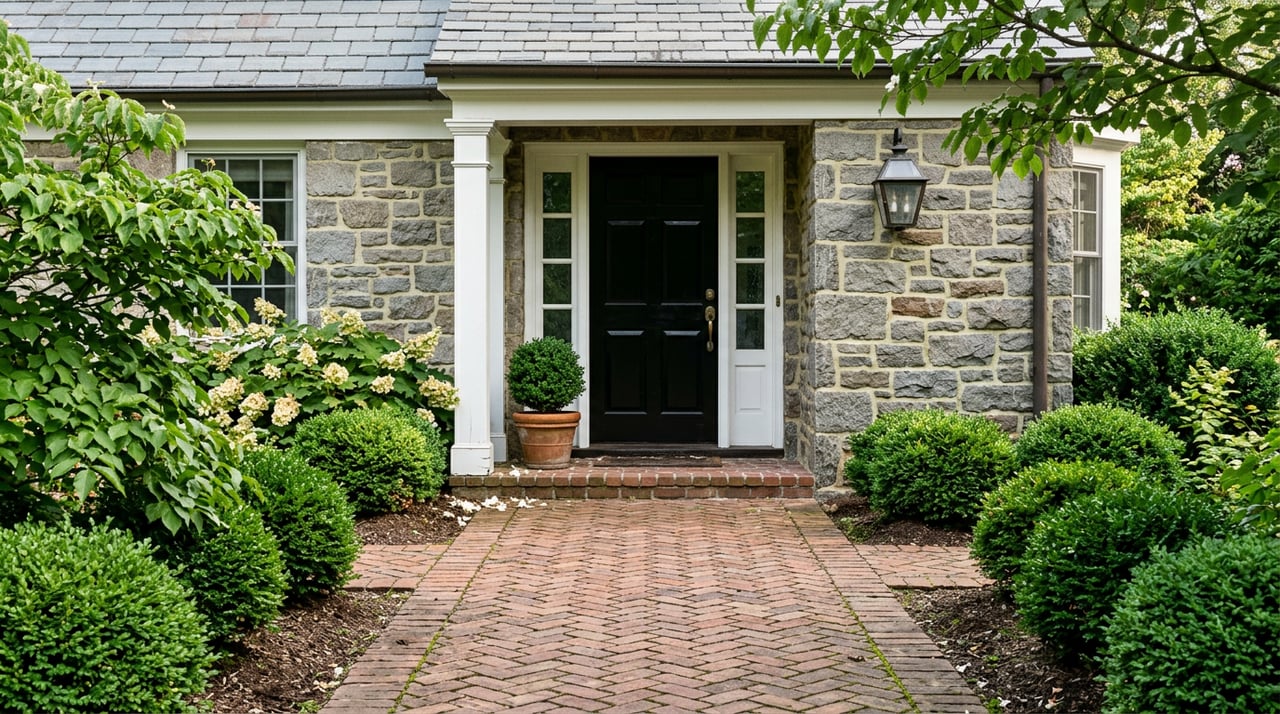
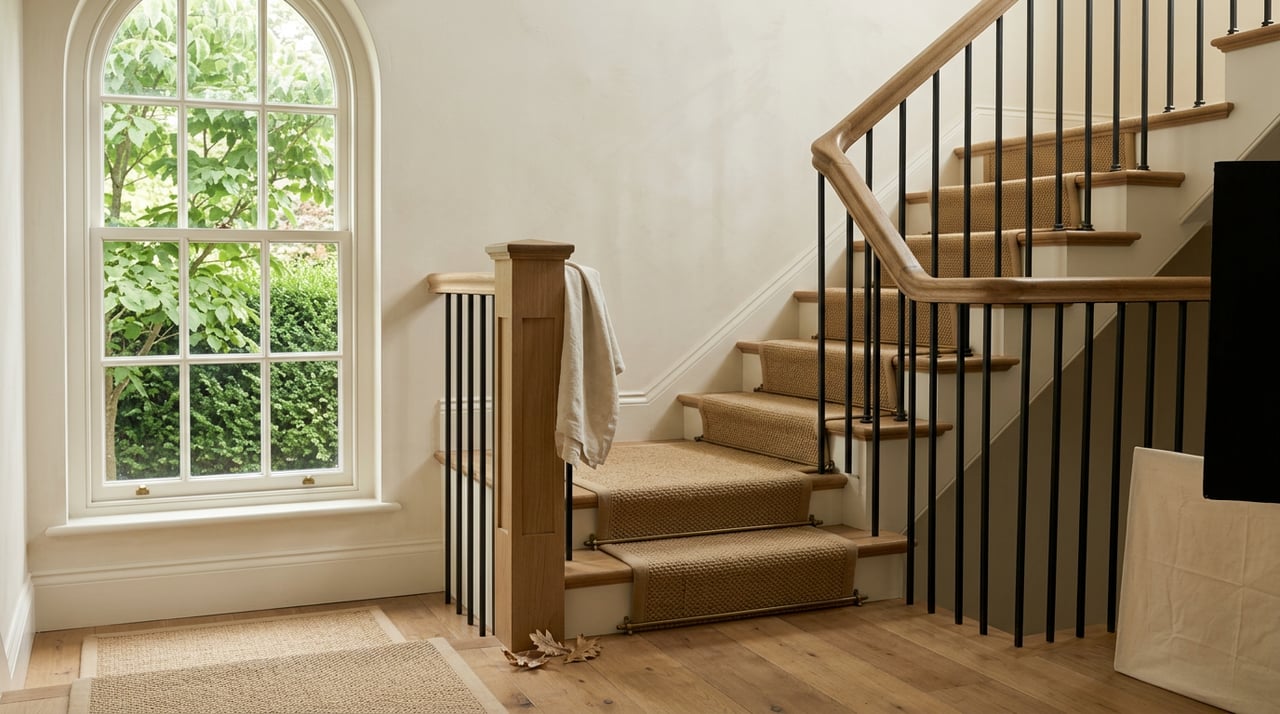
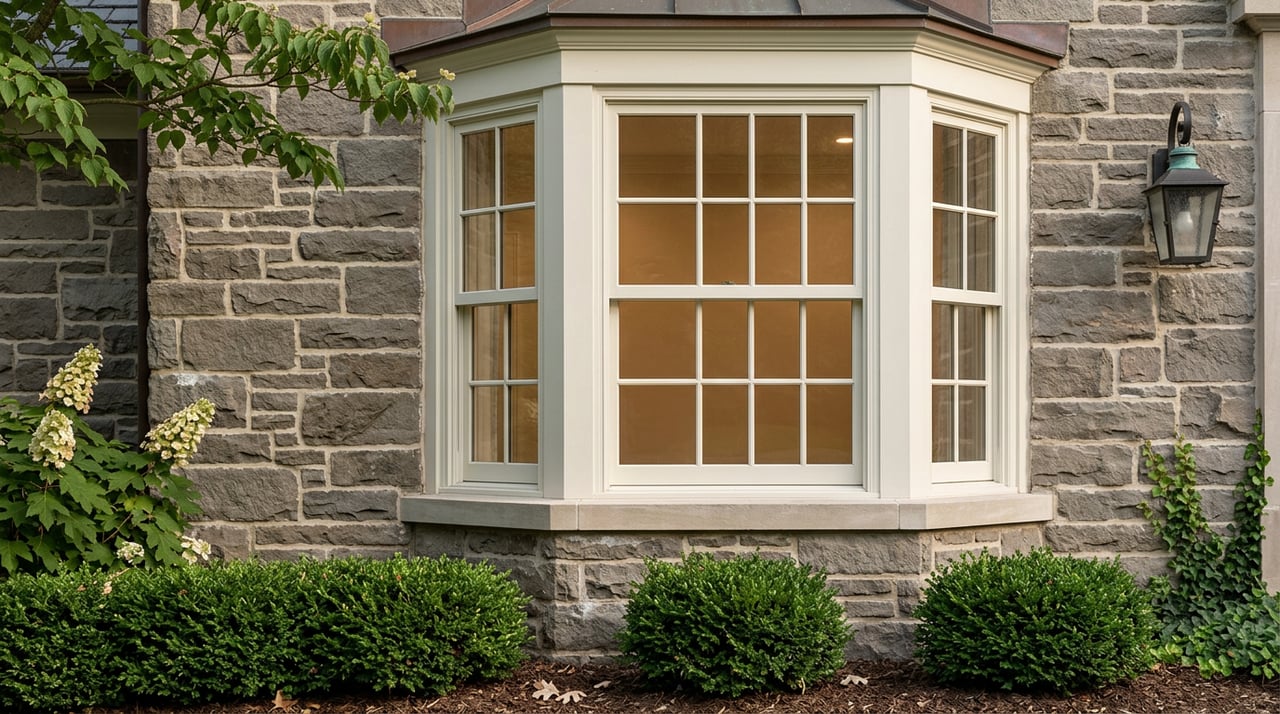
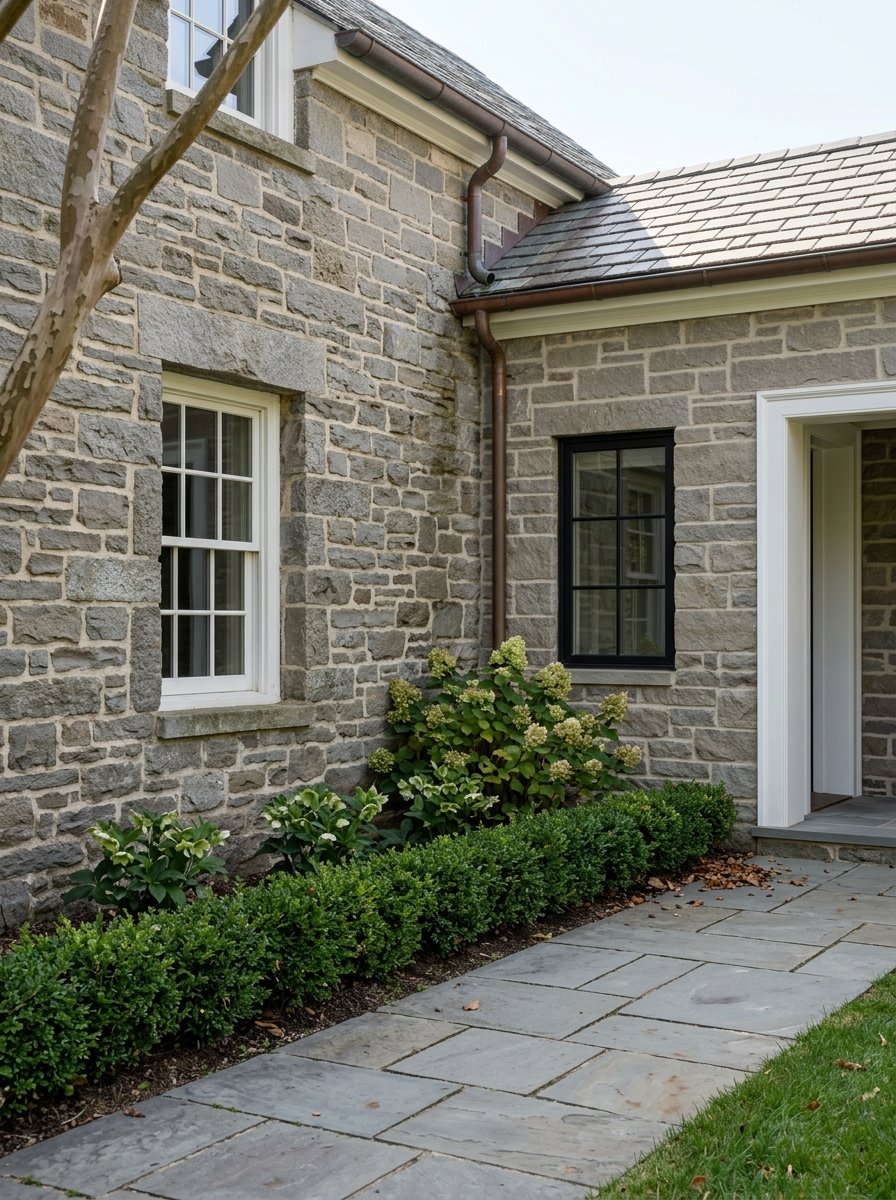
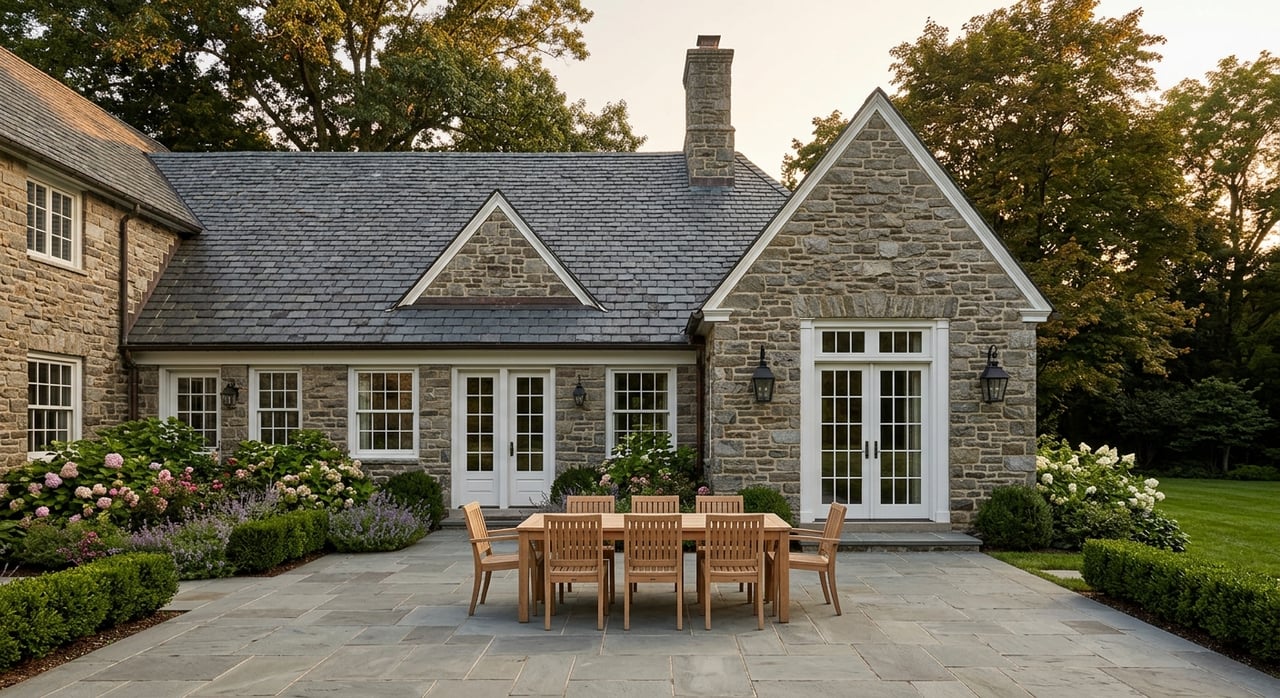
Historic homes on the Main Line often feature stone construction, slate or tile roofs, leaded glass, and handcrafted millwork. These details create a sense of permanence and artistry that is difficult to replicate today. Mature trees and gardens add privacy and presence, and many properties sit on larger lots.
If you want a vivid example of historic character, Wynnewood’s English Village showcases Tudor Revival cottages and a distinctive streetscape that feels uniquely Main Line. Learn more about the area’s story through this overview of Wynnewood’s English Village.
You should also know that portions of Lower Merion Township have local historic districts, and some properties appear on the Township’s historic inventory. Exterior changes that are visible from the street, and any demolition plans, may require review. You can view local mapping and learn about the process through the Township’s Historic and Architectural Review Board maps.
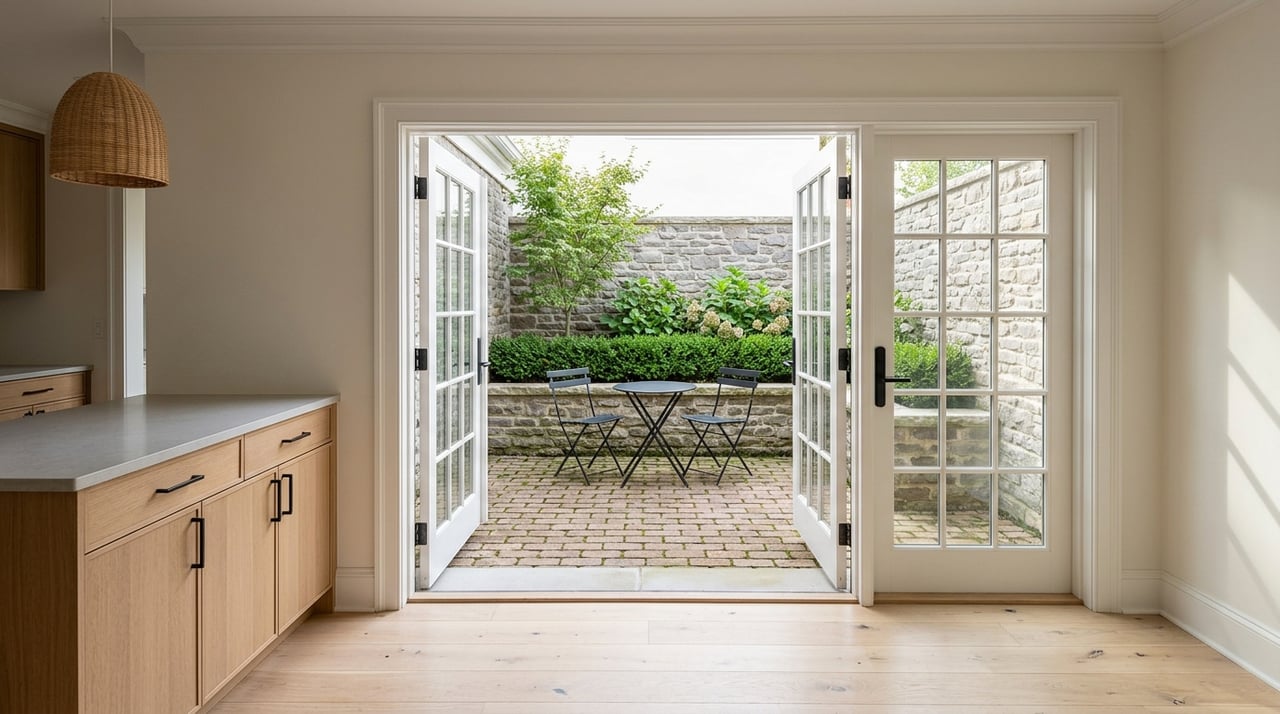
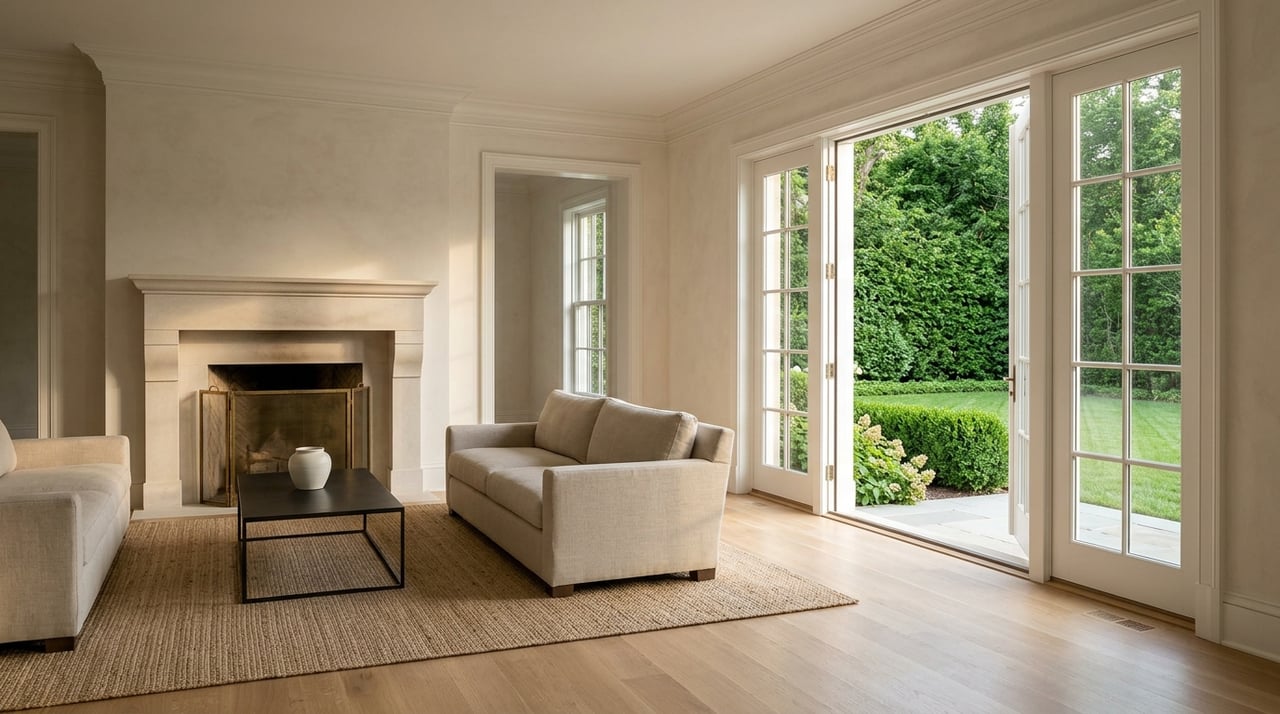
New luxury homes trade original character for comfort, efficiency, and predictable operating costs. You will find open kitchens to family rooms, large primary suites, abundant storage, and integrated home technology that streamline daily life. Mechanical systems and the building envelope start at day one, which reduces early ownership surprises.
Energy performance is another advantage. Homes built to modern energy standards, including ENERGY STAR or similar programs, are commonly reported to be about 20 to 30 percent more efficient than older standard homes. You can review program context in the EPA’s ENERGY STAR new homes materials.
Historic estates can be remarkably durable when maintained, but they carry more uncertainty. Original electrical, plumbing, and roofing add complexity and cost when repaired. As a simple planning guide, many owners set aside about 1 percent of the home’s value per year for maintenance, and 2 to 3 percent for older or more complex properties. This reserve helps smooth the timing of bigger projects.
A few cost examples can help you budget. Full rewiring to replace knob-and-tube often lands in the low five figures and can climb into the tens of thousands, based on size and access. Review a primer on cost factors in this overview of knob-and-tube wiring replacement costs. Kitchen and bath overhauls are also typically five-figure projects. For mechanicals, expect furnaces and conventional HVAC systems to show useful lives in the 15 to 30 year range. You can find lifespan guidance in This Old House’s furnace replacement resource.
New construction compresses risk in the early years. Systems are new, the envelope is tight, and warranties often apply. You still need a maintenance plan, but year-one surprises are less common.
Many historic homes are organized around formal rooms, with smaller kitchens and secondary stairs. These plans can be beautiful and refined, yet may feel less flexible for today’s routines like work-from-home, casual entertaining, and easy indoor-outdoor flow. Retrofitting to open a kitchen or add a larger primary suite might require structural work and careful attention to historic fabric.
New builds are designed for modern circulation and convenience. Think large islands that connect to a family room, walk-in pantries, generous closet systems, mudrooms, and direct garage access. If you prioritize ease of movement, sightlines, and storage, a newer layout may fit your daily life with less change.
Older homes can be upgraded for better efficiency, but the starting point is often less efficient. Windows and doors are frequent weak spots, and government energy resources estimate that 25 to 30 percent of heating and cooling energy can be associated with windows and doors. Review practical options like storms and interior panels in this window efficiency guide.
New construction usually starts with advanced insulation, air sealing, and efficient HVAC, which help stabilize monthly costs. If energy savings are a priority, target properties built or renovated to recognized energy standards and plan a third-party energy evaluation when possible.
If you are considering visible exterior changes or a teardown, confirm whether the property lies in a local historic district or on the Township’s historic inventory. These locations can trigger additional review for demolition and exterior alterations. Start with Lower Merion’s HARB maps and guidance, then plan your design and permitting timeline. Where variances, stormwater approvals, or tree preservation rules apply, expect a multi-month process.
Older systems can affect insurance underwriting and mortgage conditions. Insurers and lenders may flag ungrounded electrical, signs of active water intrusion, or very old roofs. Addressing issues before closing, or negotiating credits, can smooth underwriting. For a plain-English look at factors that influence insurance pricing, see this overview of what impacts homeowners insurance.
On resale, unique historic estates often hold value due to scarcity, though the buyer pool can be narrower. New construction tends to appeal to more buyers and can be easier to market quickly.
Use this checklist before you write an offer, and again during inspections.
You deserve a calm, informed process with no surprises. As a boutique, leader-involved team based in Ardmore, we bring deep local Main Line knowledge and a high-touch approach to help you balance character and convenience.
Here is how we support you:
When you are ready to explore historic estates and new construction on the Main Line, connect with Megan van Arkel for a focused, private consultation.
Stay up to date on the latest real estate trends.
The Megan Van Arkel Team is dedicated to helping you find your dream home and assisting with any selling needs you may have. Contact them today to start your home-searching journey!