What Really Drives Main Line Luxury Home Values
February 19, 2026
February 19, 2026
Why do two stately homes only a mile apart on the Main Line command very different prices? If you have compared Wynnewood to Gladwyne or Villanova and felt puzzled, you are not alone. Luxury values here hinge on a handful of local factors that carry real weight with buyers. In this guide, you will learn the specific drivers that set price ceilings, how to compare two “similar” homes, and what to do if you plan to buy or sell in 19096 and nearby enclaves. Let’s dive in.
Luxury on the Main Line is a spectrum, not a single price point. As of early 2026, public home‑value indices place Wynnewood’s 19096 market in the high six figures, roughly 760,000 to 790,000 dollars. Nearby, Gladwyne often lists and sells in the low to mid seven figures, with many estate‑scale properties closing above two million dollars. Villanova and parts of Radnor and Wayne typically sit between those brackets, frequently around 900,000 to 2 million dollars depending on micro‑neighborhood and property type.
It is important to name the metric you use. A Zillow Home Value Index is an index, not a sale price. Median list price is not the same as median sale price. The numbers above reflect recent public trackers during late 2025 to early 2026 and are directional for context. The takeaway is simple: on the Main Line, micro‑location and property characteristics create wide spreads even within a few miles.
Proximity to a Paoli or Thorndale Regional Rail stop is a known premium, especially for buyers commuting to Center City. Homes a short walk to stations in Wynnewood, Ardmore, Villanova, or Bryn Mawr tend to trade higher than similar homes farther from rail. The Wynnewood station is a recognized stop on the Paoli or Thorndale line, and travel time varies by local or express train, often in the 20 to 35 minute range. Within a single street, lot position also matters: quieter lanes, better siting, and privacy can shift value meaningfully.
Public school boundaries influence demand on the Main Line. Lower Merion and Radnor are consistently described as high‑performing, and many buyers prioritize living within those districts. You can review the Lower Merion School District profile for district context. Proximity to respected private schools also supports higher price ceilings for family‑oriented luxury properties. Schools like Friends’ Central and others across the corridor shape daily logistics and are part of many buyers’ checklists.
Acreage is scarce. One‑acre or larger parcels, mature trees, and long private driveways are signature features behind multi‑million dollar sales. This is a core reason Gladwyne’s typical prices often exceed those in Wynnewood. When two homes offer similar interior space, the property with significantly more land and privacy usually commands the higher number.
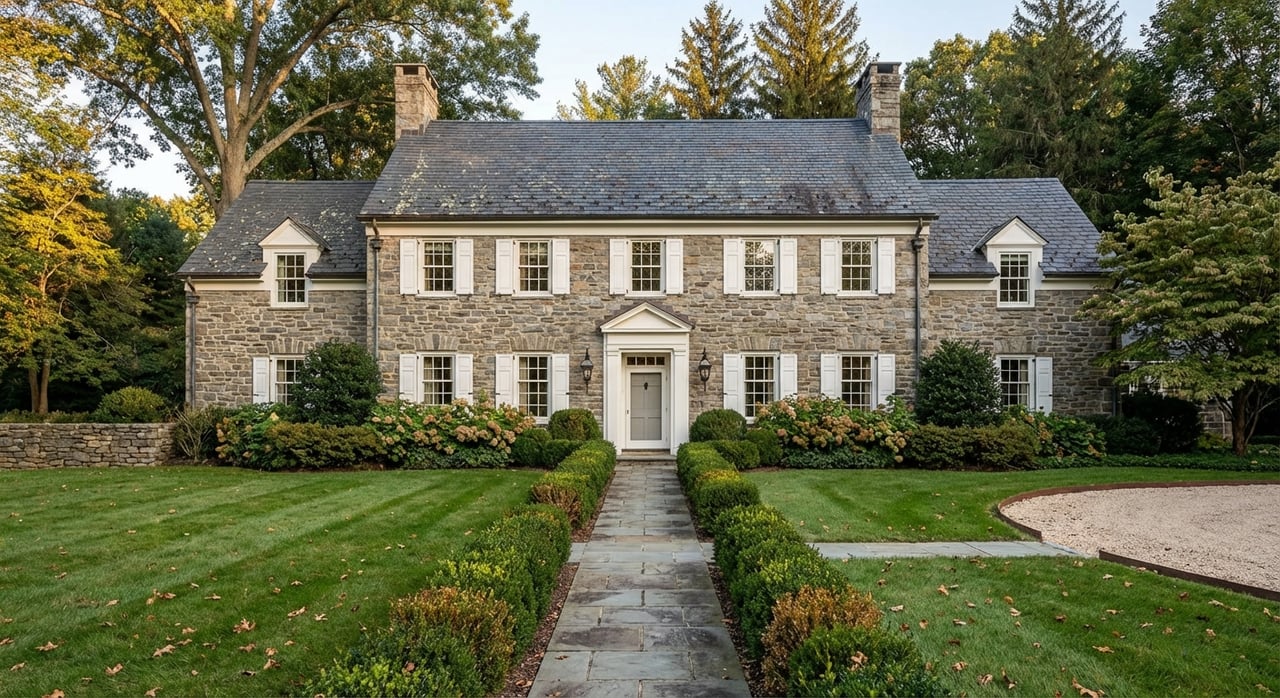
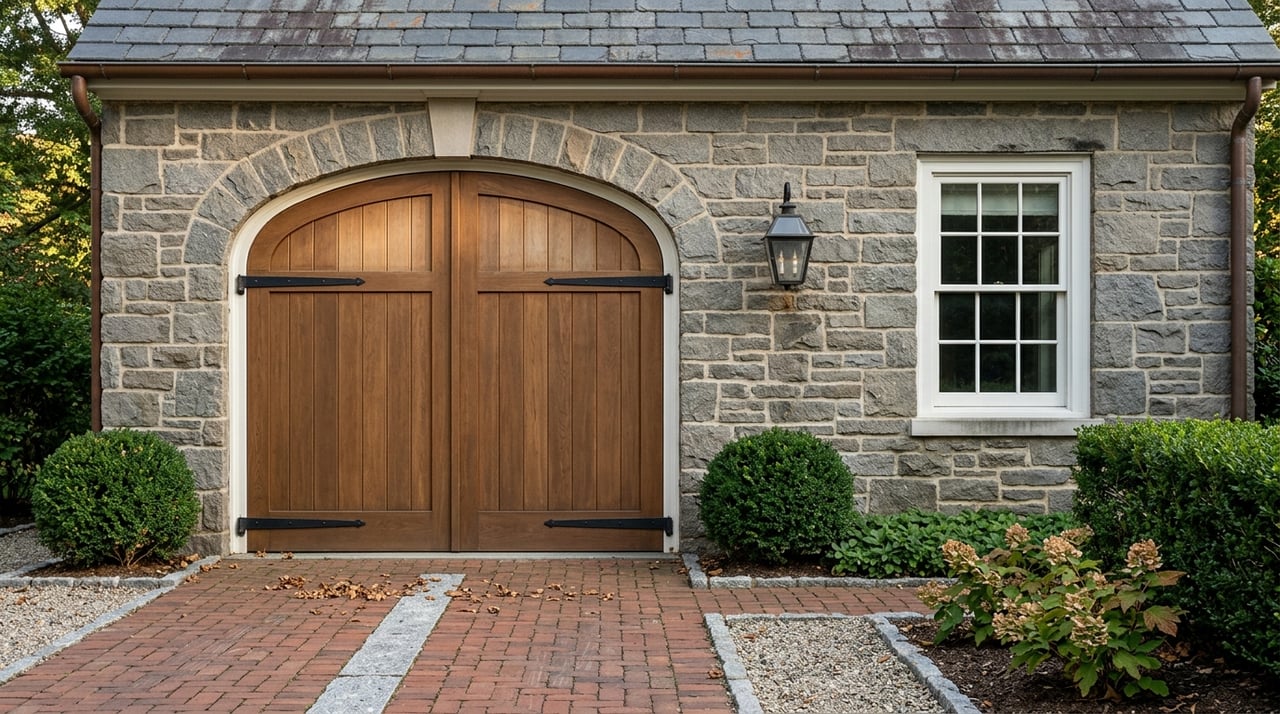
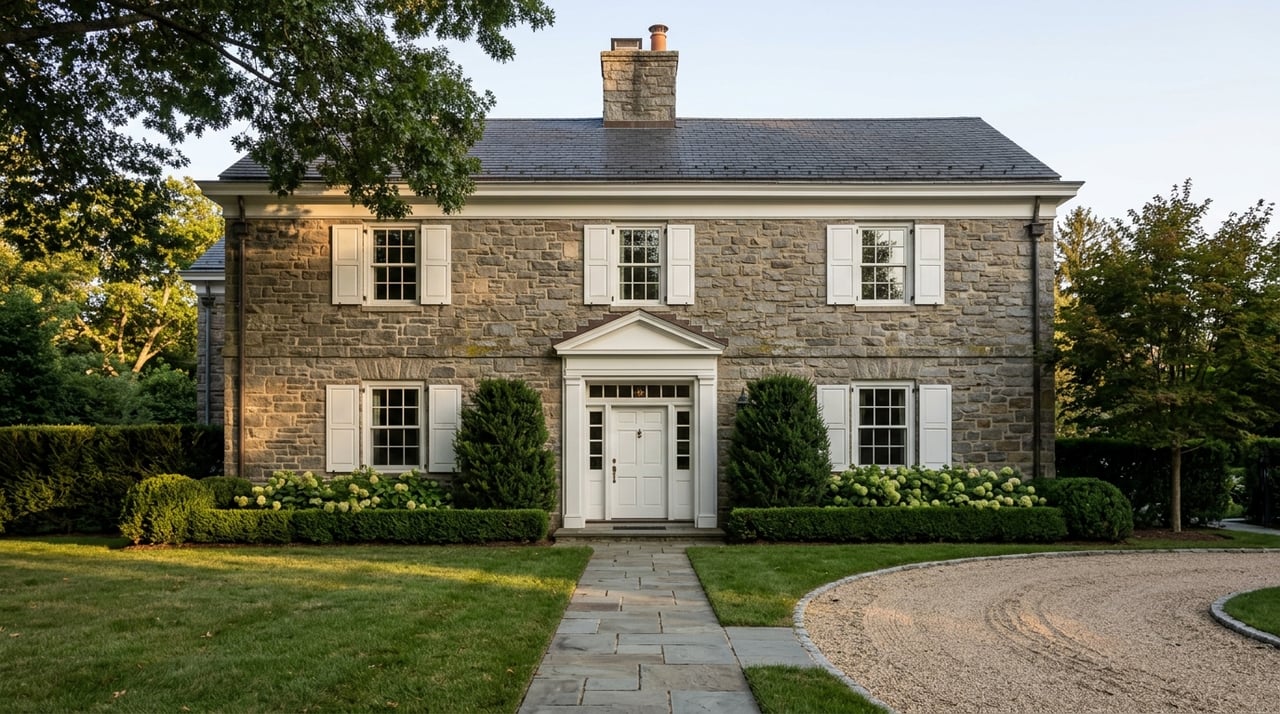
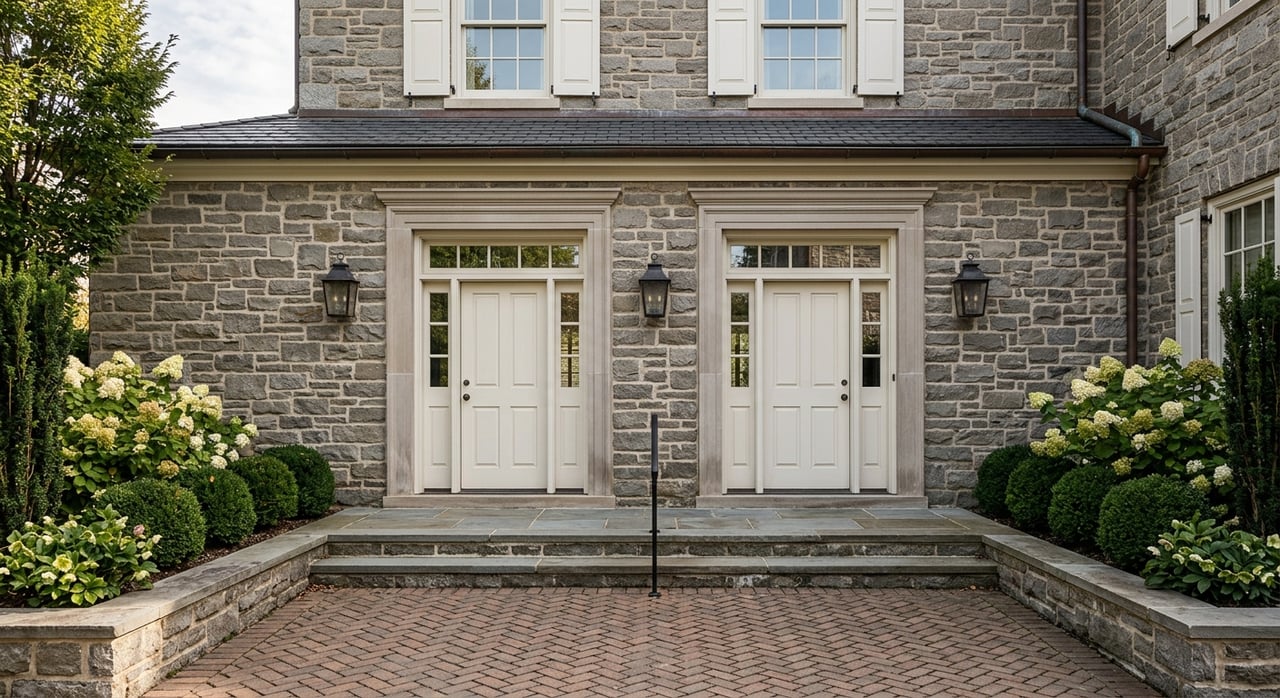
Historic architecture is a big part of Main Line prestige. Stone Colonials, Tudors, and Georgian Revival homes carry both emotional appeal and market value. In Lower Merion’s historic areas, alterations may require review by the local Historical Architectural Review Board. Understanding the Lower Merion HARB process and whether a property is within a review area helps you price correctly as a seller and plan improvements as a buyer. Preservation can be a premium for some, while project restrictions can be a discount for others.
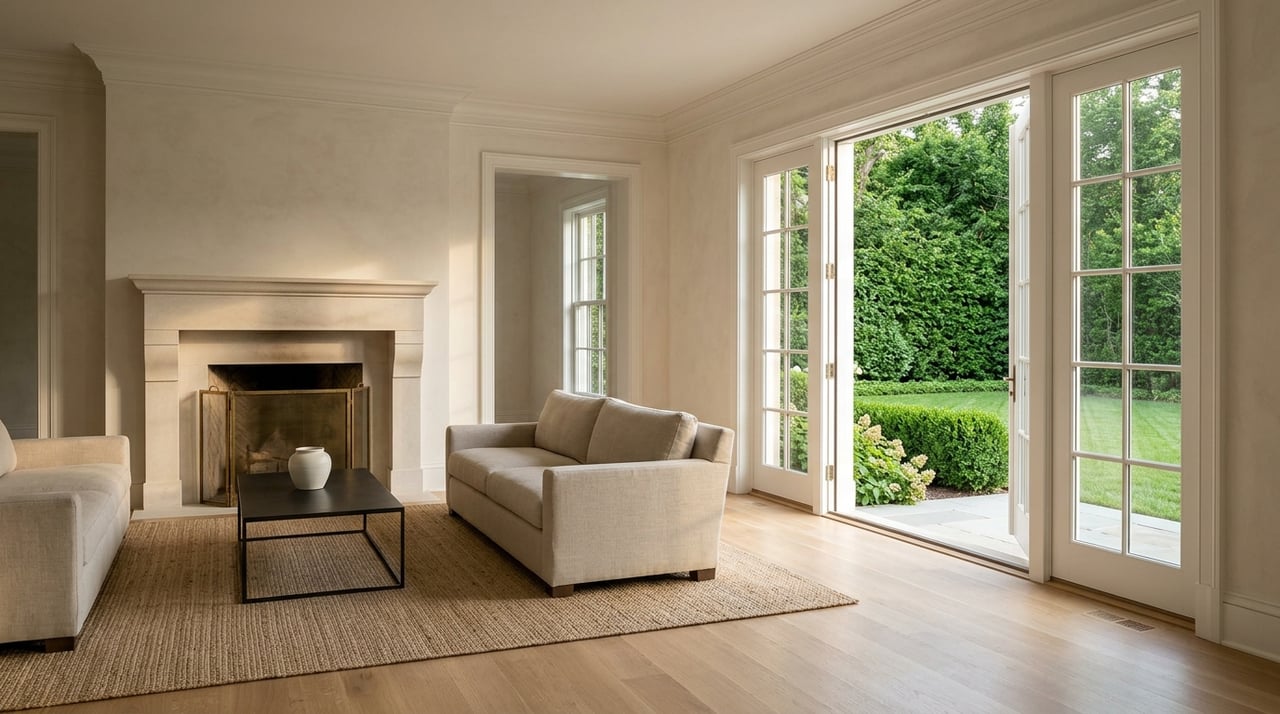
Turnkey homes with updated mechanicals, professional kitchens, and luxury primary suites draw a premium. That said, not every upgrade returns dollar‑for‑dollar. The national Cost vs. Value data indicates midrange projects and strong curb appeal often recoup a larger share of costs, while ultra‑custom work shows variable payback. See the summary of Zonda’s 2024 Cost vs. Value findings that curb appeal still leads ROI in resale decisions (Zonda 2024 Cost vs. Value).
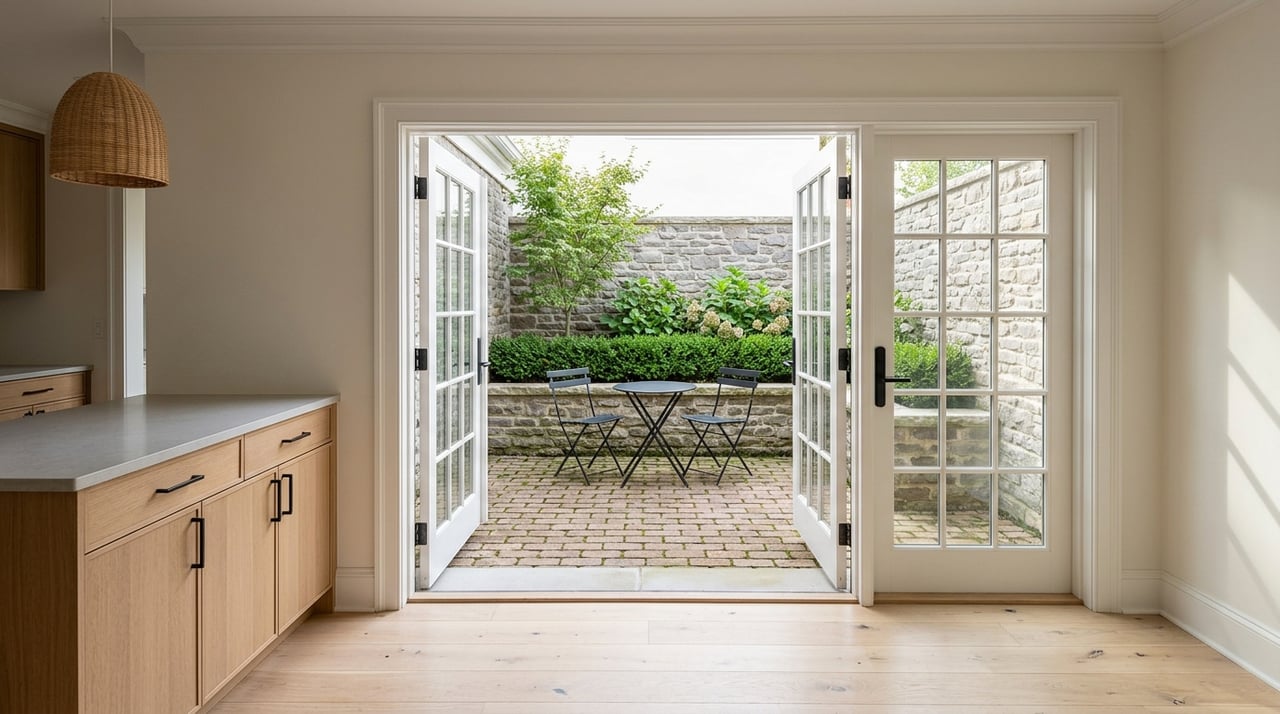
Luxury buyers on the Main Line often pay more for certain features: chef’s kitchens, expansive primary suites, finished lower levels with gyms or theaters, pools or pool houses, guest or carriage houses, indoor‑outdoor flow, and integrated home automation. Since the pandemic, private outdoor space and flexible home offices have carried added weight with affluent buyers. The National Association of Realtors’ luxury resources outline these preference shifts (NAR luxury properties).
The upper bracket behaves differently than entry markets. Cash makes up a larger share of luxury sales, which can soften the impact of interest rate changes for that segment. Low inventory in top enclaves means motivated buyers sometimes stretch for the right home. NAR reporting shows that even when higher rates slow transactions, prices can still rise due to limited supply (NAR: sales and prices). In practice, tight supply plus rare features leads to wider price dispersion.
Effective property tax rates vary across the Main Line’s counties and municipalities. Two similar homes in different taxing jurisdictions can sell for different net prices because buyers capitalize ongoing costs into their offers. For a sense of how property data varies at the local level, review regional datasets such as the Wynnewood section of ATTOM’s Property Navigator (ATTOM property data). Always confirm current figures for a specific address before you write an offer or set a list price.
Floodplains, riparian buffers along creeks and the Schuylkill corridor, conservation easements, and impervious surface limits can affect insurability, future additions, and even day‑to‑day enjoyment. Before you finalize a valuation, check site specifics on the FEMA Flood Map Service Center and review local code or overlay districts. These details can change both carrying costs and long‑term potential.
When two properties look alike at first glance, use this quick checklist to explain a price gap:
For the most accurate read, group the nearest closed sales from the last 6 to 12 months and adjust for the items above. Note whether a comp closed with cash or financing, since terms can influence the final number.
If you are preparing to list in 19096, Gladwyne, Villanova, or Wayne, small strategic steps can deliver outsized returns:
If you are relocating or moving up within the Main Line, sharpen your search with a few focused steps:
Navigating the nuances of Wynnewood and its neighboring luxury enclaves takes hyper‑local knowledge, careful pricing, and polished presentation. If you are weighing a sale or planning a move, a boutique team that combines hands‑on guidance with top‑tier marketing can protect your time and your outcome. For a confidential conversation or a tailored home‑value review, connect with Megan van Arkel.
Stay up to date on the latest real estate trends.
The Megan Van Arkel Team is dedicated to helping you find your dream home and assisting with any selling needs you may have. Contact them today to start your home-searching journey!