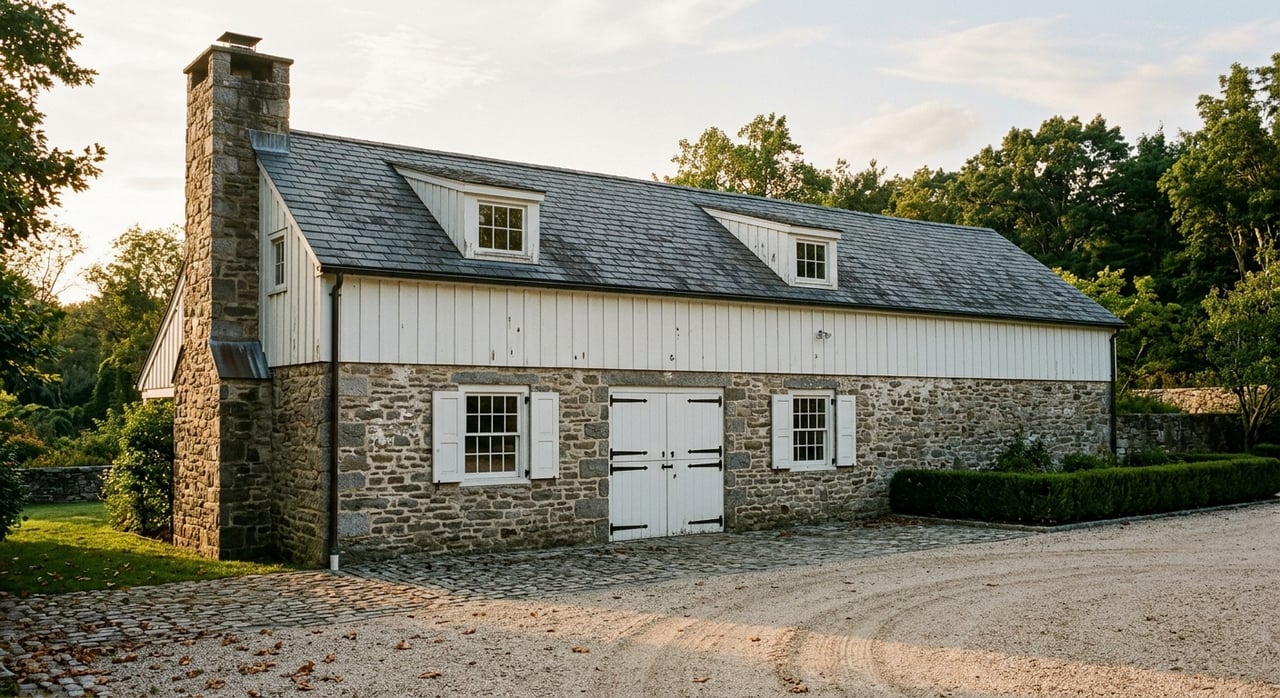
What to Know About Chester County Equestrian Properties
April 16, 2026
April 16, 2026
If you are dreaming about room for horses, open land, and a property that supports a true rural lifestyle, Chester County often rises to the top for good reason. You are not just buying square footage here. You are buying into a landscape shaped by preserved land, an active equine economy, and ownership patterns that reward thoughtful planning. This guide will help you understand what makes Chester County appealing for equestrian and acreage living, what to look for in a property, and what daily ownership can really involve. Let’s dive in.
Chester County offers a rare mix of protected countryside and established horse culture. According to Chester County Planning Commission data, 154,970 acres, or 31.9% of the county, were protected open space as of December 31, 2024. The county also notes that more than 600 farms have been preserved to date.
That level of land preservation matters if you are looking for long views, agricultural character, and a setting that feels meaningfully different from a typical suburban lot. It also helps explain why acreage properties in Chester County often appeal to buyers who want both privacy and a connection to the surrounding landscape.
The equestrian side is equally notable. A county equine information sheet reports about 10,300 horses in Chester County, along with nearly 2,700 jobs tied to the industry. The same source notes 4,110 acres devoted to equine activities in a 2017 survey area, with boarding and training accounting for just over 24% of horse-owner involvement.
In other words, horse properties here are part of a real local ecosystem. They are not simply a niche product sprinkled across the market. That can be especially meaningful if you want a property where barns, paddocks, trailer access, and horse traffic feel like a natural fit for the area.
Some parts of Chester County are especially well known for horse-country character. In East Marlborough and the Unionville area, the township open space and recreation plan highlights places such as Willowdale Steeplechase, Unionville Community Fair and Farm Show, ChesLen Preserve, Myrick Conservation Center, Stateline Woods Preserve, and Plantation Field Equestrian Events as part of the broader local recreation landscape, as outlined in this East Marlborough planning document.
In western Chester County, Warwick County Park includes the Horse-Shoe Trail and sits beside the French Creek landscape. These examples help show that equestrian living in Chester County is tied to recognizable corridors and land-use patterns, not just individual homes with extra acreage.
If you are searching in ZIP code 19382 or across wider Chester County, understanding these patterns can help you narrow your focus. Some properties offer a more estate-like feel with room to spread out, while others are better aligned with active horse use, nearby riding resources, or established rural road networks.
A beautiful barn and a few fenced fields can be appealing at first glance, but horse properties require more than curb appeal. Penn State Extension explains that horse-farm design is really a package that includes stables, ventilation, manure handling, flooring and drainage, fencing, and arena planning.
That matters because the land and layout often affect day-to-day function as much as the home itself. You want to think about how horses move through the property, how water drains after storms, where equipment or trailers can turn around, and whether turnout areas can hold up in wet conditions.
Chester County’s own equine resources also emphasize manure management, pasture management, and erosion control. Those are not small details. They are part of what makes a property practical and sustainable over time.
One of the most common questions buyers ask is how much land they need. The answer depends on how the property will be used and how intensively it will be managed.
Penn State notes in its pasture and hay guidance that at least one acre of good-quality pasture per horse may be appropriate in some situations. Another Penn State recommendation says 2 to 4 acres per horse may be needed if horses are outside all the time and the goal is to avoid overgrazing.
That range is important. A property with five acres may work very differently depending on soil quality, pasture condition, turnout schedule, and whether you rely on rotational grazing or supplemental hay.
When you tour acreage or equestrian properties, a practical checklist can help you look beyond aesthetics.
Penn State’s fence planning guidance for horses stresses that fencing should be chosen with horse behavior and safety in mind. Its materials on horse property management also reinforce that manure handling works best when it is planned into the site from the start, not added as an afterthought.
This is one of the most important distinctions a buyer can make. A property that works well for your own horses may not be the right fit if you intend to board outside horses.
Penn State’s boarding horses guide treats boarding as a commercial use that can affect privacy, insurance, zoning, and manure planning. That means your search criteria should be different depending on whether you want a private family property or a more business-oriented setup.
If your goal is personal use, you may prioritize ease of maintenance, manageable acreage, and a layout that supports your riding routine. If you are considering boarding, you will likely need to evaluate infrastructure, traffic flow, operational demands, and how the use fits with the property’s setting.
For many buyers in Chester County, clarity on this point early in the search can save time and avoid costly mismatches.
Trail access is often part of the appeal of acreage living, but it is important not to assume that every nearby trail or preserve allows horseback riding. Access varies by location and trail type.
Chester County’s Trailfinder and 2025 Trails Master Plan update notes that the county has more than 550 miles of publicly accessible trails. That broader network adds meaningful recreational value across the county.
At the same time, the county’s equestrian FAQ makes clear that horseback riding is allowed on the unpaved Schuylkill River Trail, but not on paved regional trails such as the Chester Valley Trail. The county also says all county parks have some internal trails suited to horseback riding except Wolf’s Hollow.
That same FAQ notes that horse-trailer parking at Nottingham County Park is limited and can be affected by weather and ground conditions. This is a good reminder that access is not just about maps. It is also about practical details on the ground.
Even within established horse-country areas, riding access is not the same everywhere. The East Marlborough planning document lists ChesLen Preserve, Myrick Conservation Center, and Stateline Woods Preserve as places with horseback riding access. It also notes that Laurels Preserve is members-only and does not permit horse trailers.
If trail riding is part of your lifestyle, it is worth understanding exactly what kind of access a given area offers. Public access, trailer rules, parking conditions, and permitted uses can all vary.
One of the biggest mindset shifts with acreage and equestrian living is that the property changes with the seasons. Chester County horse properties function as working landscapes, and the year often revolves around pasture health, footing, and weather.
Penn State’s seasonal pasture management guidance recommends keeping horses off pastures when grass is not growing and using a stress lot or winter pasture instead. It also advises against spreading manure on frozen or snow-covered ground.
Wet winter conditions can damage soil and roots, which can slow spring recovery. If you are buying acreage, it helps to think about winter not as downtime, but as a management season that affects how the property performs later in the year.
Spring may look easy, but it comes with its own decisions. Penn State recommends waiting until grass reaches roughly 5 to 6 inches before grazing and introducing spring grass gradually because new growth can be high in sugars and starches.
As growth speeds up, rotation and mowing become more important. A property with multiple paddocks may offer more flexibility during this period than a simpler setup with fewer divisions.
Cool-season pastures often slow down during hot, dry weather. That can mean relying more on hay or a dry lot while paddocks recover.
Penn State also notes that late summer into early fall is the preferred time in Pennsylvania to seed cool-season grasses. For owners, that makes the second half of the year a key planning period for next season’s pasture performance.
County trail use also shifts with the weather. Chester County park staff note on the county’s equestrian resources page that equestrian parking can be affected by weather and ground conditions, which makes mud, thaw, and storm cycles part of the ownership experience.
If you are considering equestrian or acreage living in Chester County, it helps to approach the search with both lifestyle goals and property function in mind. The right property should fit how you plan to live on the land, not just how it looks in photos.
A smart search often starts with a few practical questions:
For luxury buyers, estate-scale properties in Chester County can offer extraordinary privacy, scenery, and flexibility. But the strongest long-term fit usually comes from matching the home, the land, and the infrastructure to your actual plans.
If you are exploring horse properties, acreage homes, or estate opportunities in Chester County, working with a team that understands both property presentation and lifestyle fit can make the process far more efficient. When you are ready to discuss your goals, connect with Megan van Arkel for thoughtful, discreet guidance tailored to your move.
Stay up to date on the latest real estate trends.
The Megan Van Arkel Team is dedicated to helping you find your dream home and assisting with any selling needs you may have. Contact them today to start your home-searching journey!