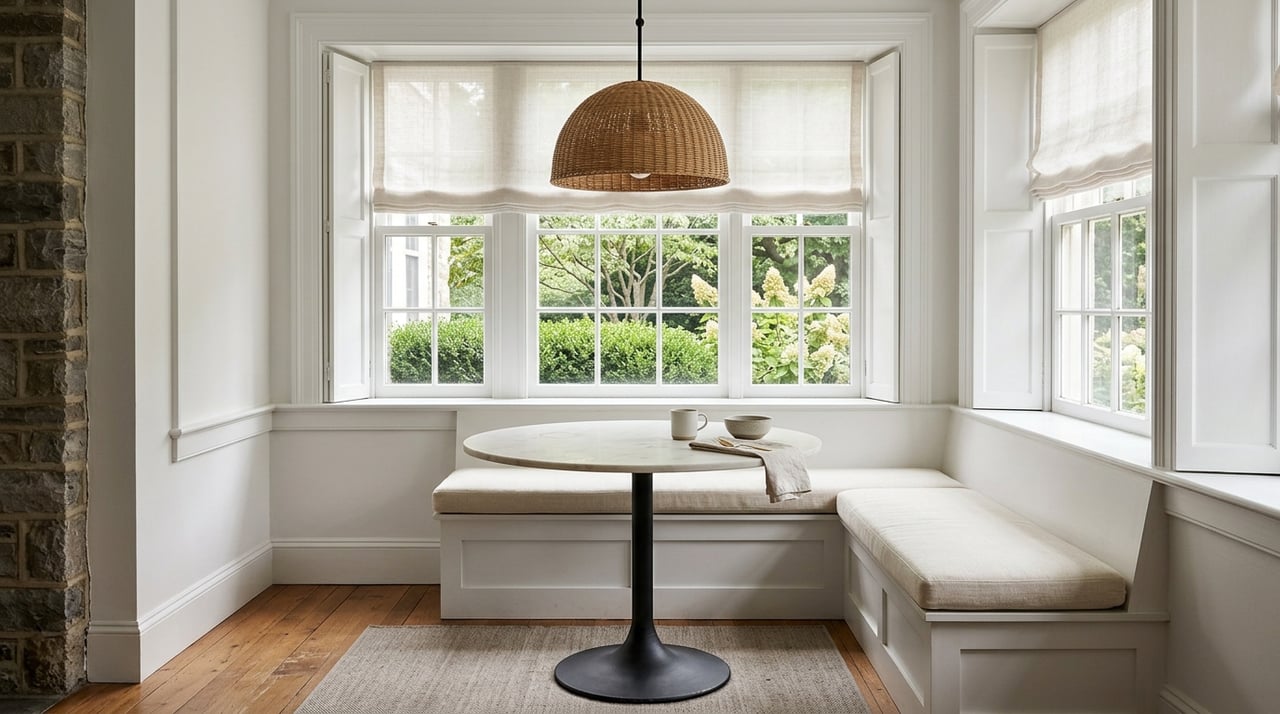
Chestnut Hill Historic Homes for Everyday Living
May 21, 2026
May 21, 2026
If you love older homes but worry they may be harder to live in day to day, Chestnut Hill offers a compelling answer. This Philadelphia neighborhood blends historic architecture with practical routines like commuting, shopping, dining, and getting outside. If you are considering a move here or preparing to sell, understanding how historic character shapes daily life can help you make smarter decisions. Let’s dive in.
Chestnut Hill is not defined by one style or one period. Much of the neighborhood sits within the Chestnut Hill Historic District, which was listed on the National Register of Historic Places in 1985 and includes more than 2,600 buildings dating from 1744 to the present.
That long timeline matters because it explains why the area feels layered rather than uniform. You will find estate-scale homes, smaller historic residences, adapted commercial buildings, and later infill existing side by side, all shaped by the neighborhood’s history as an early streetcar suburb.
One of the biggest misconceptions about Chestnut Hill is that it is only a neighborhood of grand houses. In reality, its development included both summer homes for affluent Philadelphians and more modest housing for workers and craftsmen.
That mix still shows up in the housing stock today. The result is a neighborhood where architectural beauty is not limited to one home size or one price point, which adds depth to the streetscape and broadens the appeal for buyers who value historic character.
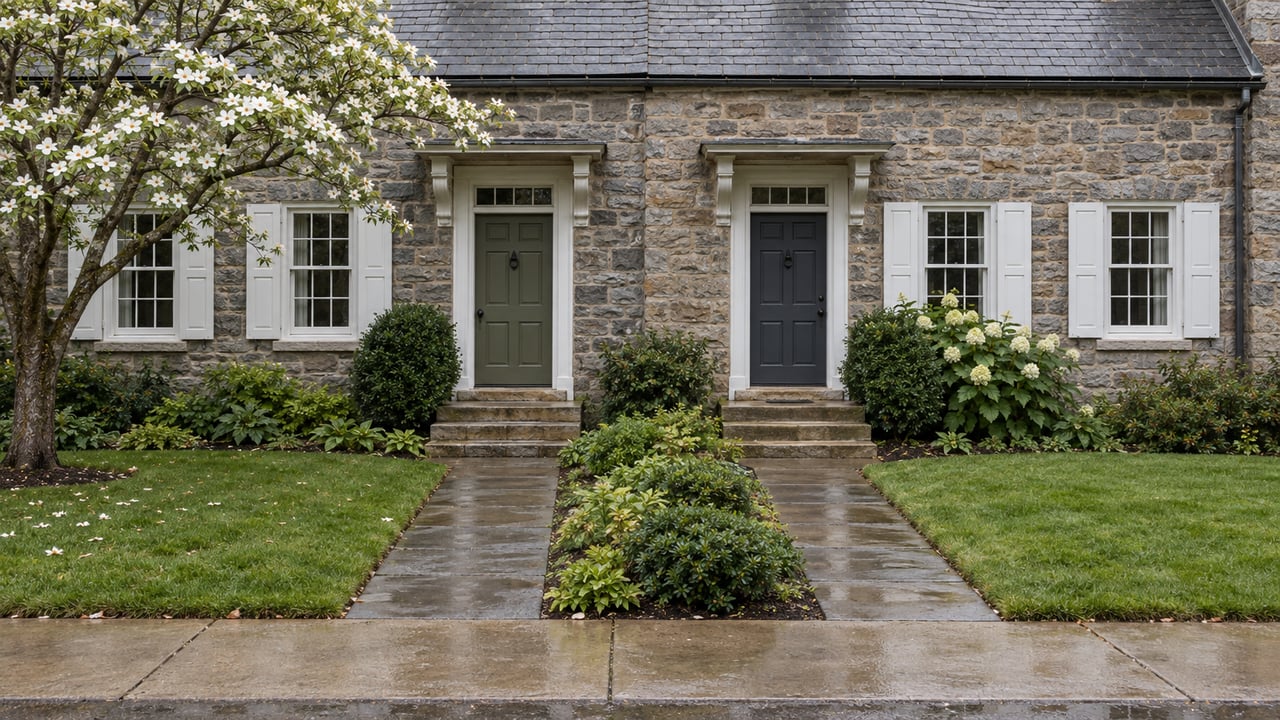
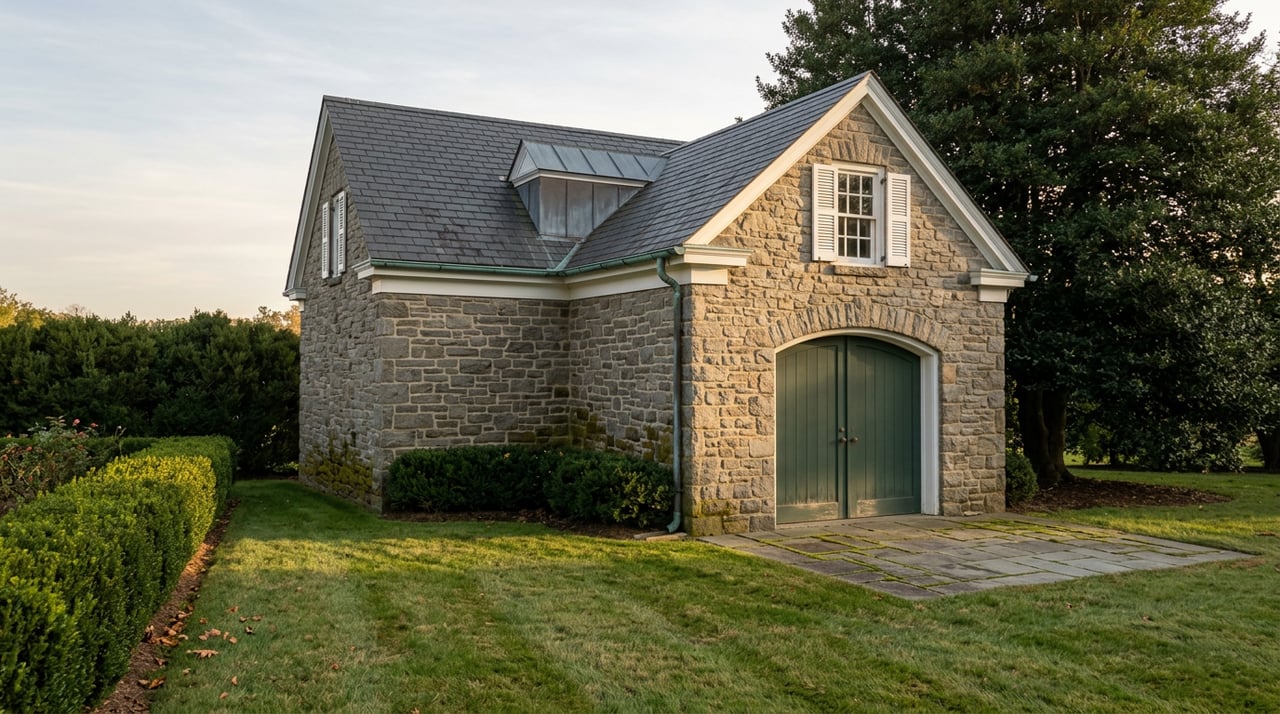
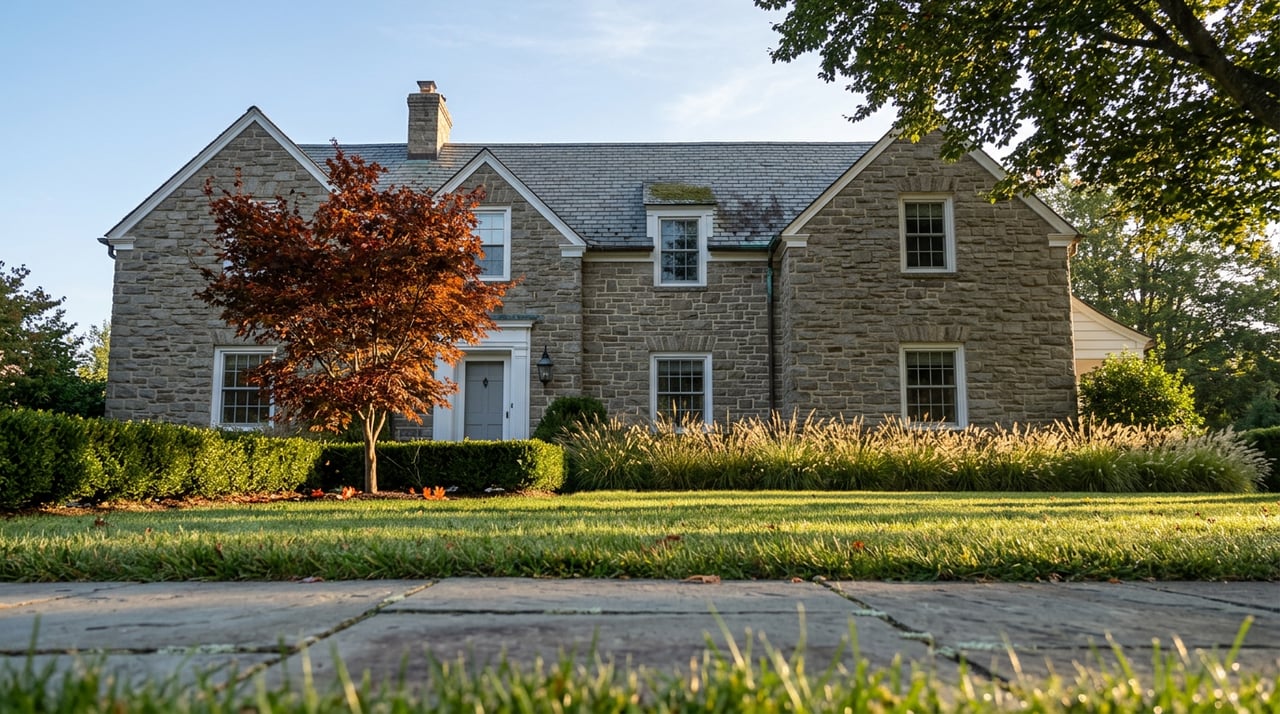
Chestnut Hill’s visual identity comes from materials and craftsmanship as much as from architectural labels. Across the historic district, you can see early stone and stucco dwellings along with Second Empire, Colonial Revival, Cotswold, Tudor, Dutch Colonial Revival, and French or Norman influences.
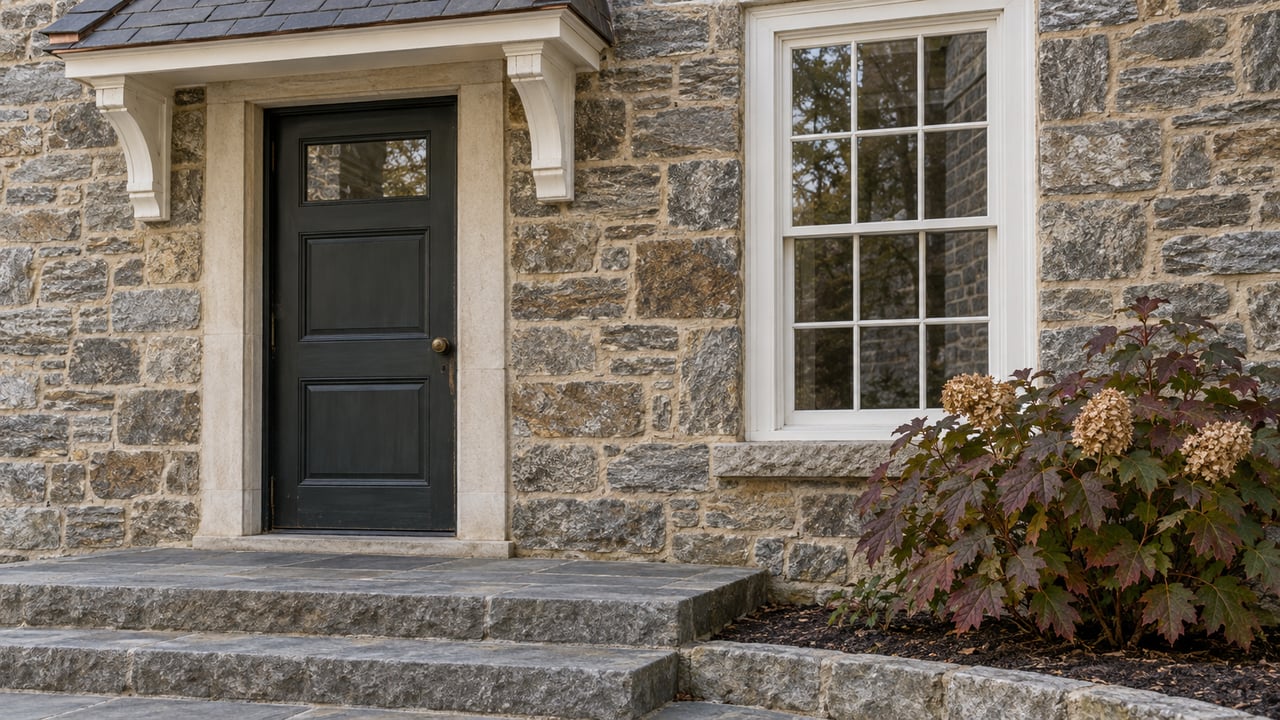
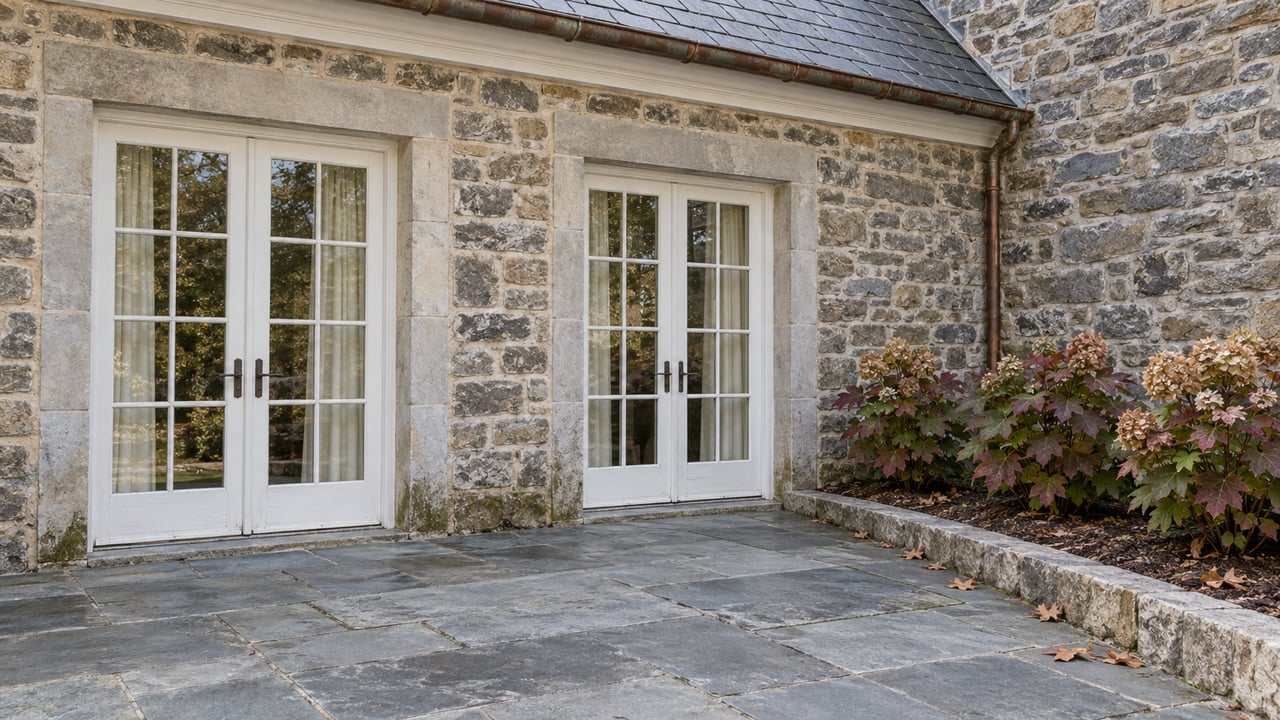
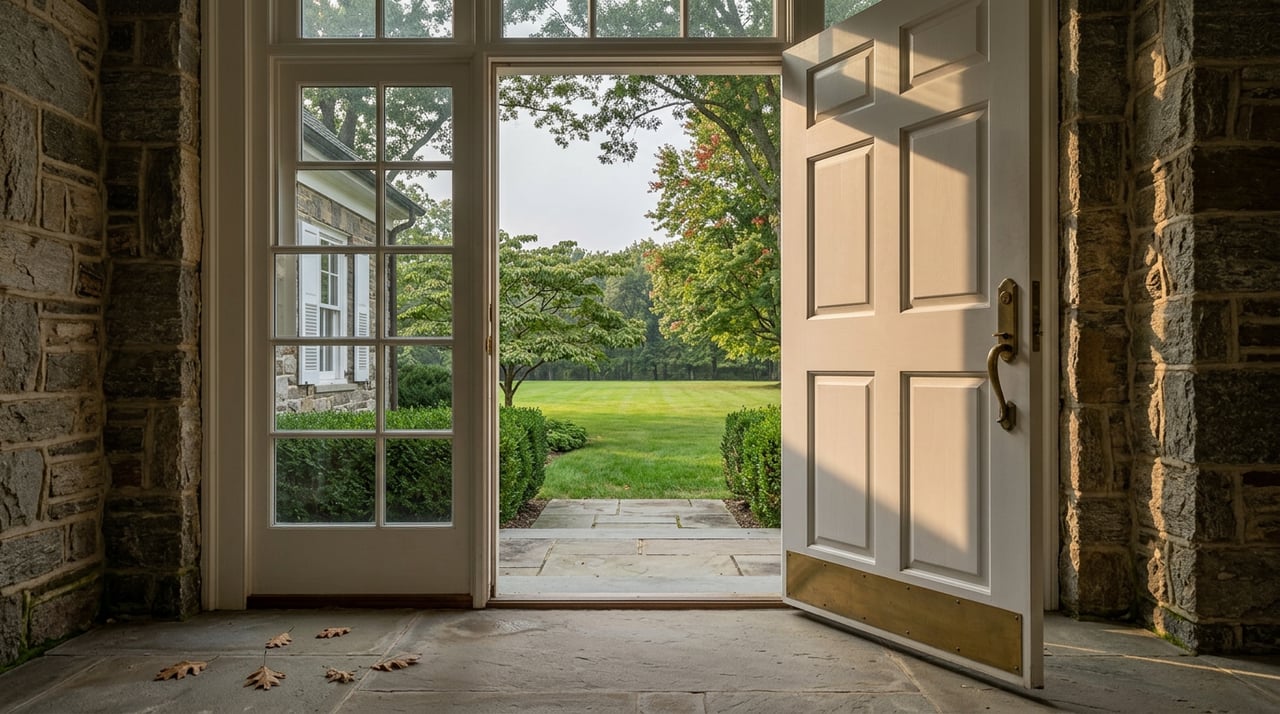
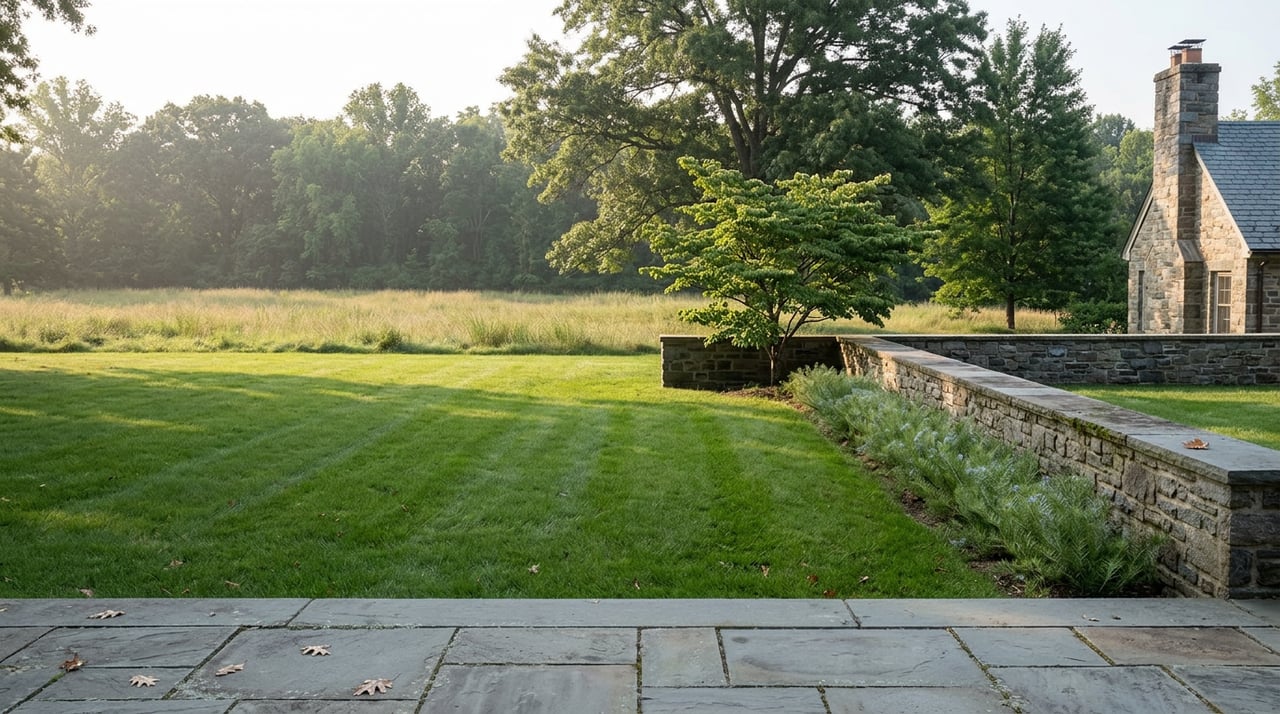
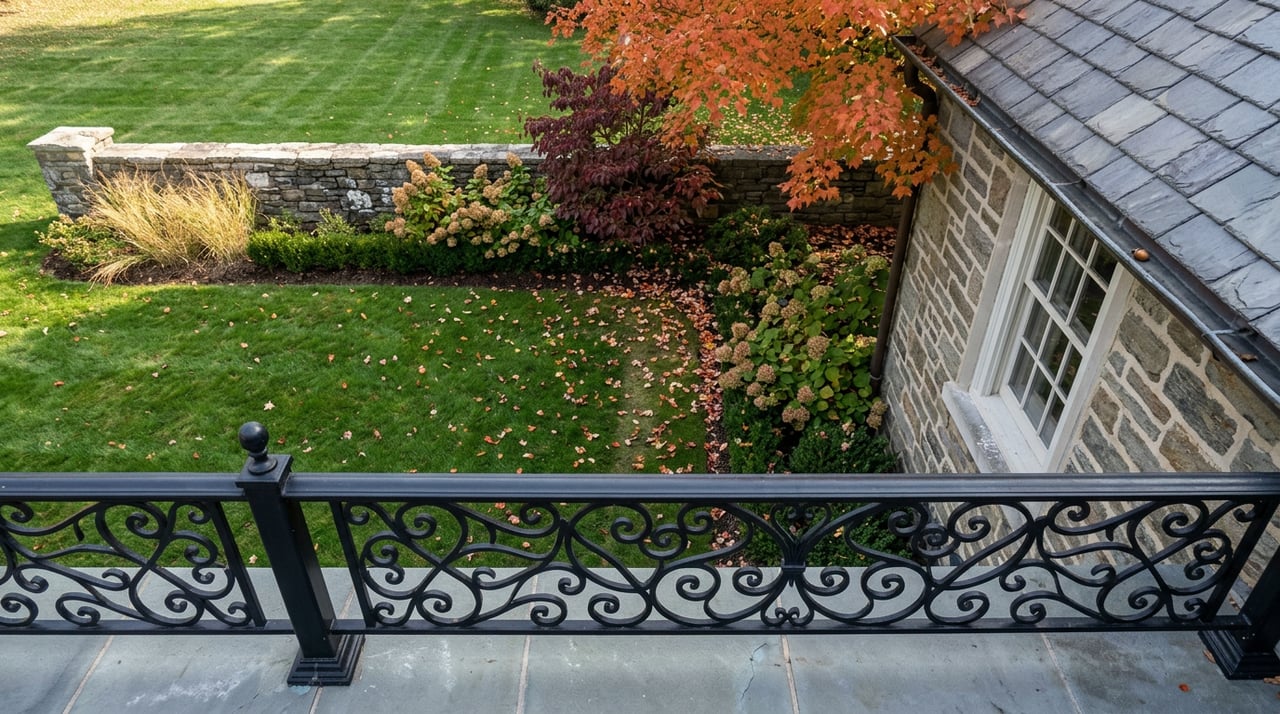
Common features help tie these homes together visually. Stone lintels and sills, dormers, porticos, bracketed cornices, and arched openings all contribute to the neighborhood’s familiar stone-and-shadow look.
In Chestnut Hill, the setting matters almost as much as the buildings themselves. The neighborhood is framed by the Wissahickon Gorge and Cresheim Valley, and its historic character includes gardens, ornamental walls, fences, fountains, traffic islands, and plantings built from local materials.
That green identity remains part of everyday life today. Local stewardship groups continue to support preservation, conservation, and seasonal plantings that help the neighborhood feel cared for and connected to its natural edges.
If you want to understand Chestnut Hill quickly, walk Germantown Avenue. It is the spine of the neighborhood and one of the clearest places to see how historic buildings and modern routines work together.
Along the avenue, building histories range from houses and storefront clusters to a stone barn now used as Market at the Fareway and civic landmarks such as the Free Library branch and the Chestnut Hill West station. This mix gives the area a lived-in village feel rather than the atmosphere of a preserved showpiece.
Chestnut Hill works well for people who want charm without giving up convenience. The neighborhood is walkable, served by SEPTA’s Chestnut Hill East and West Regional Rail lines and several bus routes, and home to more than 200 independent businesses.
That means your daily routine can include a train commute, a quick errand on Germantown Avenue, or a walk through a nearby green space without leaving the neighborhood. For many buyers, that balance is a major part of the appeal.
Historic homes often feel more livable when the surrounding neighborhood gives you room to breathe. In Chestnut Hill, that includes easy access to Wissahickon Valley Park, Morris Arboretum, and Pastorius Park.
These nearby spaces add more than scenic value. They help support the neighborhood’s rhythm of everyday walks, outdoor time, and a stronger connection between residential streets and the broader landscape.
A historic neighborhood can feel static if it only celebrates its past. Chestnut Hill avoids that through year-round activity in its commercial core, including events such as the Home & Garden Festival, Chestnut Hill on Ice, Fall for the Arts Festival, and Holidays on the Hill.
These events help reinforce that Chestnut Hill is not just visually attractive. It is an active neighborhood where public spaces and local businesses stay part of daily life throughout the year.
If you are buying or selling in Chestnut Hill, one important point is that not every property is regulated in the same way. Some homes are part of the broader historic fabric, while others are individually listed on the Philadelphia Register of Historic Places.
That distinction matters because local preservation obligations are property-specific. A home’s address and designation status can affect what kinds of exterior changes require review and approval.
For properties on the Philadelphia Register, many exterior changes require approval from the Philadelphia Historical Commission. That can include work involving windows, roofs, masonry, porches, fences, driveways, and mechanical equipment.
Routine maintenance and ordinary gardening or landscaping generally do not require review unless historic features are being altered. In practical terms, this means exterior projects often take more forethought than they would in a nonhistoric setting.
Historic ownership in Chestnut Hill does not mean a home must remain untouched. Rehabilitation standards support making a historic property usable through repairs, alterations, and additions while preserving the features that give it historic value.
That creates room for thoughtful modernization. Owners can update homes for current living needs, but visible exterior work usually calls for stronger planning, better documentation, and a design approach that respects the original character.
For buyers, Chestnut Hill offers a rare combination of architecture, greenery, and village-style convenience. You are not choosing between beauty and function. In many cases, you can have both, as long as you understand the preservation context and the housing mix.
For sellers, the same qualities can strengthen a home’s appeal. Historic details, mature landscaping, walkability, and proximity to transit and green space all help tell a more complete story about how the home lives, not just how it looks.
If you are considering a purchase or planning a sale, it helps to focus on a few practical questions:
These questions can help you see beyond surface appeal. In a neighborhood like Chestnut Hill, value often comes from the relationship between the house, the block, and the broader historic landscape.
Chestnut Hill’s historic homes are appealing because they support a real, everyday lifestyle. Stone facades, period details, planted streetscapes, transit access, and a busy village core all work together to create a neighborhood that feels rooted but still active. If you are thinking about buying or selling in the Philadelphia area and want a clear, tailored perspective on character-driven homes, connect with Megan van Arkel.
Stay up to date on the latest real estate trends.
The Megan Van Arkel Team is dedicated to helping you find your dream home and assisting with any selling needs you may have. Contact them today to start your home-searching journey!