Planning Your Move From Center City to Chestnut Hill
June 4, 2026
June 4, 2026
Thinking about trading Center City energy for a little more space, greenery, and breathing room without leaving Philadelphia behind? If you are considering a move to Chestnut Hill, you are likely weighing more than square footage. You are comparing two very different daily rhythms. This guide will help you understand what changes, what stays convenient, and how to plan the move with fewer surprises. Let’s dive in.
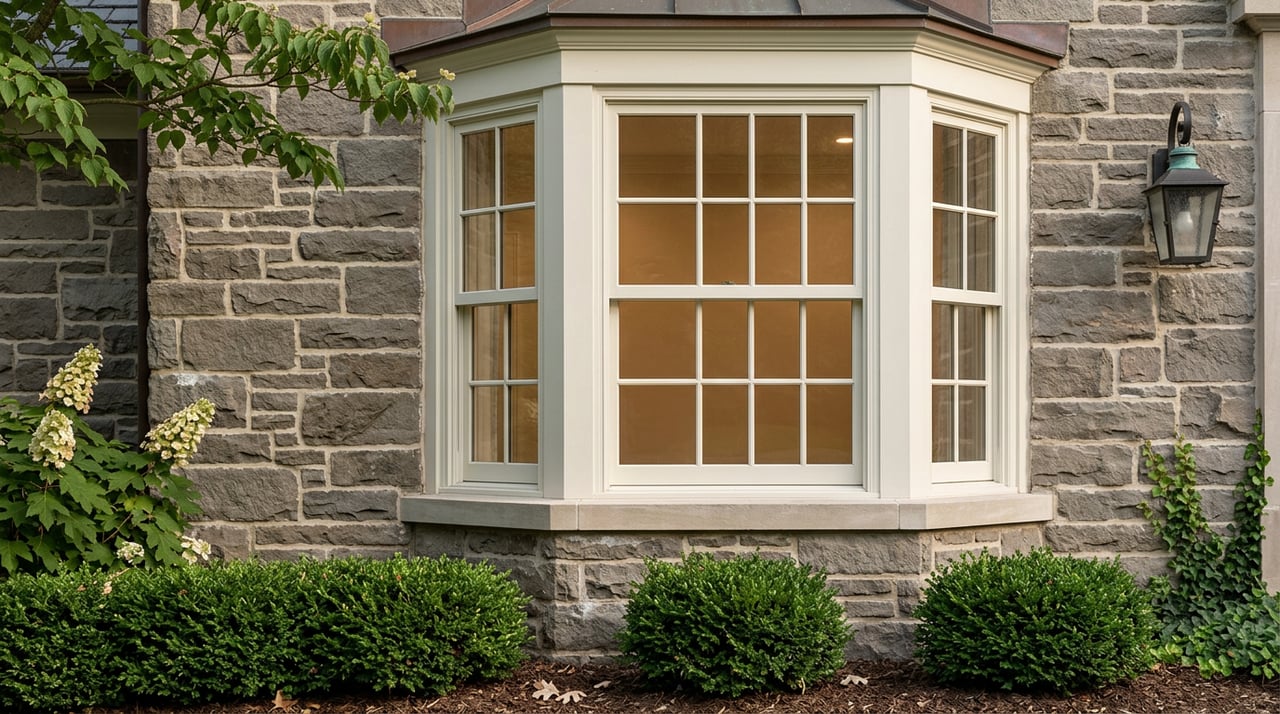
Moving from Center City to Chestnut Hill is less about leaving the city and more about changing your pace. Chestnut Hill sits at the northwest edge of Philadelphia and is often described as Philadelphia’s Garden District. It is also part of the National Register of Historic Places, with a setting shaped by greenery, walkability, and distinctive architecture.
For many buyers, the biggest shift is the feel of everyday life. Instead of a downtown grid, your routine starts to center around Germantown Avenue and a more residential streetscape. You still have city access, but your surroundings can feel calmer, greener, and more village-like.
The neighborhood’s business district reflects that identity. Chestnut Hill is organized around community, culture, creativity, and connection, with more than 200 local retailers, restaurants, galleries, and organizations. That means your day-to-day errands, coffee stops, and weekend plans can stay close to home.
Chestnut Hill’s central thoroughfare is Germantown Avenue, known for its cobblestoned character and mix of shops, restaurants, and boutiques. If you are used to Center City convenience, this is one reason the transition can feel easier. You still have a walkable main street, just with a different pace and setting.
The area also has a steady calendar of local events. Visit Philadelphia highlights recurring favorites like the Home + Garden Festival, Fall for the Arts Festival, Stag + Doe nights, and First Friday arts programming. Those events help create a neighborhood rhythm that feels active without feeling rushed.
One of the appealing parts of Chestnut Hill is how easy it is to fill a weekend close to home. The Chestnut Hill Farmers’ Market operates every Saturday year-round, and the neighborhood also offers galleries, theaters, and local institutions like Woodmere.
For a Center City buyer, that can be a meaningful lifestyle upgrade. Instead of planning every outing around downtown, you may find that shopping, dining, and cultural stops are already built into your neighborhood routine.
Outdoor access is one of the clearest differences between Center City and Chestnut Hill. The neighborhood sits just north of Wissahickon Valley Park, and Visit Philadelphia also points to Morris Arboretum & Gardens, a 92-acre attraction nearby.
The Philadelphia Water Department describes the Wissahickon watershed as a broad network of preserved lands and parks. In practical terms, that means you are moving closer to trails, trees, and open space that can become part of your regular routine, not just an occasional destination.
For many buyers, this is the deciding factor. SEPTA says Chestnut Hill is about 25 minutes from Center City Philadelphia, and the neighborhood is served by both the Chestnut Hill West and Chestnut Hill East Regional Rail lines.
Those rail lines connect through major Center City stations, including Suburban Station and Jefferson Station. Current routing also includes stops such as 30th Street and Temple University, giving commuters several access points depending on where they work or connect.
That said, the practical answer is not just about map time. SEPTA currently reports reduced service on both Chestnut Hill rail lines. SEPTA also notes that reconstruction work at Chestnut Hill East is ongoing through summer and fall 2026, with parking reduced to 10 spaces in the north lot.
If you expect to travel into Center City regularly, test the exact trip before you buy. Try it at the time you would actually leave for work, and check live schedules instead of relying on general expectations.
This matters even more if you are comparing the move to a Center City lifestyle where transit is already part of your routine. Chestnut Hill remains a viable option for Center City access, but current rail conditions make real-time planning essential.
For many daily errands, Chestnut Hill supports a walkable lifestyle. The neighborhood’s main-street layout, local businesses, and service core make it possible to handle a lot close to home.
At the same time, it is not fully car-free. Visit Philadelphia notes metered street parking and several parking lots along Germantown Avenue, which tells you something important about how the neighborhood functions. Many residents may enjoy walkability while still keeping a car for flexibility.
If you are moving from Center City, that middle ground may actually be the adjustment. You may drive less than you would in many suburban settings, but you may still want a car depending on your commute, your schedule, and how often you travel beyond the Hill.
Before you fall in love with the setting, think about how you actually spend your week. If your ideal day includes a walkable business district, local shopping, neighborhood events, and easy access to trails and parks, Chestnut Hill may fit naturally.
If your daily routine depends on very frequent downtown transit and a fully car-light lifestyle, take time to pressure-test that assumption. The neighborhood offers strong access, but current SEPTA service levels and station conditions should be part of your decision.
A move from Center City to Chestnut Hill is often a logistics exercise as much as a real estate decision. Closing is the final step in the homebuying process, and financing, inspections, closing, and moving dates all need to stay aligned.
If you are renting in Philadelphia now, review your lease early. The City of Philadelphia states that for certain leases under one year, including leases that convert to month-to-month, a landlord must show good cause and provide at least 30 days’ written notice to terminate or not renew the lease.
That does not mean every renter will have the same timeline, but it does mean you should understand your lease terms before you schedule a move. A well-planned transition can help you avoid overlap, rushed packing, or a gap between move-out and closing.
One of the smartest things you can do is keep your major dates on one calendar. Include your financing milestones, inspection period, closing date, lease notice requirements, mover availability, and first commute test.
This is especially important if you are trying to coordinate a Center City apartment move-out with a Chestnut Hill closing. When your dates live in one place, it becomes much easier to spot timing conflicts before they become expensive problems.
For the right buyer, Chestnut Hill offers a rare mix. You can stay connected to Philadelphia while shifting into a neighborhood with more greenery, a strong local business district, and a daily pace that feels more residential.
That combination is what makes the move compelling. You are not giving up city access. You are choosing a different version of city living, one with trails nearby, a village-style main street, and a weekend routine that can feel both active and relaxed.
If you are considering the transition, the best next step is not just browsing listings. It is understanding how the neighborhood fits your schedule, your commute, and the kind of life you want your next home to support.
If you are planning a thoughtful move and want experienced guidance on timing, strategy, and the transition itself, connect with Megan van Arkel for a personalized conversation.
Stay up to date on the latest real estate trends.
The Megan Van Arkel Team is dedicated to helping you find your dream home and assisting with any selling needs you may have. Contact them today to start your home-searching journey!