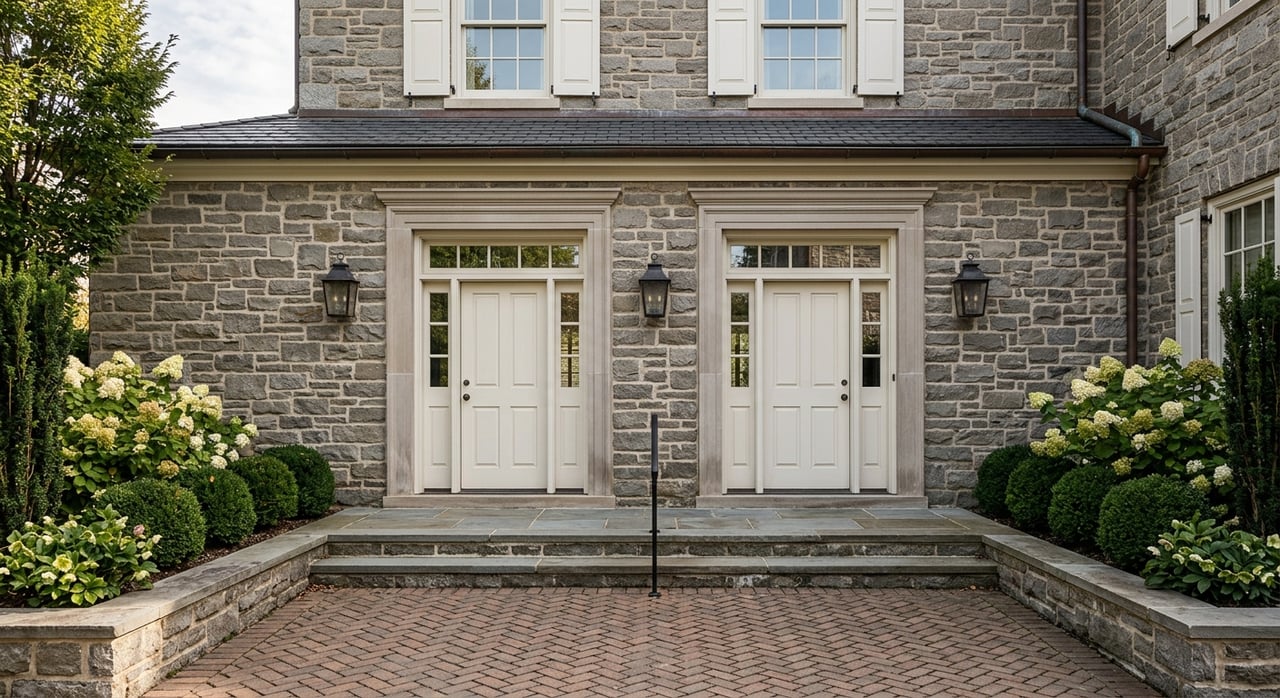
Chestnut Hill Condos for Downsizers: Condo or Townhome?
May 28, 2026
May 28, 2026
If the idea of maintaining a large house no longer fits the way you want to live, Chestnut Hill may feel like a smart next chapter. Many downsizers want less upkeep without giving up charm, green space, walkability, or easy access into the city. In Chestnut Hill, condos and townhomes offer several ways to simplify your home life while staying connected to daily conveniences. Let’s take a closer look.
Chestnut Hill is often known as Philadelphia’s Garden District, and it stands out for its historic setting, mature trees, and neighborhood character. It also sits at the city’s highest point and is part of the National Register of Historic Places, which helps explain its distinct look and feel.
For many buyers, the biggest draw is how livable the neighborhood feels day to day. Germantown Avenue is lined with more than 200 independent businesses, and the Chestnut Hill Community Association notes that parks and green spaces are within walking distance from almost anywhere in the neighborhood.
That mix matters when you are downsizing. You may want a smaller footprint, but you may still care deeply about having places to walk, dine, shop, and spend time outdoors. Chestnut Hill offers that balance.
Transit access also adds convenience. SEPTA describes Chestnut Hill as about 25 minutes from Center City, with service from Chestnut Hill West and Chestnut Hill East rail lines, plus several bus routes.
Chestnut Hill condo inventory tends to be more boutique than high-rise. Current listings point to a market shaped by smaller buildings and historic conversions rather than large tower-style communities.
That can be appealing if you want a more private feel. In recent listings, condo sizes range from about 728 square feet to roughly 3,600 square feet, so the options are broader than many buyers expect.
One West at 1 W Hartwell Lane is a good example of the neighborhood’s newer boutique condo style. Built in 2017, it has 20 units and shows how Chestnut Hill can offer a low-maintenance lifestyle with more upscale finishes and conveniences.
A current two-bedroom listing there offers 1,330 square feet, garage parking, and a $710 monthly HOA fee. A current penthouse listing shows a much larger layout of about 3,006 square feet, private elevator access, an 1,800-square-foot terrace, and a $1,755 monthly condo fee.
For a downsizer, this highlights an important point. In Chestnut Hill, condo living does not always mean compact living. Some properties are designed for buyers who want fewer maintenance demands but still want substantial space.
Evergreen Place at 8610 Evergreen Place reflects the simpler end of the condo market. This newer building has seven residences and is marketed around maintenance-free living near both the train and Germantown Avenue.
A current one-bedroom unit offers 728 finished square feet and a $295 monthly condo fee. That fee includes common-area maintenance, building maintenance, insurance, management, parking, reserve funds, snow removal, and trash.
This kind of setup can be attractive if you want a true lock-and-leave option. It also shows why comparing condo fees requires context, not just the monthly number.
If you want a property with architectural character, Chestnut Hill also offers historic conversion opportunities. At Anglecot, a current listing describes the largest condo residence in the community at 2,818 square feet plus finished lower-level space.
That listing also notes the property’s status on both the National and Philadelphia Registers of Historic Properties. For buyers who are leaving a larger home, this type of condo can offer a more comfortable transition because it preserves room to spread out.
Townhomes in Chestnut Hill cover a wide range. Some are classic fee-simple twins or rowhouses with no HOA, while others are part of planned communities with monthly dues and shared maintenance responsibilities.
This gives you more flexibility in how much independence versus convenience you want. If you still want a house-like format, a townhome may be the better fit.
A listing at 117 W Gravers Lane is a helpful example of the fee-simple side of the market. It offers three bedrooms, two bathrooms, 1,575 square feet, and no HOA.
The listing also notes that it is one block from Germantown Avenue and close to shops, cafes, trails, two SEPTA stations, and Morris Arboretum. For some downsizers, this is the sweet spot: less space than a large detached house, but no monthly association dues.
Another example at 132 E Hartwell Lane shows the compact end of the range. That home offers three bedrooms, 1.5 baths, 1,140 square feet, an enclosed porch, a private deck, and an updated kitchen.
If you want exterior maintenance support, Chestnut Hill also has community-style townhome options. At Cobblestones at Chestnut Hill, a current listing at 7601 Crittenden Street Unit H2 shows a two-bedroom, 1.5-bath multi-level home with a private rooftop deck, parking, and $300 monthly HOA dues.
Those dues include common-area maintenance, lawn maintenance, and snow removal. For downsizers who want to hand off some routine upkeep, that may be a useful tradeoff.
The Enclave at Chestnut Hill represents the newer, more amenity-driven side of the townhome market. The community features four-bedroom, four-story residences with elevators, two-car garages, and private garden courtyards.
That setup can appeal to buyers who want lower maintenance but are not ready for a single-level condo. It offers a house-like feel with features that can make long-term living more practical.
The right choice often comes down to how you want to live, not just how much space you need. In Chestnut Hill, both property types can work well for downsizers, but they solve different problems.
| Option | May suit you if you want | Typical tradeoff |
|---|---|---|
| Condo | Simpler maintenance, elevator access, and a lock-and-leave lifestyle | Monthly fees may be higher depending on amenities and services |
| Fee-simple townhome | More independence and no HOA in some cases | More direct responsibility for upkeep |
| HOA townhome | A house-style layout with some maintenance shared | Rules and dues vary by community |
If your priority is ease, a condo may make more sense. If your priority is keeping a more traditional home layout, a townhome may offer a better transition.
When you compare options in Chestnut Hill, it helps to look past sticker price and focus on the full cost of ownership. Condo and HOA fees vary widely here, and the differences often reflect what expenses are being shifted away from the owner.
For example, Evergreen Place shows a $295 monthly fee with a broad list of included items, while current One West listings show fees ranging from $710 to $1,755 depending on unit size and amenities. A higher fee is not always a negative if it reduces maintenance burdens and surprise costs.
Pennsylvania condominium law requires associations to adopt budgets at least annually and to make assessments at least annually. The law also requires resale disclosures that include core association documents and a certificate stating the monthly assessment and any unpaid amounts.
That makes document review especially important before you buy. You will want to understand not only what the fee is today, but also how the association budgets, funds reserves, and handles owner obligations.
Property taxes should be part of your downsizing math as well. Philadelphia’s real estate tax rate is 1.3998%, and the city’s Homestead Exemption reduces the taxable portion of a primary residence by $100,000.
According to the city, most homeowners save up to $1,399 per year starting in 2025 through that exemption. Philadelphia also offers owner-occupied payment plans and other relief programs for qualifying homeowners.
If you are comparing a condo to a townhome, or Chestnut Hill to another area, tax treatment is worth reviewing early. It can affect your monthly comfort level more than many buyers expect.
Chestnut Hill’s historic identity is part of its appeal, but it can also shape what owners are allowed to change. The Chestnut Hill Community Association’s Streetscape Committee reviews design projects in the commercial district, and Germantown Avenue guidelines note that certain exterior changes must comply with neighborhood rules and the Philadelphia zoning code.
Pennsylvania law also states that a unit owner may not change the exterior appearance of a unit or common elements without association permission. If you are considering a condo or townhome with a terrace, facade updates, or other visible changes in mind, this is an area to review closely.
That does not mean historic properties are harder to own. It simply means due diligence matters, especially if you are drawn to a property for its architecture and want to personalize it over time.
Before choosing a condo or townhome in Chestnut Hill, keep your search focused on the details that affect daily life. A few practical questions can quickly clarify whether a property truly supports your next phase.
Downsizing works best when your new home supports your routines with less friction. In Chestnut Hill, that often means balancing square footage, walkability, maintenance, and long-term comfort.
Chestnut Hill offers a thoughtful mix of condo and townhome options for buyers who want to simplify without giving up neighborhood character. Some properties lean toward true lock-and-leave convenience, while others offer a more spacious or house-like alternative with lower upkeep than a traditional detached home.
If you are sorting through what comes next, the best move is rarely just choosing the smallest home. It is choosing the property type, location, and ownership structure that fit your lifestyle, budget, and comfort with maintenance.
If you are planning a move and want help thinking through the tradeoffs, Megan van Arkel offers a polished, personalized approach for buyers and sellers navigating an important transition.
Stay up to date on the latest real estate trends.
The Megan Van Arkel Team is dedicated to helping you find your dream home and assisting with any selling needs you may have. Contact them today to start your home-searching journey!