What It Feels Like To Live In Chestnut Hill
June 11, 2026
June 11, 2026
If you want a Philadelphia neighborhood that feels both connected and tucked away, Chestnut Hill stands out quickly. You get city access, a true main street, and everyday green space in one place. For many buyers, that mix is hard to find. Here’s what it actually feels like to live there and who tends to feel most at home.
Chestnut Hill sits on Philadelphia’s northwestern edge and is often called Philadelphia’s Garden District. It occupies the city’s highest ground and sits just north of Wissahickon Valley Park, which gives the area a distinct sense of separation from denser parts of the city. Even so, SEPTA notes that Regional Rail can bring you to Center City in about 25 minutes.
That balance shapes daily life. You do not feel remote, but you also do not feel swallowed by the pace of central Philadelphia. The result is a neighborhood many people describe as self-contained, walkable, and calm.
The community structure adds to that feeling. The Chestnut Hill Community Association serves more than 10,000 area residents, provides a public forum on development and zoning, and helps host cultural events throughout the year. That kind of civic involvement tends to make a neighborhood feel more rooted and more engaged.
Germantown Avenue is the heart of everyday activity in Chestnut Hill. Its cobblestone streets, historic facades, and concentration of independently owned shops, cafes, galleries, and restaurants create a main street that feels active without being rushed. For many residents, errands and leisure blend together naturally.
That matters in practical terms. You can often combine a coffee run, a quick shop, and dinner plans into one short outing. The neighborhood also hosts a year-round Saturday farmers market at Germantown Avenue and Mermaid Lane, along with recurring events like First Fridays, the Home + Garden Festival, and Fall for the Arts.
There is still a city rhythm to keep in mind. SEPTA serves the area through Chestnut Hill West and Chestnut Hill East Regional Rail, along with bus routes. There is metered street parking and several lots along Germantown Avenue, and shop hours can vary by season.
One of the clearest differences between Chestnut Hill and many urban neighborhoods is how easy it is to build nature into your week. Friends of Wissahickon describes Wissahickon Valley Park as a 2,000-acre park system with more than 50 miles of trails. Chestnut Hill has multiple access points, which makes hiking, biking, running, and dog walking feel close at hand.
This is not just a place where you drive to a park once in a while. Outdoor time can become part of your normal routine. That tends to appeal to buyers who want more breathing room without giving up city convenience.
The neighborhood also has a strong network of smaller green spaces. Pastorius Park includes a pond and amphitheater and hosts a long-running free summer concert series. Water Tower Recreation Center adds fields, courts, a playground, and free movie screenings in August, while Pergola Park marks one of the southern gateways into Chestnut Hill.
Morris Arboretum adds another layer to the neighborhood experience. As a major public-garden anchor, it brings horticulture, research, and educational programming into the area. Together, these spaces reinforce Chestnut Hill’s reputation for landscape, beauty, and everyday outdoor access.
Chestnut Hill is not only scenic. It also has a steady cultural pulse. Woodmere Art Museum is one of the area’s major anchors, housed across two 19th-century stone mansions on ten acres and dedicated to Philadelphia artists.
Woodmere offers exhibitions, concerts, film screenings, classes, and free Sunday admission. In 2025, it expanded with Frances M. Maguire Hall for Art & Education. Along with the neighborhood event calendar maintained by local organizations, this helps Chestnut Hill feel active across the year rather than only during peak seasons.
For residents, that means culture is close by in a low-effort way. You do not need to plan a major outing to take in an exhibit, attend a local event, or spend time in a community setting. That convenience becomes part of the neighborhood’s appeal over time.
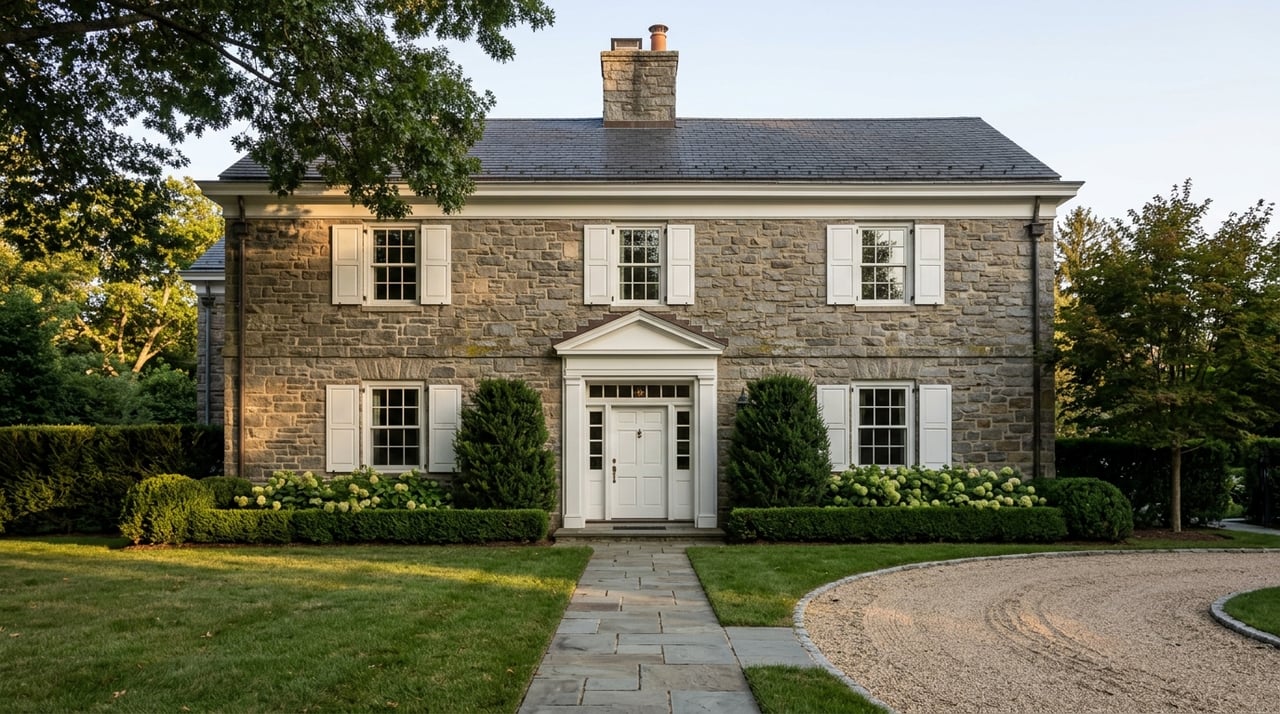
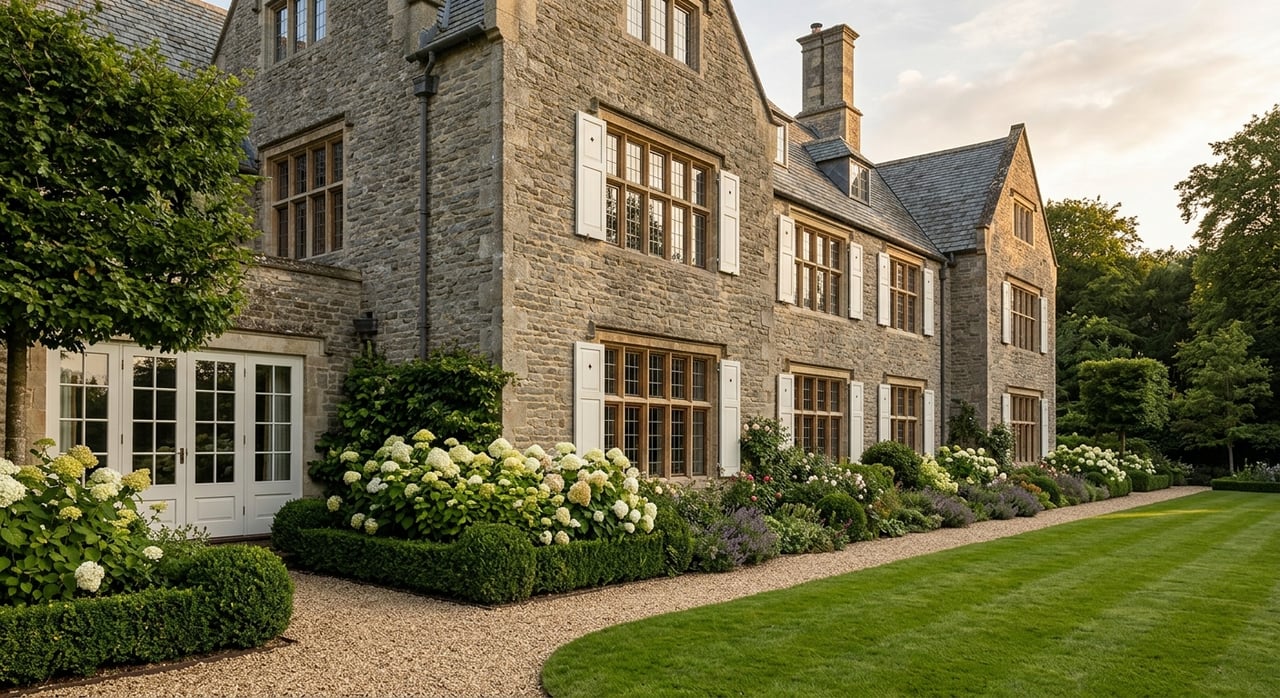
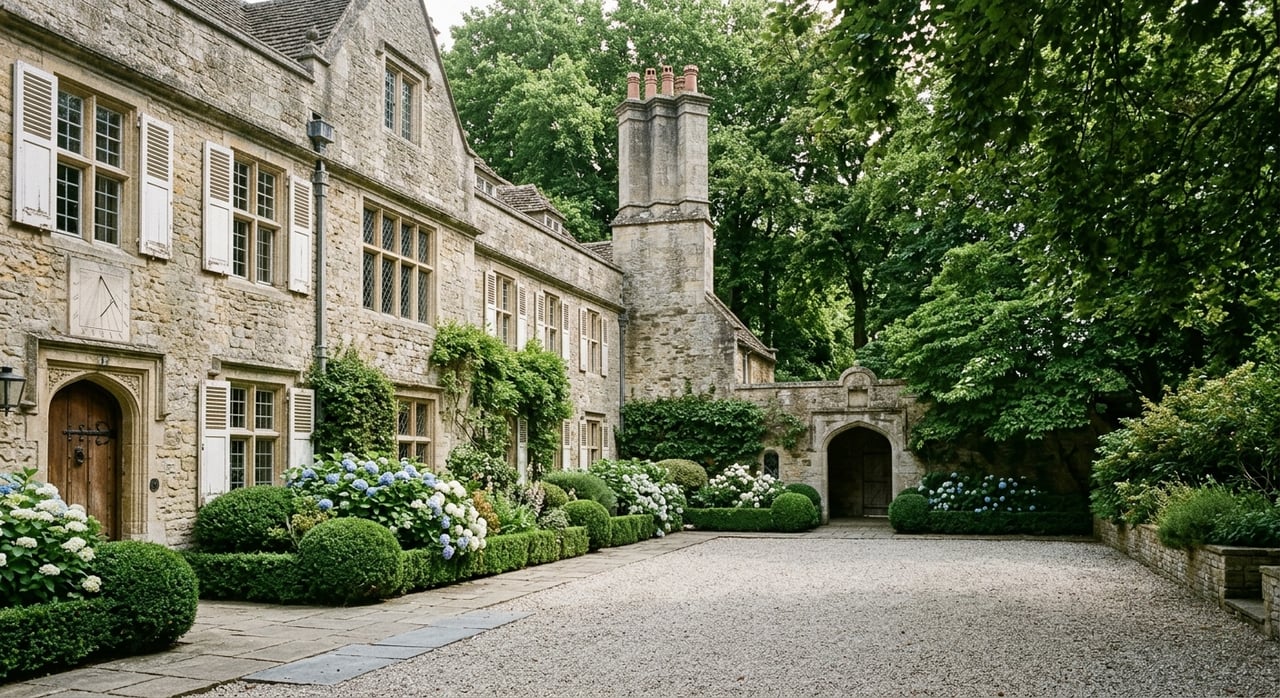
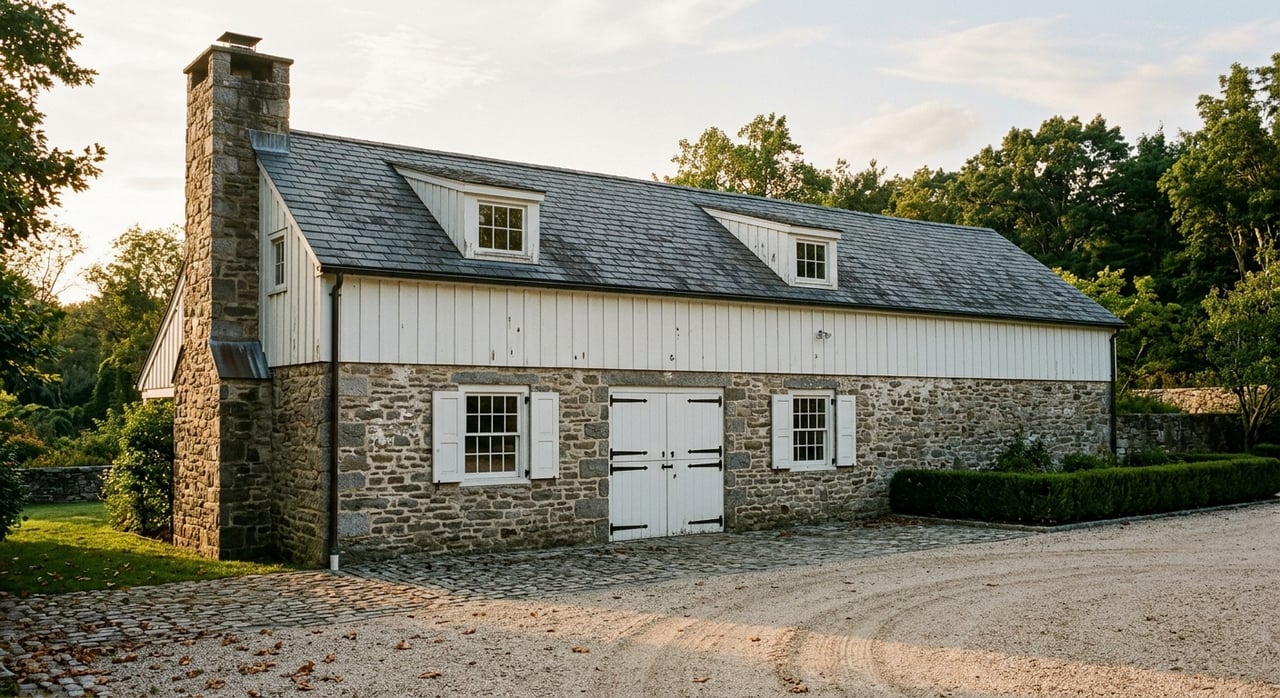
Chestnut Hill’s housing stock is a major reason buyers are drawn to it. The Chestnut Hill Historic District includes a range of architectural styles, including mid-19th-century revival, early republic, and late Victorian. The neighborhood developed into a fashionable 19th-century suburb after the Chestnut Hill Railroad opened, and that history still shows up clearly in the built environment.
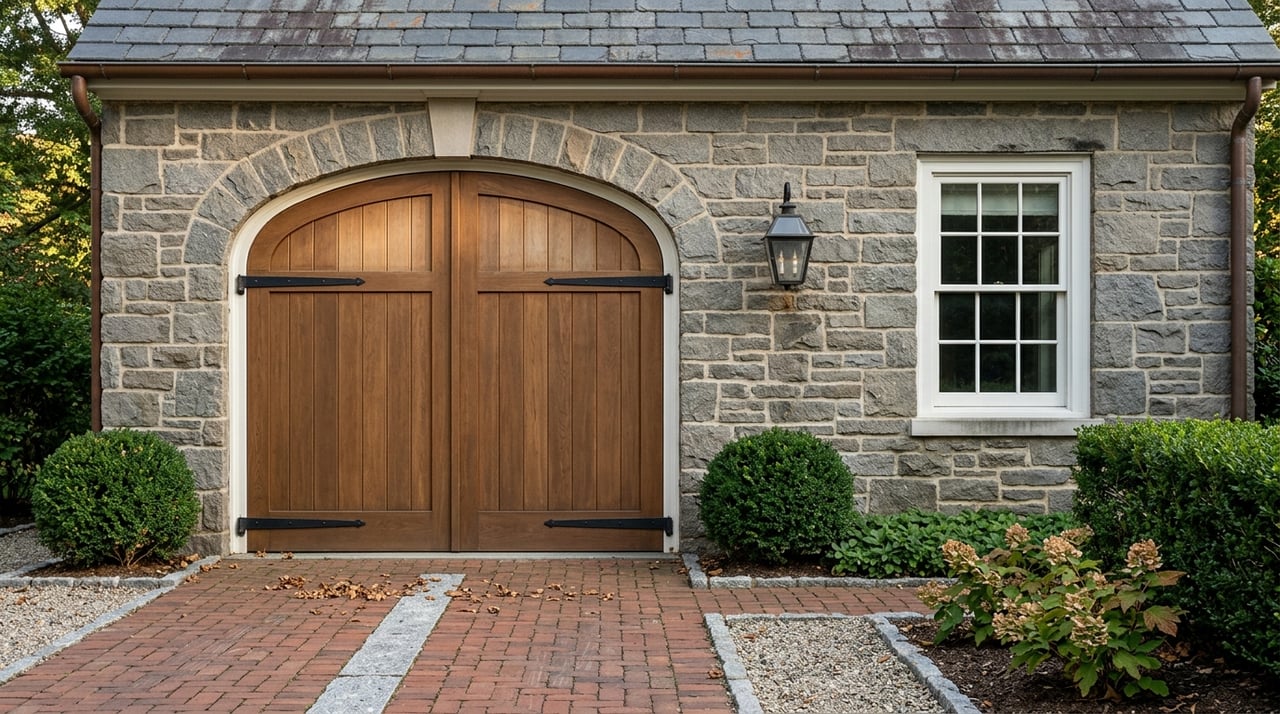
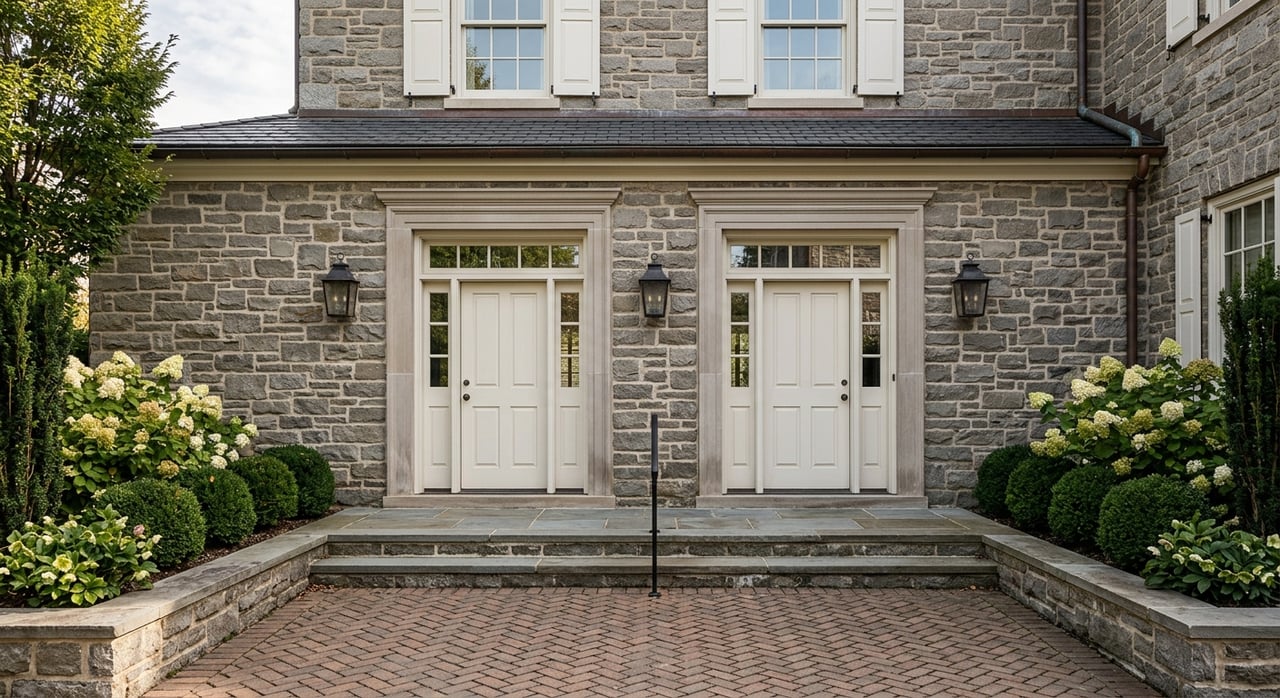
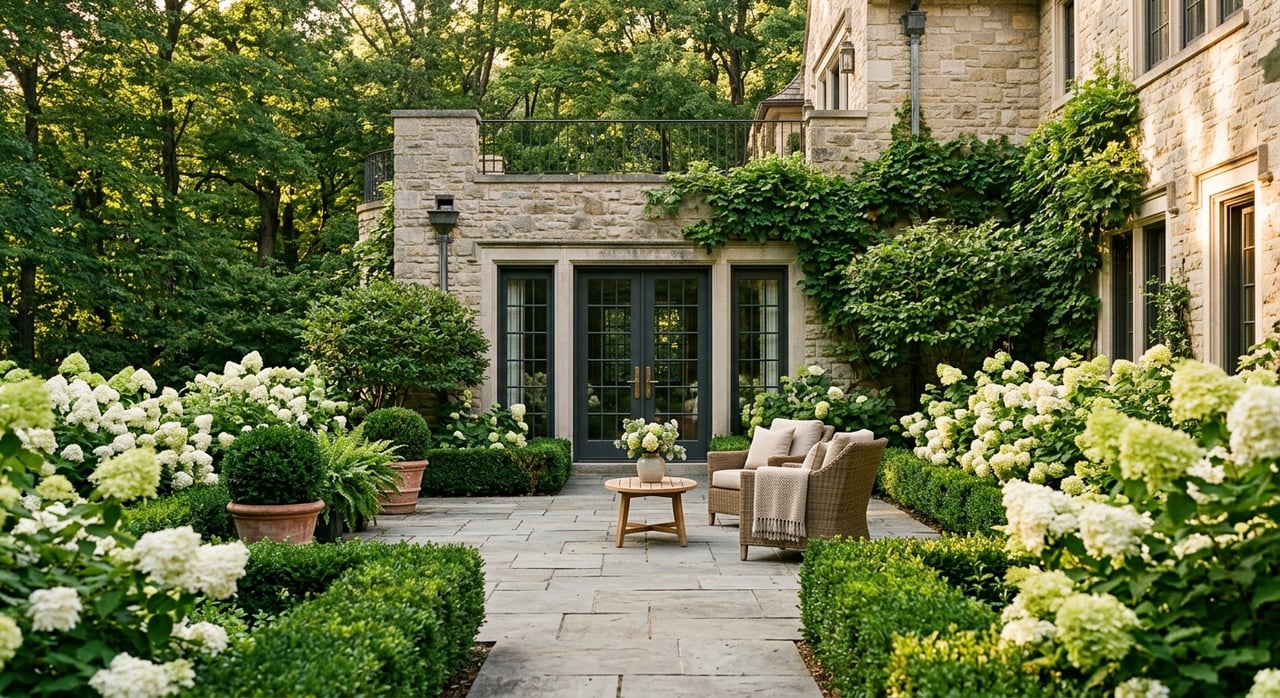
On the ground, that often means stone houses, Victorian-era homes, mature trees, and streetscapes that feel layered instead of uniform. A Philadelphia historic nomination describes the area’s pattern as substantial but not overwhelmingly large houses on relatively small lots, with a strong visual relationship to the street and neighboring homes. In everyday terms, that creates a setting that feels established, connected, and visually rich.
For some buyers, this is exactly the draw. If you value architectural detail, a real sense of place, and a neighborhood center with history, Chestnut Hill can feel very compelling. If you prefer newer construction or a more auto-oriented suburban layout, it may feel less straightforward.
Chestnut Hill often appeals to buyers who want more than square footage alone. It tends to resonate with people looking for a small-town-in-the-city atmosphere, easy access to trails and culture, and a neighborhood with a strong identity. The mix of historic housing, daily walkability, and green space creates a lifestyle that feels intentional.
It can be a strong fit if you are looking for:
It may require a bit more thought if your top priorities are:
In real life, Chestnut Hill often feels measured and visually grounded. You might start the morning with a walk near the Wissahickon, spend part of the afternoon on Germantown Avenue, and end the day at a local restaurant or seasonal event. The neighborhood gives you options without demanding a fast pace.
There is also a sense of continuity here. Historic architecture, mature trees, civic involvement, and recurring public events all contribute to a place that feels cared for and well established. That tends to matter more the longer you live in a neighborhood.
For buyers relocating from the suburbs, Chestnut Hill can offer an easier transition into city living because it preserves so much of that neighborhood-centered feel. For buyers already in Philadelphia, it can feel like a different rhythm entirely. In either case, the experience is less about trends and more about lasting character.
If you are exploring where you might feel most at home in the Philadelphia area, Chestnut Hill is worth seeing in person. The right neighborhood is not just about commute time or house style. It is about how your everyday life will feel once you are there.
If you want help thinking through neighborhoods, home styles, and lifestyle fit across the Philadelphia suburbs and nearby communities, Megan van Arkel offers the thoughtful, tailored guidance that makes a move feel more clear and more manageable.
Stay up to date on the latest real estate trends.
The Megan Van Arkel Team is dedicated to helping you find your dream home and assisting with any selling needs you may have. Contact them today to start your home-searching journey!