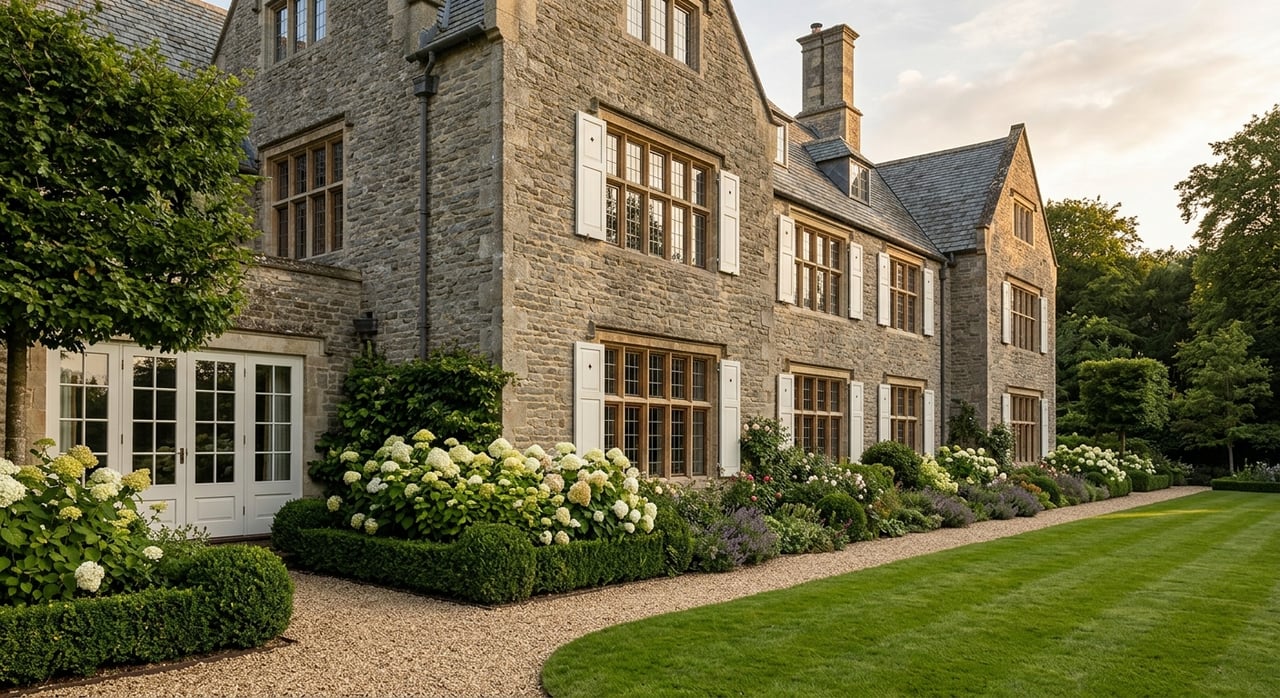
Selling A Chester County Country Estate With Concierge Support
May 14, 2026
May 14, 2026
If you are preparing to sell a Chester County country estate, you are not selling an ordinary house. You are bringing a property with land, privacy, and a distinct lifestyle to a smaller, more selective pool of buyers. That can feel like a lot to manage, especially if you want strong pricing without a long, disruptive prep process. The good news is that with the right concierge support, you can simplify the work, protect your time, and present your estate at its full potential. Let’s dive in.
A country estate in Chester County competes on more than square footage. Buyers at this level often compare setting, outdoor presentation, condition, and how the house and land function together. In a market like 19382, that means your launch needs to feel polished from the start.
The broader Chester County market supports a strong sale environment, but it is still selective. In March 2026, Chester County homes sold for a median $540,670, averaged 36 days on market, and closed at 101.8% of list price. In 19382, an April 2026 market snapshot showed a seller’s market, a median sale price of $590,000, and an average 32 days on market.
That is encouraging, but estate properties still require precision. The buyer pool is narrower than it is for a standard suburban home, so presentation matters more. When buyers are comparing premium homes, small differences in upkeep, landscaping, and marketing can shape how they value the property.
Before a buyer studies room sizes or finishes, they react to the approach to the property. On an estate setting, that starts with the driveway, gates, lawns, trees, fencing, and the first exterior view of the house. If those elements feel tidy, intentional, and well maintained, buyers are more likely to trust the rest of the home.
That is especially true in Chester County, where owner occupancy is high and housing values are strong. The county also has a long-standing focus on open land and farmland preservation, which reinforces how much buyers often value stewardship, privacy, and a property that looks carefully cared for. Your listing should reflect that standard.
For many sellers, the most effective pre-listing work includes:
These are not cosmetic extras. They help buyers picture the home as move-in ready and easier to maintain, which can support stronger interest once the property hits the market.
For many estate sellers, the challenge is not deciding what to improve. It is finding the time, managing vendors, and paying for work before the sale closes. This is where concierge support can make a meaningful difference.
Compass Concierge fronts the cost of qualifying home improvement services with zero due until closing. According to Compass, the program is designed to help sellers move faster and for a higher price. That structure can be especially useful if you want to prepare your property properly without taking on the full upfront burden of the work.
For a Chester County country estate, concierge support can help you tackle the improvements buyers notice most. Covered services may include landscaping, painting, fencing, roofing repair, flooring, deep cleaning, decluttering, staging, HVAC work, kitchen and bath improvements, and even pool or tennis court services. Instead of trying to manage a long to-do list alone, you can move through a coordinated prep plan with less stress.
Not every project deserves your time or money before listing. The best strategy is usually to start with the upgrades that improve first impressions, photography, and buyer confidence. In estate sales, visible improvements often outperform complicated renovations.
Staging research supports that approach. NAR defines staging as cleaning, decluttering, repairing, depersonalizing, and updating the home so buyers can picture themselves living there. The same research found that about 80% of buyer’s agents said staging helps clients visualize a home, and about one-third said staging can increase perceived value by 1% to 10%.
For most country estates, the highest-impact sequence looks like this:
This type of prep creates a smoother path to market. It also helps you avoid overspending on projects that may not materially improve how buyers respond.
With Chester County estate properties, the land itself may come with important rules. Before making major land-altering changes, it is wise to verify whether your property is tied to any preservation program, conservation easement, or special tax status.
That step matters because some restrictions stay with the land and bind future owners. Chester County notes that agricultural conservation easements run with the land, and Act 319 rules can trigger rollback taxes if land use changes or if a property is subdivided in ways that do not comply with the program. If your estate includes open acreage, agricultural elements, or preserved land, these details should be reviewed early.
This is one of the clearest reasons to use a thoughtful pre-listing plan. You want improvements that elevate presentation without creating issues tied to deed restrictions or tax treatment.
One of the biggest mistakes in luxury and estate sales is going live before the property is fully ready. Early listing days carry weight, and buyers often form a lasting opinion based on the first photos and first online impression.
Compass offers a useful structure here. Sellers can begin with a Private Exclusive or Coming Soon launch before the home goes fully public on the MLS and third-party sites. That can create breathing room while improvements are finished and help you avoid exposing the property too broadly before it shows its best.
Compass also reports that, in its 2024 internal analysis, pre-marketed Compass listings averaged a 2.9% higher final close price than listings that went straight to the MLS. Results vary, of course, but the broader takeaway is practical: a measured rollout can support a stronger public debut.
Buyers shopping for a Chester County country estate are not only evaluating a house. They are evaluating the full experience of the property. Your marketing should help them understand how the home, land, outbuildings, and outdoor living areas work together.
That matters because the online listing is often where the sale begins. NAR reports that 52% of buyers found the home they purchased online, and nearly half started their search online. NAR also found that 81% of buyers rated listing photos as the most useful online feature.
For estate properties, strong digital marketing typically includes:
When all of those pieces are aligned, buyers can quickly understand what makes the property special. That often leads to better-quality inquiries and more productive showings.
The digital launch should do the heavy lifting. Buyers often see the property online before they ever schedule a visit, so your photos, floor plans, and video need to carry the story clearly and confidently.
That said, print can still play a supporting role. For high-end listings, professionally produced brochures and announcement pieces can reinforce the brand and give interested buyers something tangible to review after a showing. The key is balance: print should support a polished launch, not replace it.
Many estate owners want excellent results, but they do not want to oversee every detail themselves. A concierge-supported process is especially appealing if you are downsizing, relocating, managing multiple properties, or simply trying to keep life manageable during the sale.
A more streamlined estate sale often follows this pattern:
| Phase | What happens | Why it matters |
|---|---|---|
| Planning | Review the property, identify high-impact updates, and confirm any land-related restrictions | Helps you focus on the right work from the start |
| Preparation | Complete visible repairs, cleaning, landscaping, and staging with concierge support | Improves first impressions and reduces seller stress |
| Pre-marketing | Launch as Private Exclusive or Coming Soon while final details are completed | Protects the public debut and builds early interest |
| Public launch | Go live with strong visuals, floor plans, and a cohesive property story | Maximizes early engagement when attention is highest |
| Showings and offers | Guide qualified interest through a measured process | Supports better buyer fit and stronger negotiation |
This is where boutique representation can be especially valuable. With a smaller, high-touch team, you can expect more direct involvement, more thoughtful communication, and a plan built around your property rather than a one-size-fits-all listing formula.
The 19382 market benefits from strong demand, but estate-scale homes still require a custom approach. Buyers in this segment tend to compare condition, setting, and presentation carefully. They are often willing to pay for quality, but they expect the listing to justify the price through both substance and presentation.
That is why concierge support is so effective when paired with local expertise. The right plan is not just about spending money before listing. It is about knowing which improvements matter in this market, how to present the property with discretion, and when to launch for the strongest response.
If you are considering selling a Chester County country estate, a calm and well-managed prep process can make the entire experience feel easier. With the right support, you can improve how the property shows, reduce friction before listing, and enter the market with confidence.
When you are ready for a tailored strategy, connect with Megan van Arkel for a polished, high-touch approach to preparing and marketing your Chester County property.
Stay up to date on the latest real estate trends.


The Megan Van Arkel Team is dedicated to helping you find your dream home and assisting with any selling needs you may have. Contact them today to start your home-searching journey!