In Chestnut Hill, the Twin Home Is Quietly Outrunning the Mansion
October 1, 2026
October 1, 2026
"I'm seeing more inventory in Chestnut Hill than I have in a long time, which is giving buyers a little bit of power."
That line came from an agent working the Northwest Philadelphia market, quoted in a Philadelphia Inquirer report on the region's housing conditions published in July 2026. It describes a market that looks, at first glance, like it's cooling everywhere at once. It isn't. The cooling is concentrated in one segment, and it happens to be the segment most buyers assume is the strongest: the detached single-family estate.
Chestnut Hill closed 11 sales in July 2026 at a median price of $1,250,000, its busiest closing month since the previous December and a distinctly luxury-heavy mix. If that's the number you saw on a portal search, it tells you almost nothing about what you'll actually pay. Because closings that month were so few and so top-heavy, the more useful figure is the active listing picture: 32 homes on the market at the end of July with a median list price of $862,000. Those two numbers, one closed and luxury-skewed, one active and broader, sit almost $400,000 apart. A buyer who anchors on the closed median is pricing themselves for a different market than the one they're about to compete in.
The Philadelphia metro's T3 Home Demand Index, tracked monthly through Bright MLS data, held at 80 in July 2026, unchanged from June and still in what the index classifies as the Slow tier. That headline figure sits eight points below the July 2025 reading of 88, which on its own reads like a broad, even slowdown. It isn't broad, and it isn't even.
Underneath that flat metro number, the segments diverge sharply. Both condo tiers pushed deeper into Steady territory, registering 100 and 101. Townhouses firmed to 86. Single-family demand slipped at all three price tiers, and the luxury single-family tier took the hardest hit of any segment tracked, falling nine points to 72.
That's the detail worth sitting with. The property type most closely associated with Chestnut Hill's identity, the stone Victorian on a generous lot, is the one segment where buyer demand is retreating fastest. Meanwhile the attached and semi-attached stock, twins and townhouses, is holding or gaining ground.
Some of this is simple supply. Chestnut Hill's active inventory grew from 9 homes in January 2026 to 35 by the end of June, nearly quadrupling in six months. New listings followed the same curve: 27 came to market in the third quarter of 2025, and 63 came to market in the second quarter of 2026, more than double. Owners who had been sitting on 3 percent mortgages are still reluctant to trade up into a rate environment where 30-year fixed loans have held near 6.5 percent, per Freddie Mac's late-June 2026 survey, but enough of them are moving anyway, for the reasons people always move: growing families, job changes, estate settlements.
More listings should, in theory, cool demand evenly across the board. It didn't happen that way here. Across the broader five-zip-code Northwest Philadelphia market that includes Chestnut Hill, half of the homes that closed in the second quarter of 2026 went under contract within 8 days of listing, even as monthly averages elsewhere in the cycle ran far higher. In Chestnut Hill specifically, July's closings averaged 13 days on market. The homes drawing that speed weren't randomly distributed across price tiers. They were concentrated in the segments where the demand index says buyers are still active: condos and townhomes, plus twins that behave like townhomes in the data even when they don't in the neighborhood's self-image.
A single-family estate priced correctly can still move. But the buyer pool competing for it has genuinely thinned, by nine index points in a single month, the largest move among Chestnut Hill's own market segments that period. A twin priced correctly is landing in front of a buyer pool that hasn't thinned at all.
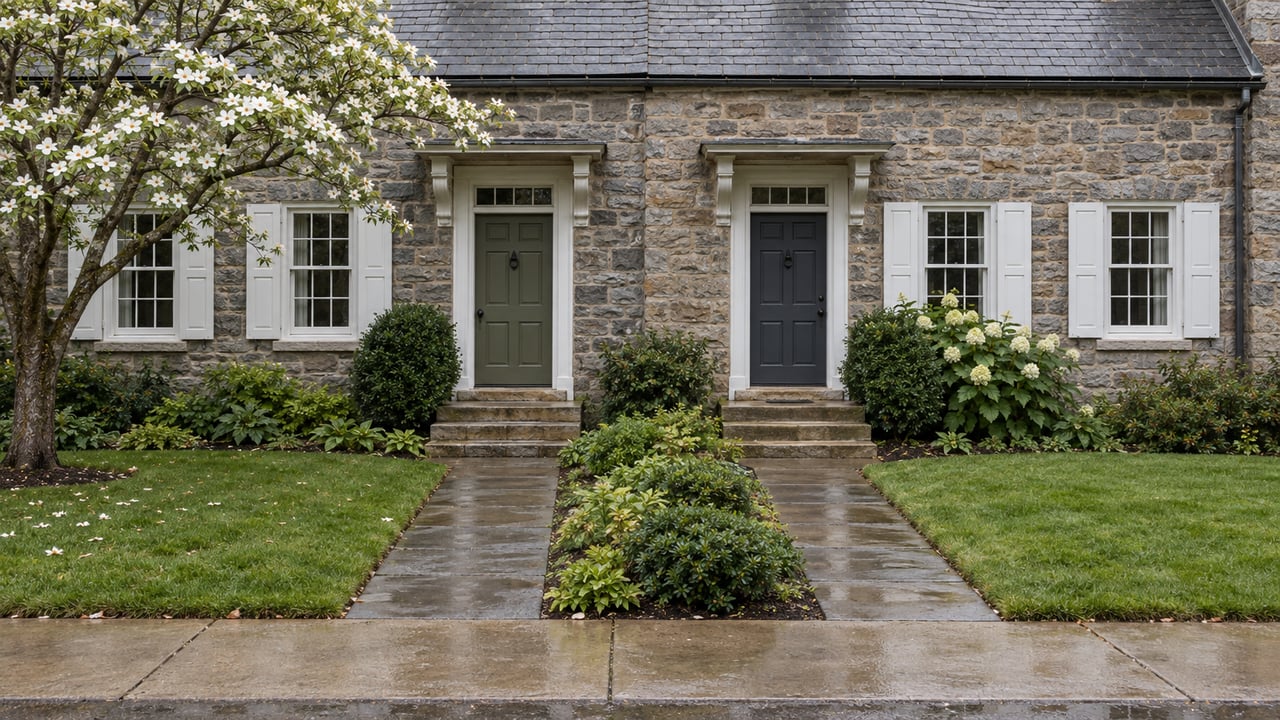
Part of why this split makes sense in Chestnut Hill specifically, and might not in a neighborhood without the same building history, is that the twin was never treated as a lesser housing type here. The developer George Woodward, working with architects including H. Louis Duhring, built entire blocks of twin housing west of Germantown Avenue in the early 20th century, and in several cases took the form further: what's documented in the neighborhood's National Register historic district nomination as the "quadruple house," two twin houses placed back to back on lots along Benezet Street and East Springfield Avenue, designed specifically to eliminate the awkward shared backyard problem and give each unit usable space on the remaining sides. Architects with national reputations, including Horace Trumbauer, also designed twin housing in the neighborhood's eastern sections along streets like Ardleigh.
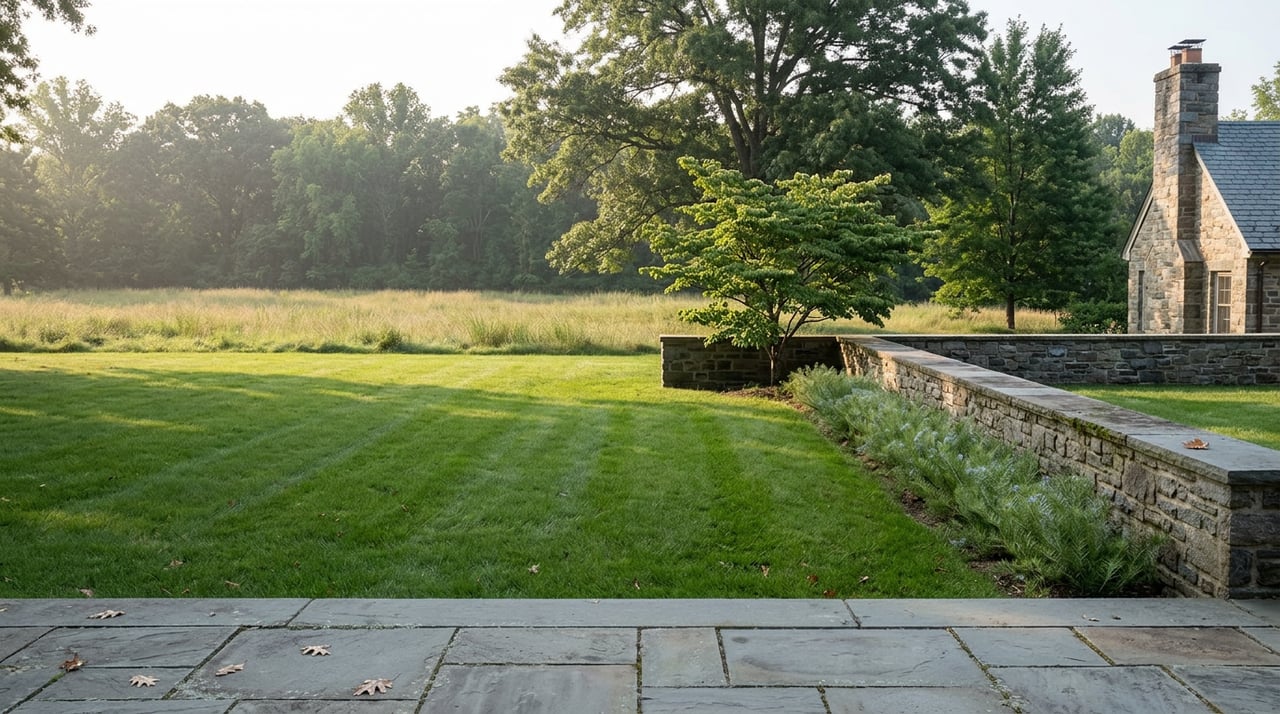
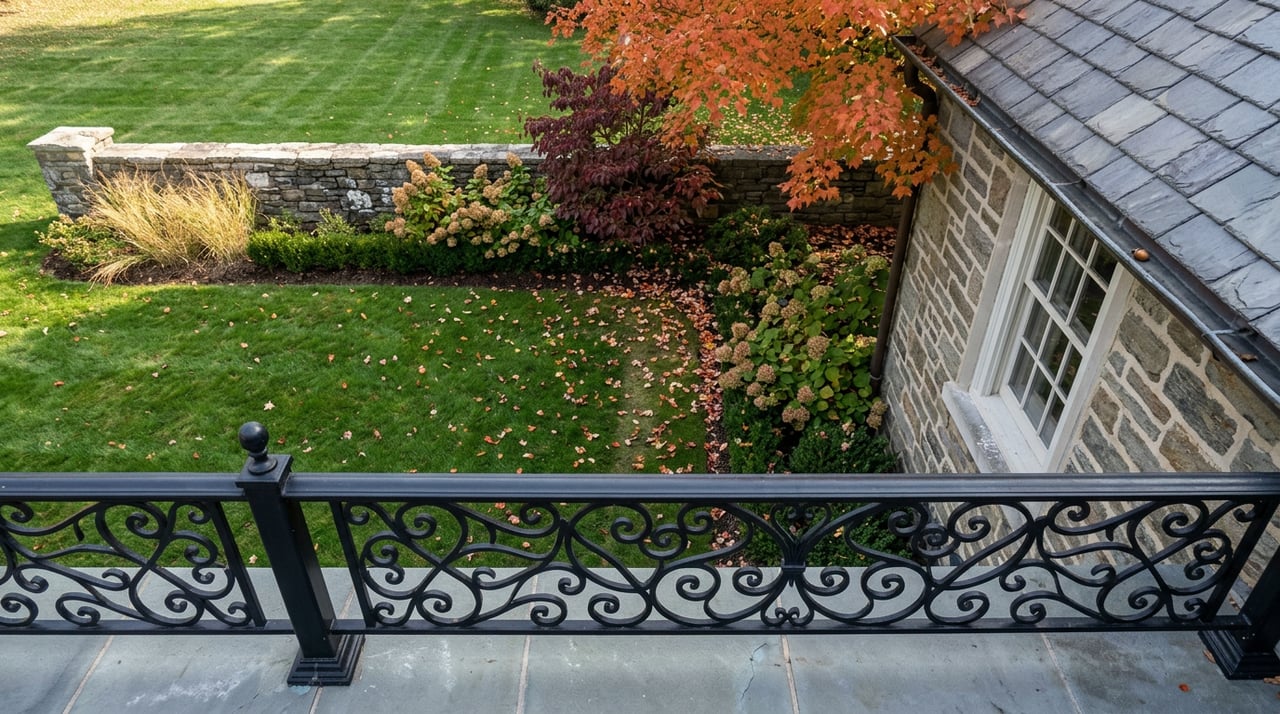
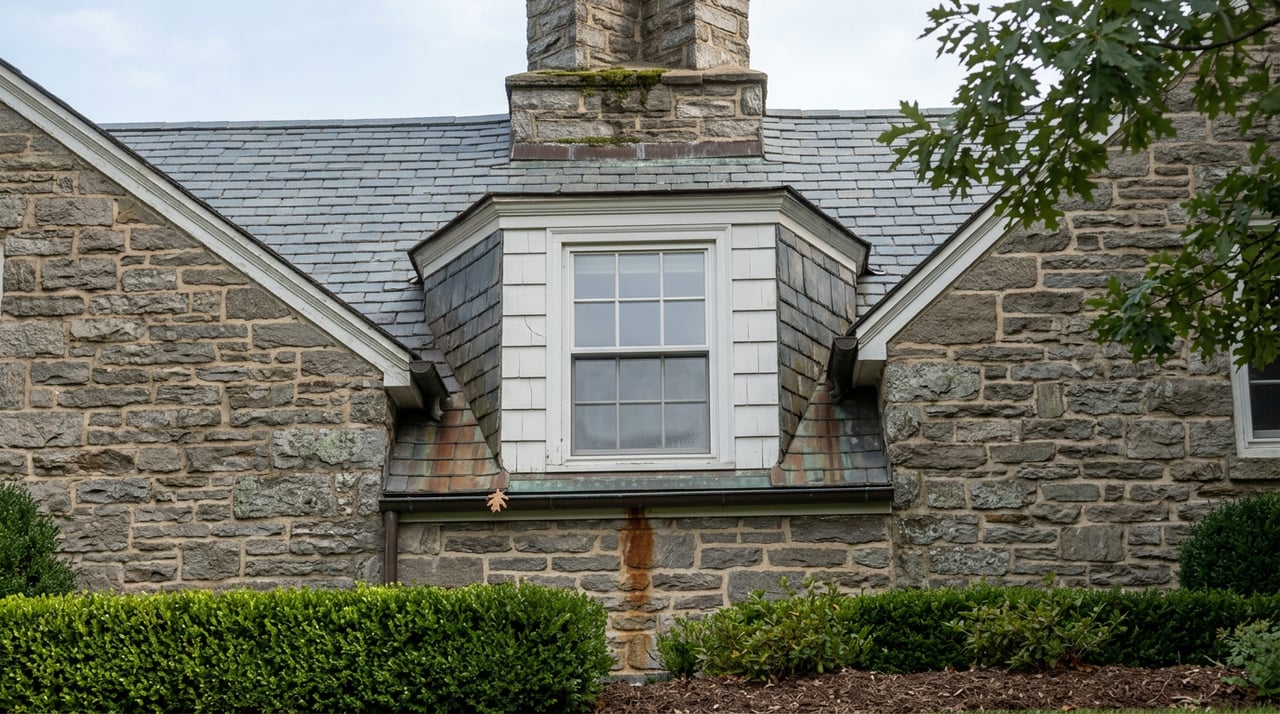
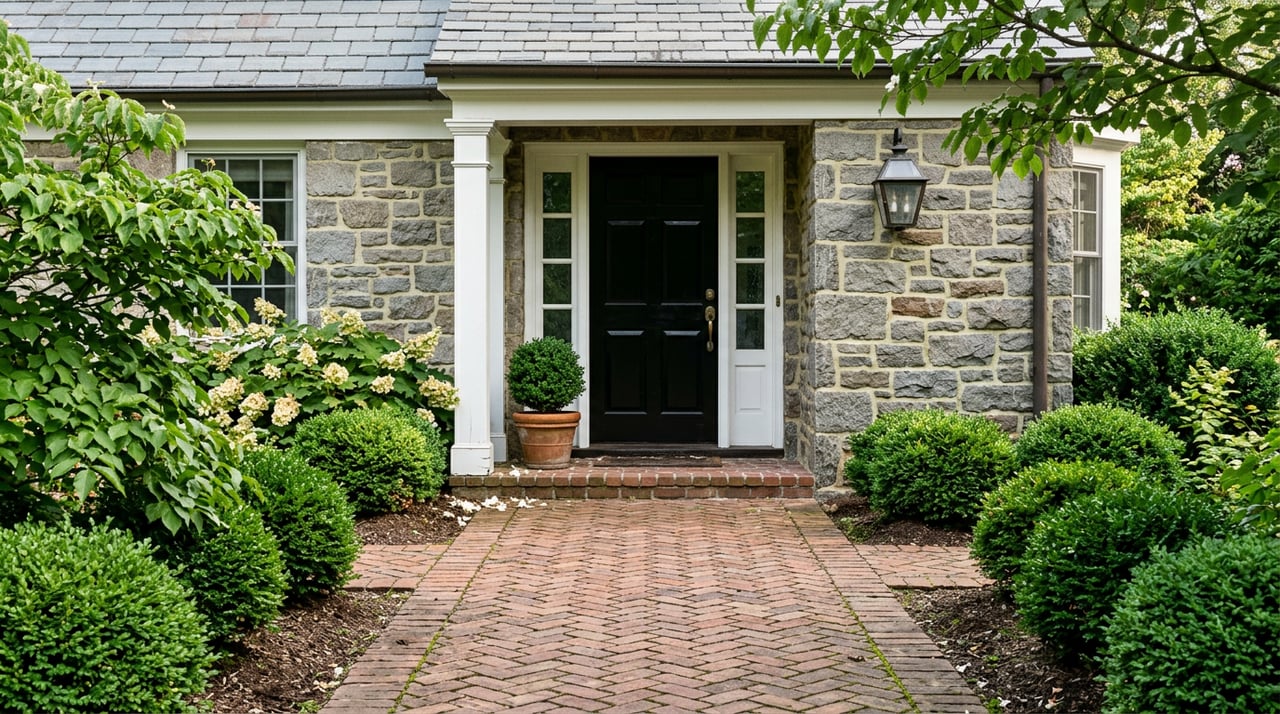
That history means a Chestnut Hill twin isn't a scaled-down single-family in the way a twin might read in a newer suburban subdivision. It's a housing form the neighborhood's most prominent architects designed on purpose, with the same stone, the same slate, and often the same room proportions as the detached houses two blocks away. Buyer demand holding steady in that segment isn't buyers settling. It's buyers recognizing that the form was built to compete with the single-family stock from the start.
There's a financing detail worth confirming before an offer goes in, because it changes how the appraisal gets built. A twin is legally a semi-detached house, typically recorded as a single deed with one legal unit, and lenders generally underwrite it as single-family rather than as a two-unit property. Appraisers then pull local comparable sales, and in Chestnut Hill specifically, twins in strong locations can appraise closer to detached-home comps than a buyer might expect walking in.
Before writing an offer on a Chestnut Hill twin, it's worth confirming a short list of items directly:
None of these are exotic requirements. They're the same due diligence any Main Line or Chester County buyer would run on a detached home, adjusted for the fact that a twin has a neighbor on the other side of one wall instead of open air.
The practical takeaway isn't that the estate market has stopped working. Correctly priced single-family homes are still closing, and the neighborhood's overall inventory shortage means well-prepared listings in any segment tend to move faster than the averages suggest. The takeaway is narrower and more useful: a budget that puts a buyer at the entry point of Chestnut Hill's single-family luxury tier, where demand fell the most of any segment tracked in July 2026, is not automatically a budget that buys less competition. That same budget, aimed at a well-located twin, lands in a segment where demand held Steady, which means the offer process may look more like a multiple-offer situation than the estate search did.
For a downsizer or a relocating buyer weighing the two, the decision isn't which form has more square footage. It's which segment's demand curve you actually want to be competing against.
Does a twin home appraise for less than a detached single-family in Chestnut Hill? Not automatically. Appraisers work from local comparable sales, and in strong Chestnut Hill locations, twins can appraise close to detached-home comps because lenders typically underwrite a single-deed twin as single-family property.
Is now a better time to buy a single-family estate or a twin in Chestnut Hill? The data doesn't say one is a better buy across the board. It says buyer demand for luxury single-family homes fell further in July 2026 than any other segment tracked, while demand for twins and townhomes held steady, which changes the negotiating conditions in each tier.
If you're weighing a Chestnut Hill twin against a single-family estate and want a read on which segment fits your timeline and budget, the Megan Van Arkel Team can walk through the current inventory in both categories and what each is actually drawing in offers right now.
Stay up to date on the latest real estate trends.
The Megan Van Arkel Team is dedicated to helping you find your dream home and assisting with any selling needs you may have. Contact them today to start your home-searching journey!